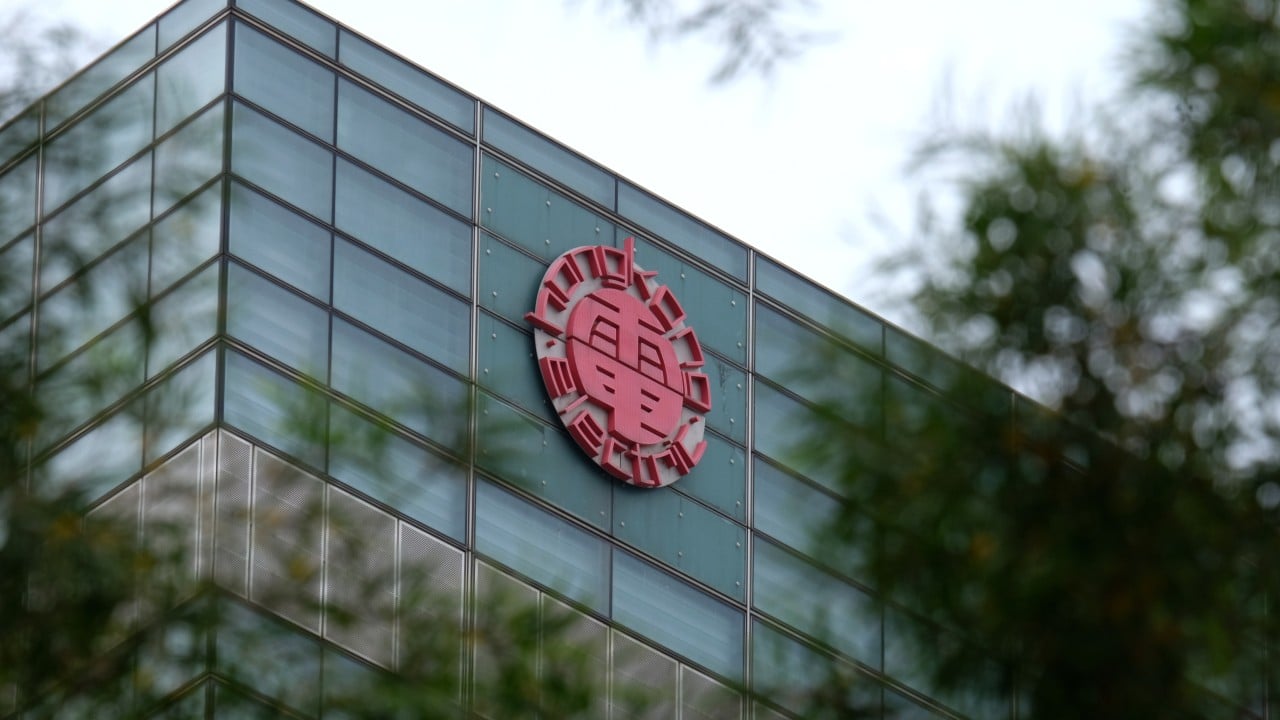
HK Electric is handing you a handful of crumbs while the bakery is on fire. The news that May fuel charges will see a minor dip is being framed as a reprieve for the Hong Kong consumer. It isn't. It is a mathematical distraction.
The media loves a "price cut" headline because it generates passive clicks from relieved residents. But if you look at the structural mechanics of how the Fuel Clause Charge (FCC) operates under the Scheme of Control Agreement (SCA), you realize that a monthly fluctuation is noise. The signal is a decade of upward pressure that no temporary adjustment can fix. We are obsessed with the microscopic movements of the fuel cost while ignoring the macroscopic failure of our energy transition strategy.
The Fuel Clause Mirage
Let’s talk about the FCC. Most people think of it as a transparent pass-through of market prices. It’s actually a lagging indicator designed to smooth out volatility for the utility’s balance sheet, not your wallet. When HK Electric "cuts" the charge in May, they are simply reflecting a downward trend in global liquified natural gas (LNG) prices from months ago.
The trap lies in the "warning" of future increases. By highlighting a temporary drop, the utility softens the blow for the inevitable capital expenditure (CAPEX) hikes. Under the SCA, the power companies are guaranteed a return on their fixed assets. Currently, that rate of return sits at 8%.
Think about that.
In a world of volatile markets, HK Electric has a government-sanctioned, guaranteed profit margin on every turbine, pipe, and cable they install. They don't make more money by selling you more electricity; they make more money by spending more money on infrastructure. A fuel price dip is a PR win that masks the fact that your base rate—the part tied to their massive construction projects—is the real predator.
The Natural Gas Fallacy
The industry "consensus" is that shifting from coal to gas is the ultimate win for Hong Kong. It’s cleaner, they say. It’s the bridge to a green future.
It is also a geopolitical noose.
Coal was dirty, but it was cheap and easy to stockpile. Natural gas is a high-maintenance diva. It requires specialized receiving terminals and is subject to the whims of global supply chains that can be snapped by a conflict in Eastern Europe or a blockage in the South China Sea. When we transition the grid to be 50% or 60% dependent on gas, we aren't just buying "cleaner" energy. We are buying into a system with a much higher floor for pricing.
I have sat in boardrooms where "energy security" is used as a buzzword to justify billions in new gas infrastructure. But true security isn't found in switching one imported fossil fuel for a more expensive, more volatile one. It’s found in diversification. By doubling down on gas, HK Electric is ensuring that the "sharp future increases" they warn about are baked into the system. You are paying for the privilege of being vulnerable.
Why Your "Energy Saving" Efforts are Meaningless
You’ve been told to turn off the lights. You’ve been told to set your AC to 25.5°C. You are being gaslit.
Residential consumption is a fraction of the total load, yet the messaging always targets the individual. The real energy hogs are the glass-wrapped skyscrapers that dominate the skyline, many of which operate with cooling systems designed in the 1990s.
If we wanted to actually lower bills, we wouldn't focus on the fuel charge. We would focus on the Load Factor.
Imagine a scenario where the city’s peak demand only happens for two hours a day, but the utility has to build enough power plants to meet that peak. You are paying for the "readiness" of those plants 24/7. This is the "Goldplating" effect. The more capacity HK Electric builds to handle the hottest day in July, the more they can charge you every single day of the year to cover the depreciation and that 8% guaranteed return.
The "People Also Ask" sections on search engines are filled with queries like "How can I lower my electric bill in Hong Kong?" The honest, brutal answer? You can't—not significantly—because you are paying for the concrete and steel of the Lamma Power Station, regardless of whether you use the power or not.
The Decarbonization Tax
We need to stop calling it "Green Energy" and start calling it what it is: a massive wealth transfer from the middle class to utility shareholders.
Decarbonization is necessary, but the way it is being financed in Hong Kong is regressive. We are using a 20th-century regulatory framework to solve 21st-century environmental problems. The SCA was designed to encourage electrification in a developing city. It was not designed to manage a complex transition to renewables and hydrogen.
When HK Electric warns of future increases, they are talking about the bill for the new Offshore LNG Terminal. They are talking about the costs of exploring hydrogen blending. They are talking about smart meters that cost hundreds of millions to install.
The irony? These "innovations" often lead to higher costs for the consumer because they count as "recognized assets." Every time a utility company "goes green," their asset base grows, and your bill follows.
The Zero-Sum Game of Regional Cooperation
There is a whispered solution that nobody in the local utility offices wants to shout: Import more power from the Mainland.
China Southern Power Grid has a massive surplus of nuclear and hydroelectric power. If Hong Kong truly wanted to lower costs and decarbonize, we would build more cross-border interconnectors. But why would HK Electric want that?
Importing power means they don't have to build new plants. If they don't build new plants, their asset base doesn't grow. If their asset base doesn't grow, their profits stagnate.
The "future increase" isn't a threat; it’s a promise of their business model working exactly as intended. They warn you about it so you don't revolt when the bill arrives, framing it as an external "fuel" issue when it is actually an internal "capital" issue.
Stop Watching the Fuel Charge
If you want to understand where your money is going, ignore the fuel clause adjustment in May. It’s a rounding error. Look at the capital expenditure plans submitted to the government. Look at the "Development Plans" that outline how many billions will be spent on new gas units.
We are currently trapped in a cycle where:
- The utility builds more infrastructure to "guarantee" reliability.
- The government approves it because they fear a blackout more than a high bill.
- The consumer pays for the asset via the base tariff.
- The utility uses fuel price volatility as a smoke screen for the rising base cost.
The standard advice is to "wait for prices to stabilize." Prices will never stabilize. The energy market is being redesigned to be permanently more expensive under the guise of "transition."
The only way to win this game is to stop playing by their rules. We need a complete overhaul of the SCA that rewards utilities for efficiency and cost-reduction, rather than rewarding them for how much they can spend on hardware. Until the guaranteed return is decoupled from capital expenditure, every "price cut" is just a teaser rate before the real hike hits.
Stop thanking them for the May reduction. Demand to know why the base rate is untouchable.
The fuel charge is a flick of the wrist. The base tariff is the knife to the throat.