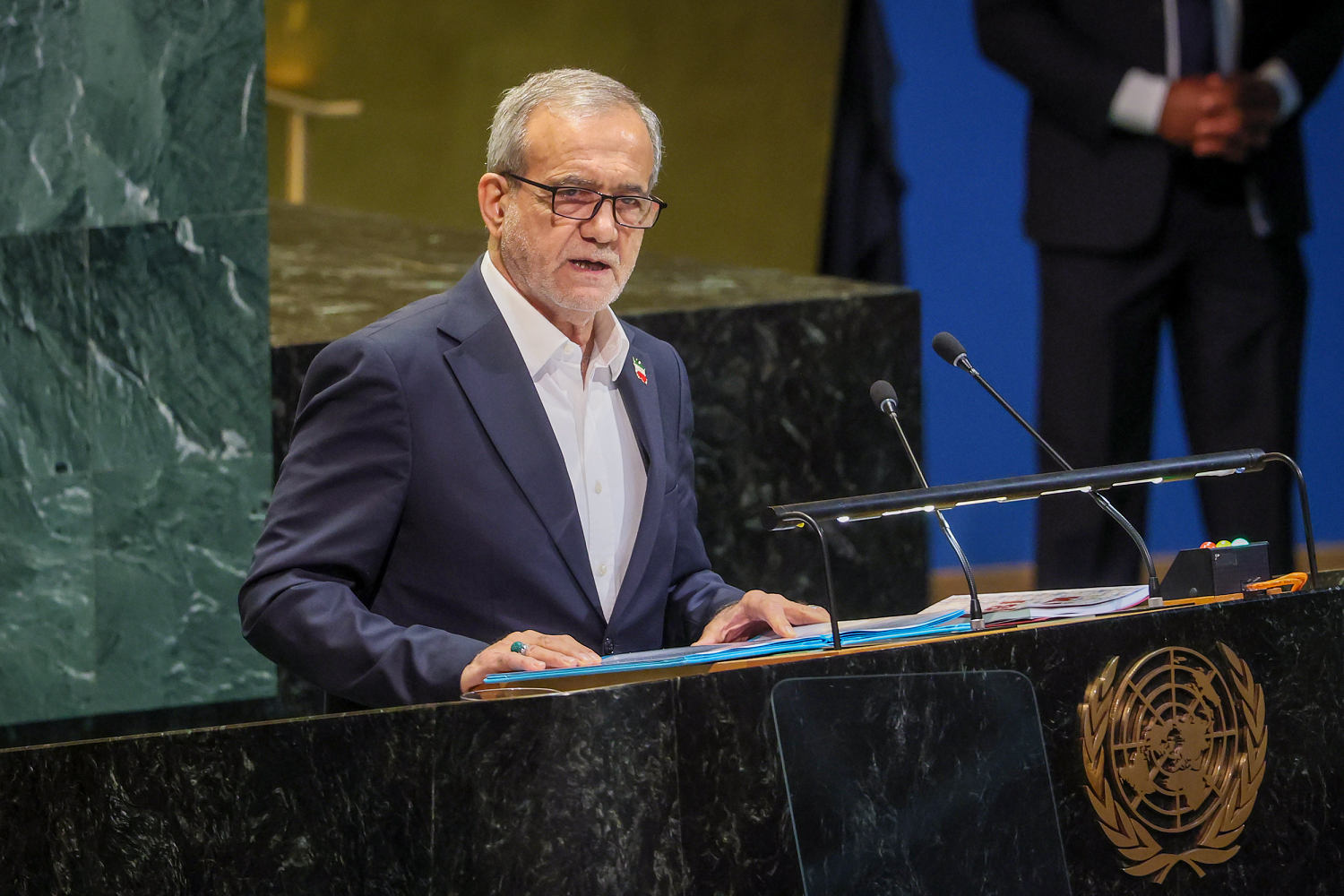
Every time a foreign official lands in New York for the United Nations General Assembly, Washington witnesses a predictable outbreak of political pearl-clutching. Pundits scream about protocol, critics wave bloody shirts, and politicians posture for domestic cameras by demanding travel bans. The lazy consensus says that barring adversaries from American soil punishes bad behavior and projects moral strength.
It is actually the exact opposite. Shutting the door is an admission of weakness disguised as moral resolve. Meanwhile, you can find other events here: The Ghost in the Schoolroom Where the Past Never Dies.
When administrations debate whether to grant diplomatic transit visas to leaders from hostile nations, they treat international diplomacy like a high school cafeteria. If we do not like you, you do not get an invitation. But the United Nations headquarters sits on internationalized territory in Manhattan precisely because diplomacy is not a reward for good behavior. It is a pressure valve for nations that despise each other.
The standard critique focuses on the optics of hosting adversarial figures. Critics argue that allowing sanctioned officials to walk city streets insults victims of foreign regimes. That emotional argument ignores the fundamental mechanics of statecraft. Isolation does not weaken foreign adversaries; it insulates them. When a regime leader stays home, local state media controls the entire narrative, framing American exclusion as proof of cowardice and imperialist panic. To see the bigger picture, check out the excellent analysis by Associated Press.
Drag those same figures into a room where global journalists, hostile delegates, and international monitors can corner them, and the dynamic flips entirely. In New York, foreign ministers cannot hide behind edited state broadcasts. They face tough questions in press rooms, private diplomatic pressure in side meetings, and the glaring reality of an international community that rejects their isolationism.
Look at the history of diplomatic engagement during intense geopolitical friction. Direct lines of communication prevent miscalculation. During the height of the Cold War, American and Soviet officials engaged in continuous backchannel talks, often right in the belly of the beast. They did not do it because they liked each other. They did it because absolute radio silence is how minor border skirmishes escalate into global catastrophes.
Denying visas creates a dangerous feedback loop. Once a government starts weaponizing host-country obligations for short-term political points, reciprocal retaliation becomes inevitable. Other nations host international bodies or control strategic transit corridors, too. Normalizing visa bans as a political tool invites a fractured global system where international forums become exclusive echo chambers rather than arenas for hard negotiation.
The tougher path requires looking past the cheap political wins of border posturing. True statecraft means staring your opponent in the eye across a negotiating table, not slamming a door from three thousand miles away and calling it a victory.
Diplomacy is for enemies. If you only talk to your friends, you do not need diplomats at all.