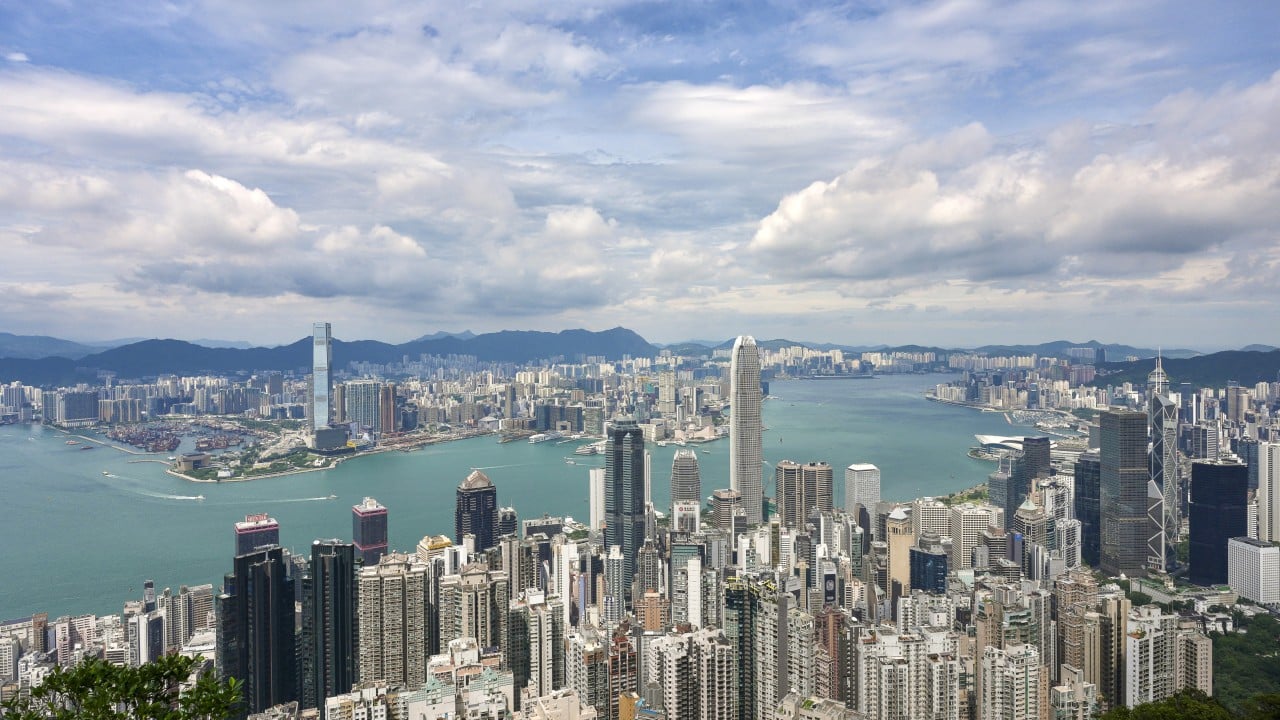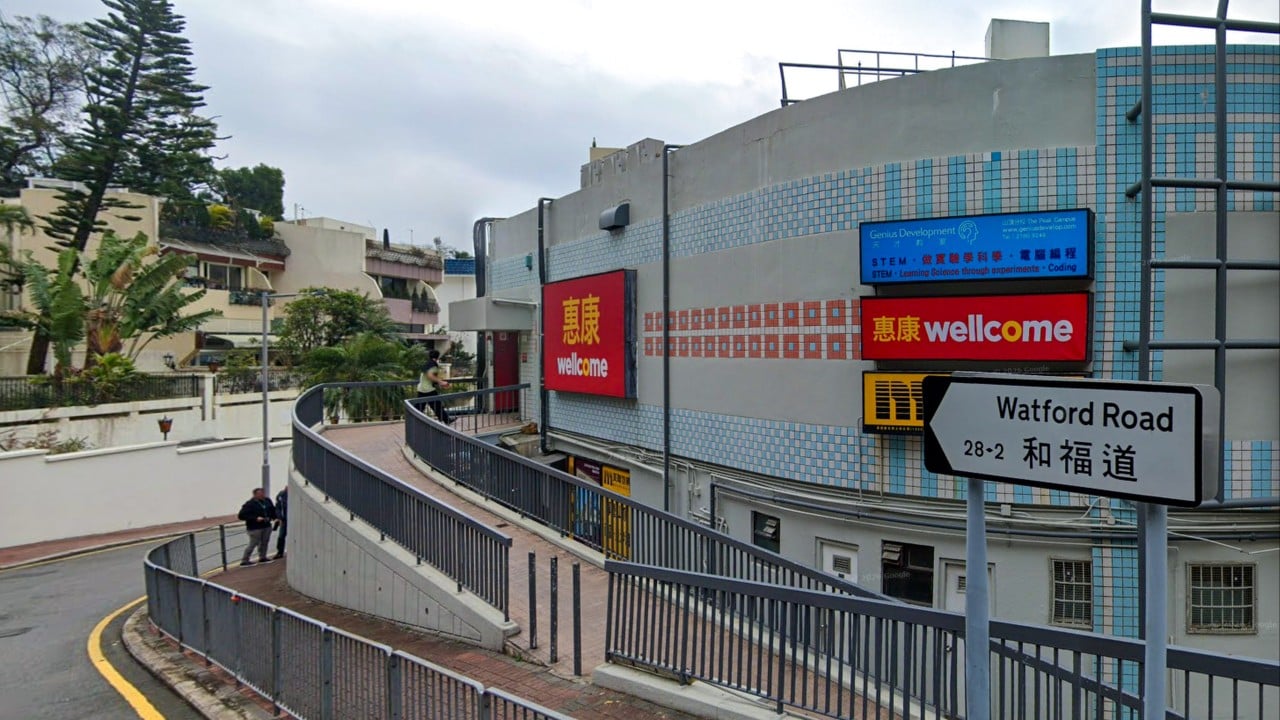
Capital flight leaves a distinct mark when it touches the jagged ridgelines of Victoria Peak. DFI Retail Group is currently steering a quiet exit from one of its most exclusive property holdings, offering up a fully leased shopping center perched high above Hong Kong. For anyone tracking the slow bleed of commercial valuations across the territory, this move signals more than a simple corporate portfolio trim. It is a calculated retreat from a market burdened by high interest rates, subdued luxury retail performance, and a fundamental shift in how capital views prime Asian retail assets.
The asset in question is a neighborhood retail hub serving some of the wealthiest zip codes in the world. Yet, exclusivity has failed to insulate the property from broader macroeconomic gravity. DFI Retail operates under the umbrella of Jardine Matheson, a conglomerate that knows when to cut losses and protect liquidity. Selling a stabilized, income-generating asset in a trophy location while interest rates remain elevated tells a clear story. Yield expectations have shifted, and holding onto expensive square footage in a sluggish domestic economy no longer serves the parent company's balance sheet.
The Mechanics of the Peak Market
Real estate on Victoria Peak operates under entirely different rules than the rest of Hong Kong. Supply is strictly finite. You cannot pave another ridge or carve another plateau out of the granite hillside. Because of this artificial scarcity, capitalization rates have historically hovered at levels that would terrify property investors in London or New York. Buyers accepted razor-thin yields simply because owning land on the Peak was a statement of permanence and prestige.
That calculus broke down.
When global borrowing costs surged over the past few years, the math governing prime retail real estate fractured. A property yielding two or three percent suddenly looked deeply uncompetitive against risk-free sovereign debt paying five percent or more. Institutional buyers who once treated Peak retail spaces as generational vaults are now demanding higher returns. DFI Retail recognizes this compression. By putting the shopping center on the block now, management is attempting to capture whatever residual institutional appetite remains before further valuation markdowns hit the books.
Where Retail Meets Reality
The tenants occupying this Peak-side retail center cater to an affluent clientele that weathered economic shifts better than the average wage earner. High-end supermarkets, specialty clinics, and bespoke service providers form the backbone of the tenancy schedule. These businesses generate steady foot traffic and reliable cash flow. On paper, a fully leased asset backed by affluent residents sounds recession-proof.
Reality is more complicated. Even wealthy consumers in Hong Kong have altered their spending patterns. Outbound travel has surged back to pre-pandemic highs, with residents spending their disposable income in Tokyo, London, and Europe rather than local neighborhood malls. Furthermore, mainland Chinese tourist spending—the traditional engine of Hong Kong's retail sector—has shifted toward experiential tourism and lower-ticket items rather than the heavy luxury buying sprees of the past decade.
A shopping center on the Peak relies heavily on captive local demand. When that local demographic splits its time and capital overseas, tenant turnover risks rise, and landlords lose pricing power during lease renewals. DFI Retail understands that maintaining high occupancy requires intensive capital expenditure and active asset management. Rather than sinking more resources into a localized retail play, the group prefers to offload the asset to a private family office or a mainland syndicate looking for a prestige anchor.
The Jardine Playbook
To understand why this sale matters, one must look at the institutional behavior of the Jardine Matheson group. This conglomerate rarely makes emotional moves. Their real estate strategies are rooted in long-term asset allocation and capital preservation. When DFI Retail divests a prime commercial footprint, it usually precedes a broader reallocation toward sectors with stronger secular tailwinds, such as supply chain logistics, digital infrastructure, or high-margin consumer brands in fast-growing Southeast Asian markets.
Hong Kong retail is no longer the guaranteed cash cow it was twenty years ago. The structural changes in consumer behavior, combined with an oversupply of commercial space in certain districts, have created a permanent ceiling on rental growth. While the Peak remains insulated from the worst of the retail vacancy crisis plaguing core districts like Causeway Bay and Central, it is not immune to the gravitational pull of higher cost of capital.
What Comes Next for Peak Commercial Real Estate
The bidding process for this asset will serve as a definitive stress test for Hong Kong's high-end property market. Watch the identity of the eventual buyer closely. If the property gets scooped up by a local tycoons' vehicle at a steep discount to peak-era valuations, it confirms that domestic capital still views the territory through a lens of generational accumulation. If the asset lingers on the market or commands a troubled, heavily negotiated price, it demonstrates that even the ultra-wealthy are discounting Hong Kong's future cash flows.
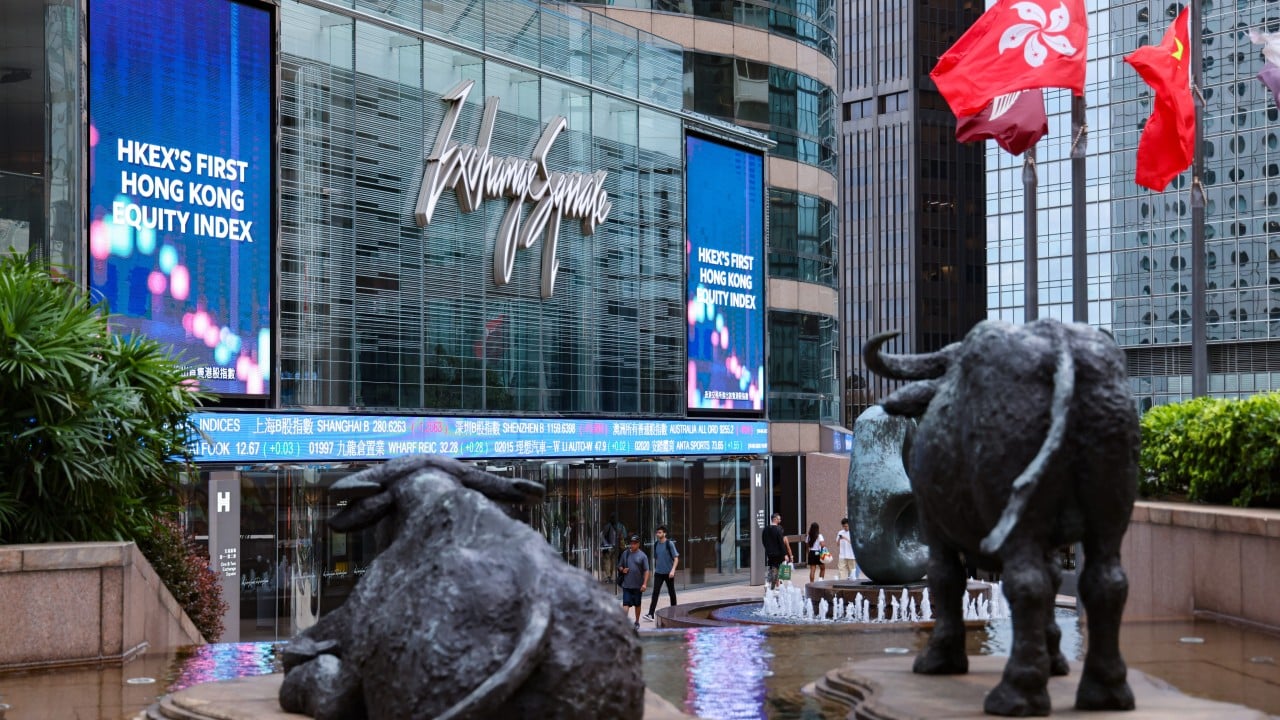
Markets do not collapse overnight; they erode through quiet transactions, portfolio repositioning, and the steady withdrawal of institutional capital from legacy strongholds. DFI Retail is simply reading the room, cashing out its chips on the hillside, and leaving the next phase of the Peak's retail experiment to someone else.