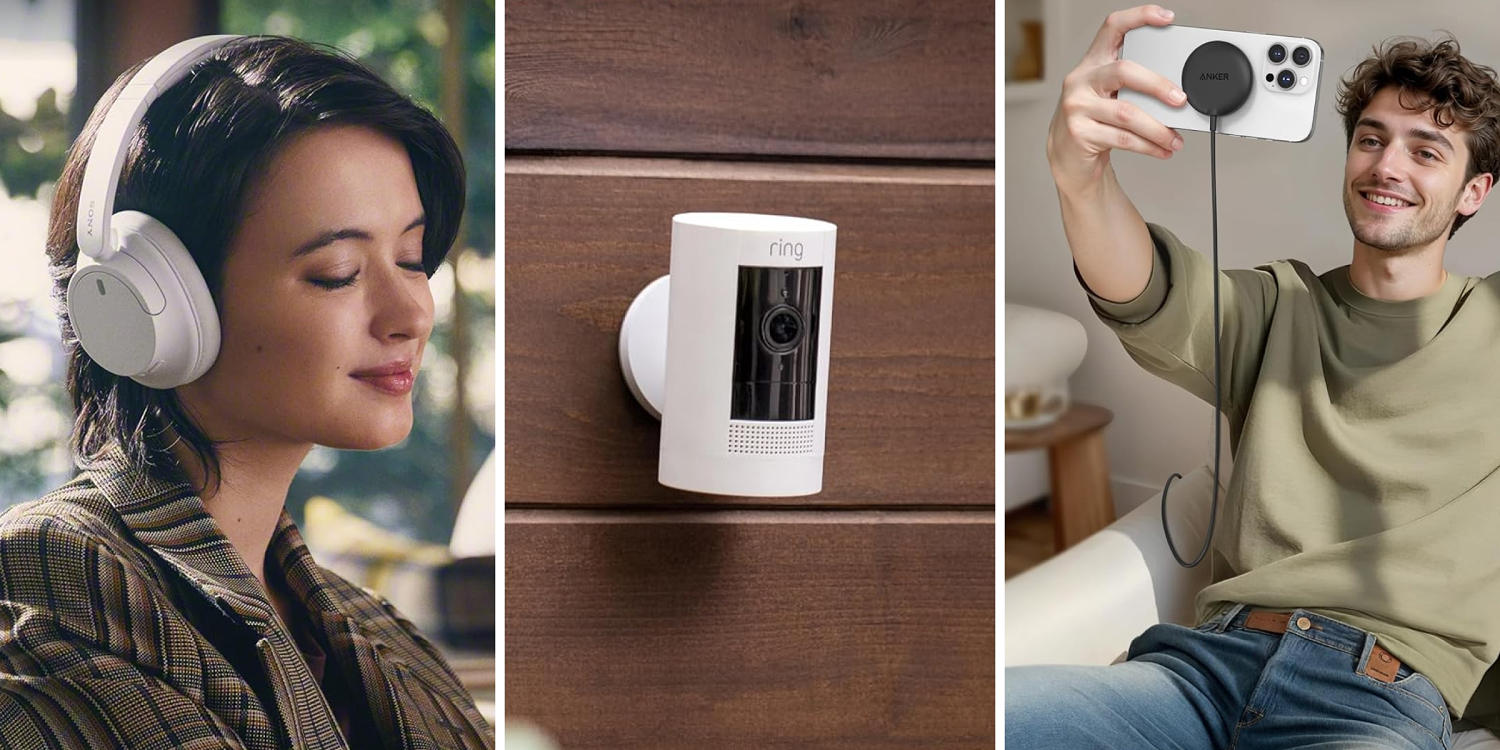
The blue glow of a cracked smartphone screen illuminated Sarah’s face at 2:14 AM. She wasn't scrolling through social media or watching mindless videos. She was staring at a spinning loading wheel, praying her laptop wouldn't crash before her final project uploaded. Her current machine sounded like a jet engine taking off, its internal fans screaming against the weight of a dozen open browser tabs. For Sarah, and millions like her, technology isn't a luxury. It is infrastructure. When it fails, life stalls.
Every summer, a strange phenomenon occurs across the digital landscape. A massive retail giant prepares to drop prices for a chaotic forty-eight-hour window known as Prime Day. The instinct for most consumers is to wait. We are told to hold our breath, guard our wallets, and jump into the feeding frenzy when the clock strikes midnight.
But waiting is a gamble. The hidden truth of the tech industry is that the best upgrades—the ones that actually change the friction of your daily life—often slip out through the back door weeks before the official chaos begins.
The Tax on Broken Tools
We rarely notice the exact moment a piece of technology turns from a helpful companion into an active adversary. It happens in increments. A battery that used to last all day now dies by noon. A pair of headphones requires a specific, agonizing jiggle of the wire to play sound in both ears. A smart home device decides to ignore the command to turn off the lights, leaving you to blink in the dark.
This is the friction tax. We pay it in frustration, lost minutes, and fractured focus.
Consider the modern workstation. For someone working from a kitchen table or a cramped apartment corner, a secondary monitor is not about spreadsheet efficiency. It is about mental breathing room. Splitting tasks between a tiny laptop screen and a spacious external display reduces the cognitive load of constantly minimizing and maximizing windows. Right now, before the official holiday rush inventory evaporates, productivity displays from major manufacturers are quietly dropping by thirty to forty percent.
The temptation is to view these early price drops with skepticism. Surely, the real discounts happen during the main event.
History suggests otherwise. The peak of summer shopping events is notoriously plagued by artificial scarcity, website crashes, and algorithmic pricing surges that can alter the cost of an item while it sits in your cart. Buying early isn't just about saving money. It is an act of preservation. It is securing the gear you need without the adrenaline-fueled anxiety of a digital gold rush.
The Sound of Silence
Silence has become the most expensive commodity in the modern world.
Think about the last time you tried to concentrate in a coffee shop, or the sensory assault of a crowded morning commute. The human brain was never wired to process the constant, low-frequency hum of subways, air conditioners, and overlapping conversations. When we look at the sudden, steep discounts on premium noise-canceling headphones ahead of the summer rush, we aren't just looking at audio gear. We are looking at portable sanctuaries.
An audio engineer will tell you that true noise cancellation relies on inverted sound waves, a literal active battle against ambient chaos. Putting on a pair of high-end over-ear headphones from Sony or Bose doesn't just change what you hear. It changes your heart rate.
"The right pair of headphones doesn't just play music. It builds a wall between your mind and a chaotic world."
During the actual rush of Prime Day, these specific, top-tier audio models are the first to vanish from warehouse shelves, often replaced by third-party knockoffs with impressive marketing but inferior internal chips. The early window is where the genuine articles hide. Sony’s industry-standard models and Apple’s audio lineup frequently hit their lowest price points of the season during these quiet, pre-event weeks, offering a chance to claim your silence before everyone else realizes they need it too.
The Invisible Stakes of Memory
Digital hoarding is a modern malady. We collect thousands of uncompressed photos, raw video files, system backups, and documents, scattering them across nebulous cloud subscriptions that charge us month after month, forever.
Then comes the notification: Storage Full.
We treat digital storage like an abstract concept until the moment a hard drive fails or a cloud service locks us out. The physical reality of data requires silicon, spinning disks, and solid-state drives. Upgrading your storage capacity is perhaps the least glamorous purchase available in the tech space, yet it yields the highest return on investment.
Solid-state drives (SSDs) have plummeted in manufacturing costs over the last year, resulting in a massive surplus that retailers are desperate to clear out before the autumn refresh cycles. Portable drives from SanDisk and Crucial, capable of holding entire lifetimes of memories, are currently trading at prices that would have seemed impossible five years ago.
Imagine losing a decade of family photos because a five-year-old internal drive finally gave up the ghost. That is the invisible stake. Spending a fraction of a normal tech budget on a rugged, external backup drive today is an insurance policy against heartbreak tomorrow.
The Anatomy of a Smart Upgrade
The term "smart home" has been ruined by gimmicks. No one truly needs a refrigerator that tweets, or a toaster controlled by an app. The true value of home automation lies in automation that fades into the background, handling the mundane tasks so you don't have to.
It starts at the front door.
A smart deadbolt or a video doorbell changes your relationship with your living space. It replaces the frantic, pocket-patting panic of "Where are my keys?" with a simple biometric tap or an automated proximity unlock. It transforms the vulnerability of a missed delivery into a secure conversation with a courier from three states away.
[Traditional Home] ---> Friction: Lost keys, missed deliveries, cold rooms
       |
[Smart Upgrades]  ---> Resolution: Biometric entry, live video feeds, scheduled climate
Ahead of the Prime Day madness, smart thermostats from Nest and Ecobee, alongside Ring and Blink security eco-systems, drop their prices to clear out warehouse space for incoming winter inventory. These aren't tech toys. They are upgrades to the fabric of your shelter, paying for themselves in reduced energy bills and peace of mind long before the summer heat waves peak.
Moving Beyond the Hype
The digital marketplace wants you to believe that every purchase must be a revolution. They want you to wait for the countdown timers, the flashing red banners, and the social media hype machines that accompany official shopping holidays.
But true utility is quiet.
The best tech deal isn't the one that saves you eighty percent on a gadget you will throw into a drawer by autumn. It is the one that shaves ten seconds off a task you perform fifty times a day. It is the reliable charger that doesn't overheat your phone. It is the mechanical keyboard that keeps your wrists from aching during an eight-hour shift. It is the tablet that allows an artist to finally digitize their sketches without lag.
Sarah didn't wait for Prime Day. She couldn't afford to. She found an early deal on a mid-range, dependable laptop, bypassing the midnight digital scramble entirely. The new machine arrived on a quiet Thursday afternoon. No fanfare. No countdown clocks. Just a smooth setup, a silent fan, and a project uploaded three hours before the deadline.
The storm is coming, filled with artificial countdowns and flashing lights. The smartest move has always been to build your shelter before the first raindrop falls.