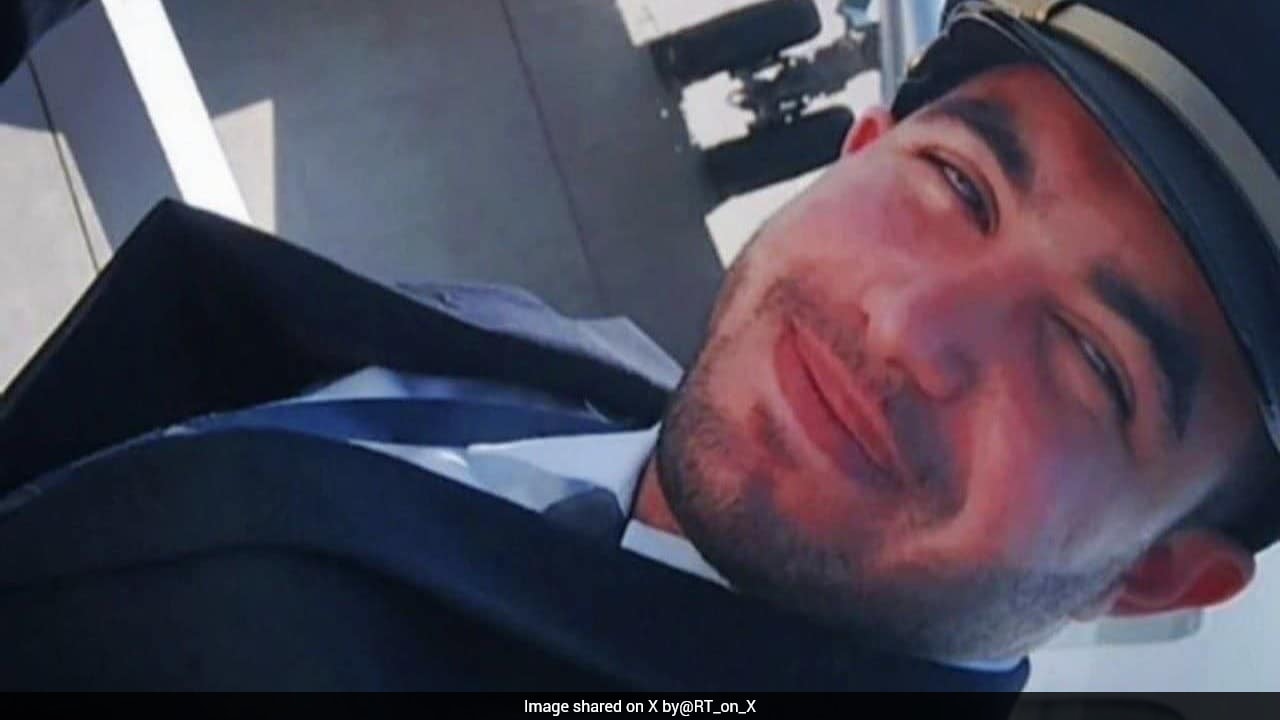
When public attention fixes on a catastrophic security failure, we usually look for institutional oversights, missing alarms, or systemic gaps in aviation checks. But sometimes the clearest warning signs live right out in the open on public social media timelines. The digital footprint left by Hamam al-Hammami, the flydubai co-pilot implicated in an alarming cockpit attack on an Israel-bound flight, paints a chilling picture of an online radicalization pipeline that fused deep-seated misogyny with extremist ideology long before he ever sat behind the flight controls.
Investigative reports following the incident revealed an extensive online trail on platforms like X, where the commercial aviator spent years broadcasting toxic manosphere rhetoric, violent threats, and extremist sympathies. Yet, these red flags blended into the background noise of internet vitriol until real-world violence brought them to light.
The Toxic Anatomy of Online Manosphere Rhetoric
The posts attributed to Hammami weren't just isolated expressions of bad temper. They followed a predictable, corrosive playbook common among radicalized digital subcultures. Archives of his account exposed a fixation on controlling women, dismissing them as "rotten flesh" or "cheap meat", and openly advocating for domestic abuse.
In one widely cited post, the user asserted that if a woman displeased her husband, she could be "put to sleep with a slap and woken up with a slap". Other messages suggested that anyone breathing near a man deserved to have their head stomped on.
This rhetoric doesn't exist in a vacuum. Psychologists and extremism researchers have long pointed out that extreme misogyny serves as a gateway ideology. When someone normalizes total domination and violence against half the human population online, transitioning to broader political or religious extremism requires very little ideological heavy lifting. The dehumanization muscle is already well-flexed.
The Blind Spots of Aviation Vetting
Commercial aviation relies on rigorous psychological screenings, background checks, and recurrent medical evaluations to ensure that the people entrusted with hundreds of lives at thirty thousand feet are mentally stable. So how does someone with a public digital trail of violent misogyny and extremist sympathies slip through the net?
Airlines and regulatory bodies monitor technical competence, substance abuse, and financial distress with razor-sharp precision. But personal social media usage under pseudonyms or poorly monitored handles remains a massive blind spot. Background screening tools often scrape official criminal databases or credit checks, failing to capture the subtle, toxic echo
Why The Flydubai Co-Pilot Slap Posts Reveal A Bigger Safety Crisis
news
A commercial flight deck is supposed to be a sanctuary of absolute professionalism. When you step onto a plane, you assume the two people up front share a baseline commitment to operational safety, emotional stability, and mutual respect. But what happens when that illusion shatters because of social media receipts?
The aviation industry faced a reckoning when a flydubai co-pilot was exposed for running an online campaign spewing intense misogyny, including a chilling post threatening to put a woman to sleep with a slap. It wasn't just edgy internet trolling. It was a clear glimpse into a toxic mindset operating flight controls at 38,000 feet. We need to talk about how airlines vet cockpit crew behavior off the clock.
The Digital Footprint No One Checked
Let's be honest about how airline recruitment works. HR departments run background checks, verify flight hours, review medical clearances, and conduct simulator assessments. They check your logbooks down to the decimal. They rarely look at your second Twitter account or your public Telegram channels.
That is a massive vulnerability.
When the flydubai first officer's online posts surfaced, they revealed a deep-seated contempt for women packaged as dark humor or ideological positioning. The statement about physical violence wasn't isolated. It sat among a broader collection of hate speech that normalizes aggression.
Airlines love to talk about safety culture. They preach checklists, crew resource management, and sterile cockpit rules. Yet, they historically treat personal social media activity as a blind spot. If an individual holds violent, misogynistic, or radical views online, that psychological volatility doesn't magically disappear the moment they cross the flight deck door. It leaks into crew interactions.
Crew Resource Management Meets Toxic Reality
Every commercial pilot learns Crew Resource Management or CRM during training. CRM exists because historical crash investigations proved that many disasters happen not because engines fail, but because the human crew fails to communicate. Hierarchy, ego, intimidation, and poor interpersonal dynamics kill people.
Now imagine flying alongside someone who publicly jokes about physically assaulting people who disagree with them.
How does a captain challenge that first officer on a critical fuel calculation? How does a cabin crew member report a safety concern to an officer known to harbor hostile views toward women? Psychological safety inside the flight deck evaporates instantly.
Airlines demand harmony between crew members during high-stress moments like engine failures, severe turbulence, or low-visibility landings. Extreme hostility off-duty points to a fundamental deficit in empathy and emotional regulation. Those traits matter just as much as stick-and-rudder skills.
The Institutional Response And Public Relations Control
Flydubai faced an immediate storm when the posts went viral. The carrier condemned the statements, distanced itself from the pilot, and launched internal investigations. Standard corporate playbook material.
Yet, quick PR statements miss the point. The real failure is systemic. Why did it take public outrage on social media to flag a pilot who was openly posting violent rhetoric?
Airlines operate in a heavily regulated global space. Aviation authorities like the FAA and EASA mandate strict medical standards, including psychological evaluations. But these assessments focus heavily on clinical depression, substance abuse, or psychosis. They rarely screen for radicalization, online hate groups, or severe behavioral red flags broadcasted publicly on digital platforms.
If you can be fired for failing a drug test, you should lose your license for promoting violence against half the human population. The two things point to an unstable baseline.
What Aviation Needs To Change Right Now
Fixing this requires structural shifts in how aviation employers monitor pilot fitness.
Background checks must evolve. Airlines need to incorporate digital footprint audits as part of routine vetting and periodic license renewals. If a pilot uses public channels to spread hate speech, threaten violence, or endorse extremist ideologies, that is a direct threat to flight safety.
Aviation unions and regulatory bodies also need to stop hiding behind privacy shields when public safety is on the line. Being an airline pilot is a public trust role. You hold the lives of hundreds of passengers in your hands every single shift.
Stop treating off-duty hate speech as harmless personal expression. Words reveal character, and character dictates action when things go wrong in the air.
Check your assumptions about who is flying your next plane. The industry needs to wake up before a digital warning sign turns into a physical catastrophe.


