The asphalt on the cage pitch in Rotterdam-West is unforgiving. It scrapes shins and shreds the soles of cheap sneakers, but on a Tuesday evening, nobody cares. Under the orange hum of municipal streetlights, a teenager named Yassin moves like liquid. He wears an orange Netherlands shirt, faded at the collar, but his socks are the deep, hunter green of the Moroccan national team. When he scores, he doesn't celebrate with the practiced arrogance of a television star. He just smiles, a quiet, knowing look shared with the boys leaning against the chain-link fence.
To a casual passerby, this is just a kickabout. To anyone who understands the modern geography of football, it is a living laboratory of identity.
When the national teams of the Netherlands and Morocco meet on a football pitch, the boundary lines of the stadium cannot contain the energy. It spills into the cafes of Amsterdam-Oost, onto the trams of Utrecht, and deep into the living rooms of families who have spent three generations balancing on a cultural tightrope. This is not a standard international fixture born of geographic proximity or historical warfare. It is an intimate, internal mirror reflecting what it means to belong to two places at once.
The Anatomy of the Choice
Every few years, a young man enters a room in Zeist, the wooded headquarters of the Royal Dutch Football Association (KNVB). He is talented, fast, and possesses the technical flair nurtured by the legendary Dutch academy system. He has worn the orange jersey through the Under-17s and the Under-19s. But then, a phone call comes from Rabat.
The choice that follows is rarely about sport alone.
Consider the case of Hakim Ziyech. Born in Dronten, raised in the Dutch football ecosystem, he reached a crossroads in 2015. The Dutch national team was faltering, transitioning away from the golden generation of Arjen Robben and Robin van Persie. The path to stardom in orange was wide open. Yet, Ziyech chose Morocco. The decision triggered a storm of public commentary. Pundits questioned his loyalty; fans voiced their frustration on sports radio.
What the commentators missed was the weight of the kitchen table. When a dual-national player sits down to decide his international future, he is not just choosing a tactical system or a path to the World Cup. He is making a public statement about his heritage, his parents' sacrifices, and his own sense of home. It is an emotional calculation that cannot be reduced to a statistics sheet.
The Dutch academy system is world-renowned for its structure. It teaches spacing, structural discipline, and tactical intelligence. But the Moroccan street game brings something else to the pitch: improvisational joy, a stubborn refusal to be predictable, and a fierce, emotional resilience. When these elements fuse, they produce extraordinary footballers. When they clash on the international stage, they reveal the friction of integration.
The Sound of the Living Room
To understand why this fixture carries such immense emotional weight, one must leave the grand stadiums and walk into a typical terraced house in Schilderswijk, The Hague.
Imagine a grandfather sitting on a plush sofa. He arrived in the Netherlands in the early 1970s, his hands calloused from working in the shipyards or the factories of the industrial boom. He learned enough Dutch to get by, but his heart remained anchored in the Rif Mountains. Next to him sits his son, an accountant who speaks flawless Dutch with a slight Rotterdam accent, and his grandson, who thinks in Dutch but feels a visceral thrill whenever the Moroccan anthem plays.
When the two countries play, the television screen becomes a portal. For ninety minutes, the complex sociological debates about assimilation, language barriers, and social mobility evaporate. They are replaced by the raw narrative of the ball.
If the Netherlands scores, the grandson might cheer, remembering his youth academy coaches who taught him how to position his body. If Morocco scores, the grandfather clears his throat, a quiet spark of pride returning to his eyes. This is not division; it is coexistence, loud and occasionally chaotic. The match serves as a rare space where both identities can exist at maximum volume without apology.
The Invisible Stakes of the Pitch
The narrative surrounding these matches often gets hijacked by political rhetoric. External voices try to turn a football game into a referendum on immigration policy or cultural loyalty. They view the choice of a jersey as a betrayal of the country that provided education and opportunity.
But the players see a different reality.
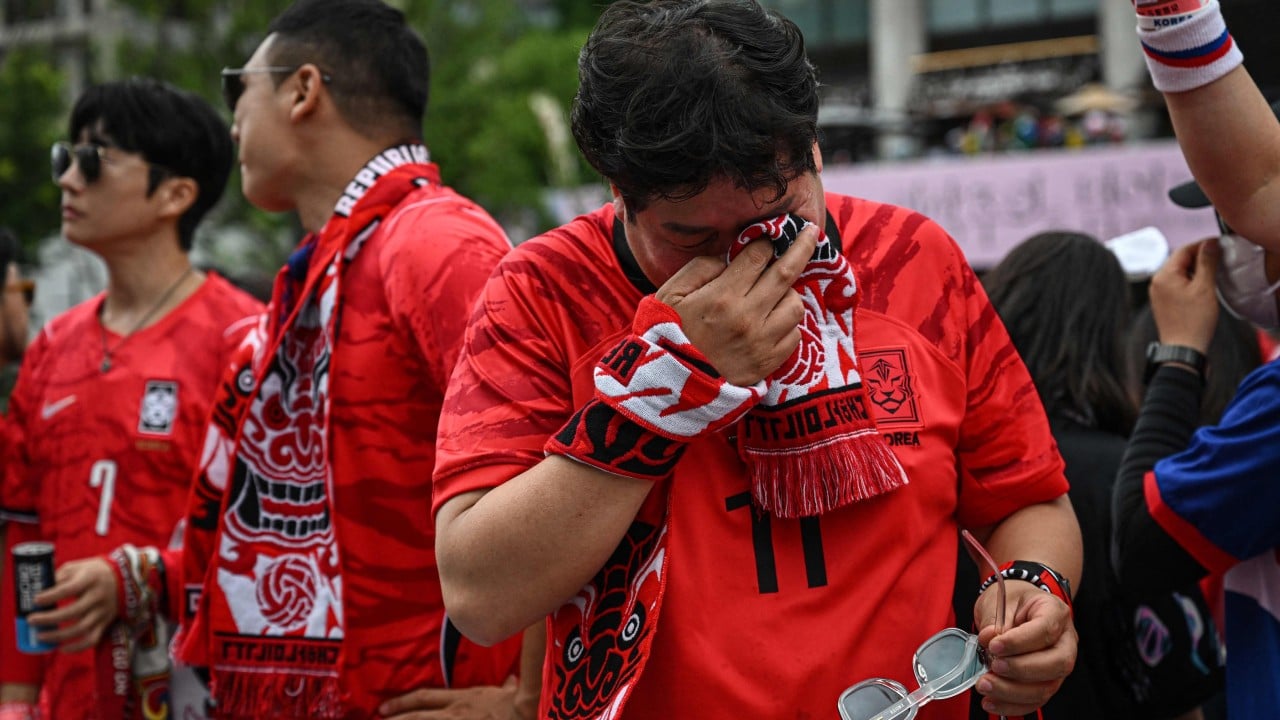
When Sofyan Amrabat chose to represent Morocco after playing for Dutch youth selections, it was not a rejection of the Netherlands. It was an embrace of a deeper, ancestral heartbeat. When he dominated the midfield during Morocco’s historic run in Qatar, the celebrations in the streets of Utrecht and Amsterdam were immense. Thousands of young Moroccan-Dutch citizens poured into the squares, waving red flags alongside orange banners.
They were not celebrating the defeat of the West; they were celebrating the validation of their existence. For a long time, the narrative around minority communities in the Low Countries has been framed through the lens of deficits—what is lacking, what is missing, what hasn't been done to integrate. Football flips that script. On the pitch, these players represent abundance. They are the holders of two cultures, masterfully extracting the best from both.
The Evolution of the Low Countries
The nature of Dutch football itself is changing, adapting to the rhythm of its streets. The rigid, textbook definitions of Total Football are absorbing the flair of the diaspora. You see it in the way the ball is trapped, the audacity of the step-overs, and the psychological grit displayed under pressure.
The match between these two nations is a reminder that culture is not a static museum piece. It is a living, breathing entity that changes with every migration wave, every birth, and every kick of a ball in a neighborhood cage. The tension is real, but so is the beauty.
As the sun sets completely over the Rotterdam pitch, Yassin and his friends pack up their gear. The orange shirt is damp with sweat; the green socks are stained with dirt from the urban turf. He walks home through streets named after Dutch poets and admirals, carrying the football under his arm, perfectly at peace with the two worlds resting on his shoulders.