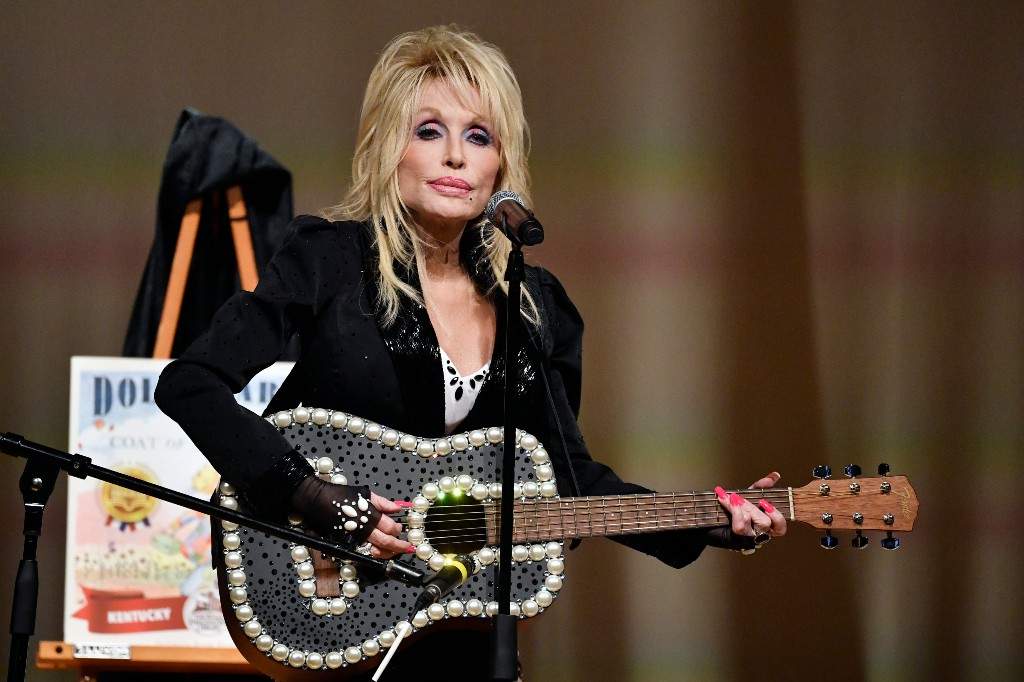
Dolly Parton died at the age of eighty following a brief battle with cancer, passing away at the Vanderbilt-Ingram Cancer Center in Nashville surrounded by her loved ones. Representatives for the global icon confirmed the passing, noting that she fought the illness briefly before her condition deteriorated. Millions are left mourning an irreplaceable cultural force. Yet behind the glittering tributes and the outpouring of grief lies a quieter, more exhausting reality about the final chapters of her life. She was a woman who spent decades carrying the weight of an entire industry on her rhinestone-studded shoulders, right up until her body simply refused to cooperate.
The Unrelenting Schedule of a Legend
Long before her hospitalization at Vanderbilt, the cracks in the armor were beginning to show. Months prior to her death, Parton had been forced to pull the plug on a heavily anticipated Las Vegas residency. She also backed out of appearances at Dollywood after medical professionals explicitly advised her against travel.
To the public, these cancellations were minor bumps in a legendary road. To those tracking her physical toll, they were glaring warning signs. She had spent the better part of a year managing compounding health complications, ranging from persistent kidney issues to severe fatigue.
Instead of stepping back to heal, she kept working. She oversaw business expansions, coordinated global music certifications, and prepared for creative projects like her upcoming Broadway musical.
Caring for Carl and Ignoring the Mirror
A profound emotional anchor shattered in March of 2025 with the death of Carl Dean, her husband of nearly six decades. In interviews given just days before her own passing, Parton admitted a harsh truth to confidants. She confessed that she had completely neglected her own rising medical symptoms while spending every waking moment monitoring and managing Carl's declining health.
Grief is not just an emotional state. It is a physical predator.
When chronic stress collides with the natural fragility of turning eighty, the human machine breaks down. Parton poured every ounce of her remaining energy into preserving her husband's dignity during his final days. By the time he was gone, her own immune system was deeply compromised. She was running entirely on adrenaline, professional obligation, and the fierce independence that defined her entire seven-decade career.
Building an Empire on Southern Resilience
It is easy to romanticize the rags-to-riches narrative of the girl from Sevier County. The wigs, the makeup, and the self-deprecating humor about how much money it took to look that cheap became a bulletproof shield. Beneath that armor was a razor-sharp corporate mind and an unyielding work ethic.
Parton did not just survive the music business. She conquered it on her own terms. She owned her publishing. She built a massive tourist and commercial footprint through Dollywood and her product lines. She funded early childhood literacy on an industrial scale through the Imagination Library.
That level of control comes with a severe psychological tax. When you are the sole engine driving a multi-million-dollar philanthropic and entertainment empire, stopping feels like failure. The culture demanded constant output, and she spent her entire life giving until the well ran completely dry.
The Myth of Graceful Decline
Society loves a quiet, peaceful exit for its aging icons. We prefer the narrative of the retired star fading gracefully into the Tennessee sunset. But Dolly Parton was never interested in fading.
Even as her body dealt with the cumulative effects of decades of travel, performance pressure, and personal loss, she insisted on framing her struggles through a lens of optimism. She apologized to her fans for letting them down when she canceled shows, as if needing medical care at eighty years old was a personal failure of character.
Her death certificate will note cancer, but the fuller story includes the exhaustion of a lifetime spent being everyone's anchor. She carried her family, her community, her fans, and her husband through decades of triumphs and trials. In the end, the only thing she forgot to carry safely across the finish line was herself.