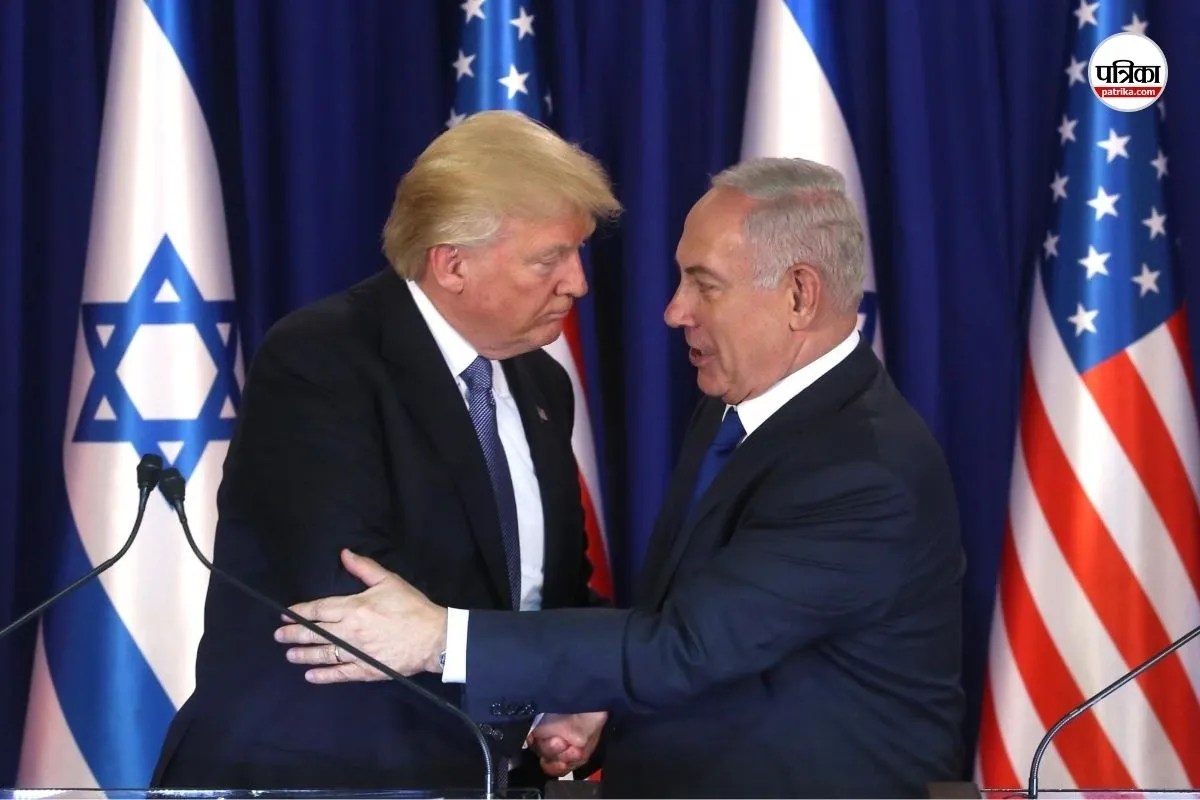
Donald Trump isn't one for subtle diplomacy. He’s always been more about the "Grand Bargain" than the slow grind of traditional statecraft. Recently, he made a massive promise to the Lebanese people—essentially telling them that the days of their country being a collateral battlefield are over. But this isn't just about a letter or a photo op with ambassadors. It’s a move that puts him on a potential collision course with his long-time ally, Benjamin Netanyahu.
If you’re wondering whether the U.S. is about to turn its back on Israel, the answer is a messy "no, but." It’s not about enmity; it’s about a clash of priorities. Trump wants the Middle East settled so he can focus on other fronts. Netanyahu, meanwhile, is still operating on a "total victory" mindset that doesn't always align with a quick exit strategy.
The Promise That Rattled the Cage
Everything started gaining momentum when Trump reached out to the Lebanese-American community. He didn't just offer thoughts and prayers. He gave his "word" that Lebanon would see peace and prosperity. For a community that’s watched Beirut crumble and the south turn into a "buffer zone," those are heavy words.
Trump’s strategy is built on a few core pillars that differ from the previous administration's approach:
- Direct Engagement: Instead of just talking about Lebanon, he’s hosting Lebanese envoys in the Oval Office.
- The "Big Deal" Energy: He’s pushing for a three-week ceasefire extension as a bridge to a permanent peace treaty—something that hasn't happened in decades.
- Pressure on the Source: He believes the road to Beirut runs through Tehran. By squeezing Iran, he thinks he can force Hezbollah to the table.
Why Netanyahu Might Be Sweating
On the surface, Netanyahu and Trump are still a "power couple." Netanyahu recently called their conversations "excellent." But don't let the polite press releases fool you. There's a growing friction between what Trump wants—a quiet Middle East—and what the Israeli security cabinet feels they need—the total dismantling of Hezbollah’s capabilities.
Last week, the IDF launched "Operation Eternal Darkness," a massive wave of strikes across Lebanon. It was brutal. While Israel says it hit 100 targets in 10 minutes to stop an imminent threat, the timing was terrible for Trump’s diplomacy. It happened right as a U.S.-brokered truce was being discussed.
Trump doesn't like being upstaged. If he promises the Lebanese a ceasefire and Netanyahu keeps the jets in the air, it makes Trump look weak. And if there's one thing we know about Trump, it's that he hates looking like he's not in control of the deal.
The Massad Boulos Factor
You can't talk about this shift without mentioning Massad Boulos. He’s a Lebanese-born businessman and, more importantly, the father-in-law of Trump’s daughter, Tiffany. Boulos has been the quiet architect behind the scenes, bridging the gap between Mar-a-Lago and the Lebanese political elite.
Because of this personal connection, Lebanon isn't just another foreign policy file on a desk in D.C.; it’s a family-adjacent interest. This gives the Lebanese government a direct line to the White House that they've never had before. It’s also why the rhetoric coming out of the U.S. has shifted from "Israel has a right to defend itself" to "Lebanon must be made great again."
Real Talk on the Ground
While the politicians talk in Washington, the reality in southern Lebanon is still grim. We're looking at over 1.2 million people displaced. The ceasefire is "shaky" at best. Hezbollah has called the truce "meaningless" because of continued Israeli incursions.
The friction point is simple:
- Trump's Goal: A signed piece of paper, a handshake, and the end of U.S. involvement in a "forever war."
- Netanyahu's Goal: A security zone in southern Lebanon that prevents even a single rocket from crossing the border, regardless of how long it takes.
- Lebanon's Goal: Sovereignty. They want the LAF (Lebanese Armed Forces) to be the only ones with guns, not Hezbollah and certainly not the IDF.
Can This Deal Actually Work?
Honestly, it’s a long shot. But Trump’s "maximum pressure" on Iran is the wild card. If Tehran feels the heat enough to pull back the leash on Hezbollah, a deal becomes possible. Trump is betting that he can trade Iranian economic relief for a quiet border in the Levant.
Netanyahu knows that a second Trump term means he has a friend in the White House, but he also knows that friend has a very short fuse for military campaigns that don't have a clear "end" button. The tension isn't "enmity"—it's a deadline.
What Happens Next
If you’re watching this play out, keep your eye on the three-week ceasefire extension. It’s the "put up or shut up" period for both sides. If the rockets stay quiet, Trump wins a massive diplomatic victory. If they don't, expect him to start leaning on Netanyahu to "wrap it up" faster than the Israeli PM is comfortable with.
For the Lebanese people, the promise of peace is the first bit of hope they’ve had in years. Whether that hope is built on a solid foundation or just a temporary campaign promise remains to be seen. If you want to understand the new Middle East, stop looking at the old maps and start looking at the personal relationships between the leaders in the room.
If you’re following this closely, your next step is to watch the direct talks scheduled in Washington over the next 14 days. That’s where the real boundary lines—both on the map and in the Trump-Netanyahu relationship—will be drawn.