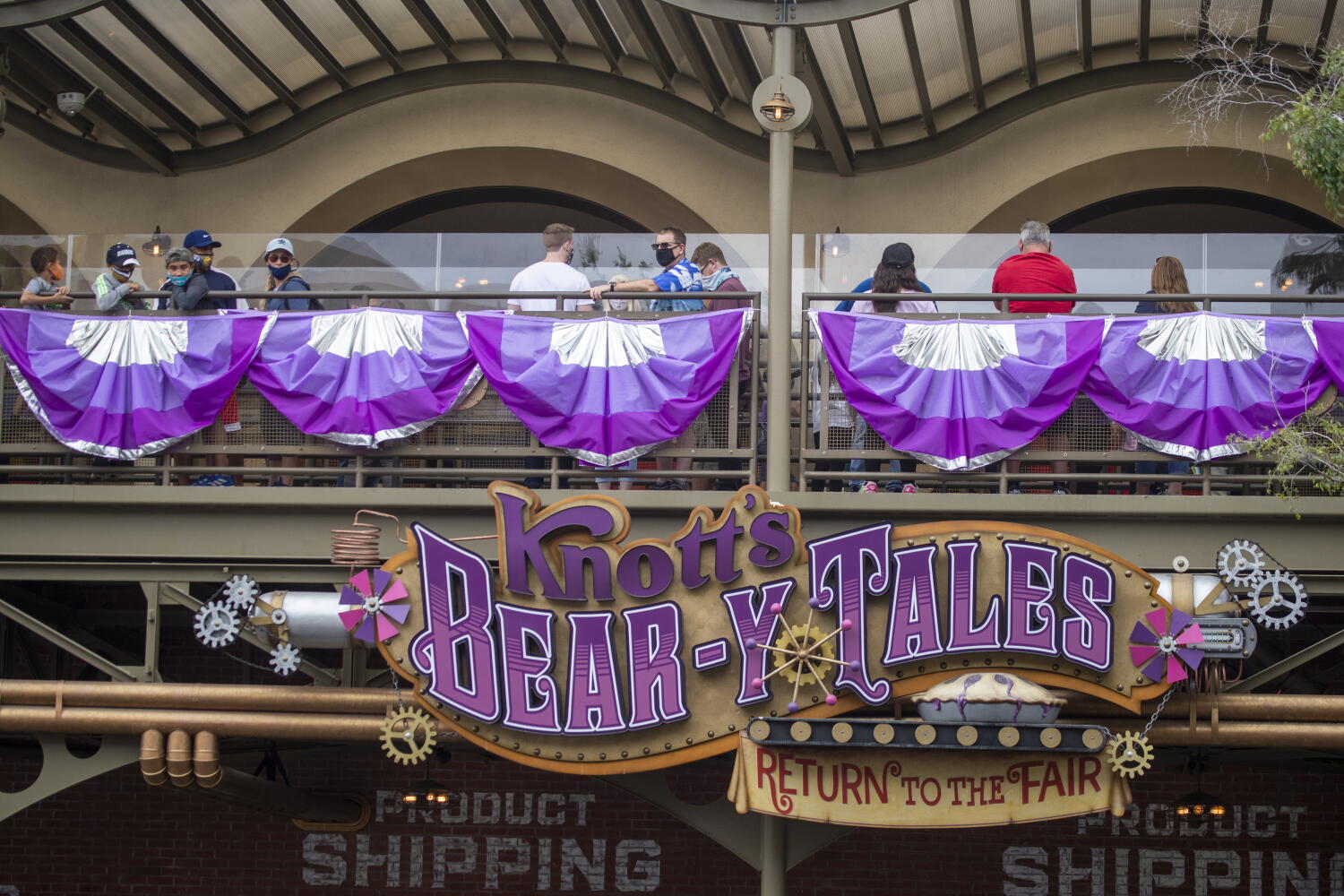
Check your spam folder before December 22, 2026. If you bought a single-day ticket to Knott's Berry Farm, Knott's Soak City, or California's Great America between June 28, 2020, and July 1, 2024, Six Flags owes you $8.
That sounds tiny. Until you realize how this settlement actually works.
Most people who see an email from a class-action administrator assume it's a phishing scam and hit delete. Others skim the subject line, figure the payout will arrive automatically, and move on with their day. Both instincts will cost you real money here. Under the terms of the $11.2 million settlement in Isayan v. Cedar Fair, L.P., doing nothing means you automatically forfeit cash. Instead, Six Flags hands you an $8 park credit.
Unless you actively file a claim before the December 22, 2026 deadline, you're stuck with a digital coupon that forces you to spend even more money at their gates just to use it.
Why Six Flags Is Paying Out $11.2 Million
Theme parks love drip pricing. You click on a ticket advertised at one rate, pick your date, enter your personal details, and right before you hit "pay," a mandatory online processing fee magically appears in your cart.
Back in 2024, a class-action lawsuit filed in Los Angeles Superior Court (Isayan v. Cedar Fair, L.P., Case No. 24STCV16212) called out Cedar Fair—which merged with Six Flags Entertainment Corporation—over those exact hidden charges. The lawsuit argued that tacking on undisclosed processing fees during online checkout violated California consumer protection laws, which require companies to display the true all-in price upfront. California's Honest Pricing Law (SB 478) cracked down hard on junk fees across ticketing, hospitality, and entertainment, making it much harder for theme parks to defend surprise surcharges at the register.
Six Flags denied any wrongdoing, which is standard boilerplate in every corporate settlement. Still, they agreed to put up roughly $11.2 million to make the case go away.
For theme park fans, this isn't just about recovering the cost of a churro. It's a rare win against an industry that routinely buries parking fees, service charges, and dynamic pricing surcharges until a family is already emotionally committed to buying the tickets.
Who Actually Qualifies for the Knott's Berry Farm Refund
Not everyone who walked through the turnstiles in Buena Park or Santa Clara gets a piece of this. The eligibility rules are narrow, and missing even one requirement disqualifies you from the payout.
To be considered a valid class member, your purchase has to meet four strict criteria:
- The right parks: You bought tickets specifically for Knott's Berry Farm, Knott's Soak City waterpark, or California's Great America. Visits to Six Flags Magic Mountain or Discovery Kingdom don't count under this specific lawsuit.
- The exact date window: Your transaction happened between June 28, 2020, and July 1, 2024. Purchases made before summer 2020 or after July 1, 2024, are excluded.
- Single-day or regular tickets only: Season passholders are out of luck here. The settlement covers regular, non-season admission tickets bought directly through the official park websites (like
knotts.com) where a processing fee was charged. If you bought discounted tickets through AAA, Costco, or a third-party travel site, you aren't part of this class. - A California billing ZIP code: You must have used a California billing ZIP code at the time you checked out. Out-of-state tourists who flew in for a vacation and paid the exact same fee aren't covered because the lawsuit relies on California state consumer statutes.
One nice surprise? You don't need to dig through four years of bank statements or old Gmail archives to prove you went. Six Flags already handed over its internal ticketing records to the court-appointed settlement administrator. If your email address was attached to a qualifying order, you're already on their master list.
The $8 Cash vs. Store Credit Trap
Here is where corporate settlements get sneaky.
Every eligible class member gets $8. Notice that it's $8 per class member, not $8 per ticket. Even if you bought six tickets for a family reunion back in 2022 and paid processing fees on the whole batch, your maximum payout is still capped at a flat $8.
If you ignore the settlement notice completely, you don't lose your $8—you just get defaulted into an $8 voucher. That credit carries no blackout dates and stays valid for 36 months from the date it's issued, which sounds generous on paper.
In reality, an $8 theme park credit is practically useless unless you were already planning another trip. Single-day gate tickets regularly top $60 to $100, and parking alone runs over $30. An $8 credit acts like a marketing coupon for Six Flags, nudging you to spend another $150 just to redeem your settlement payout. Worse yet, if you live in Northern California and usually visited California's Great America—a park Six Flags has already slated for permanent closure—a future ticket credit becomes dramatically less appealing.
Taking the cash takes less than two minutes. You can get that $8 sent directly via PayPal, Venmo, Zelle, or a traditional paper check mailed to your house. Eight dollars in your checking account buys coffee tomorrow; an $8 theme park credit sits unused in an inbox until it expires three years later.
How to Claim Your Cash Payment Before the Deadline
Don't click random links on social media or reply to suspicious text messages. There is only one legitimate portal handling this payout: the official Knott's Great America Settlement website.
Follow these steps to lock in the cash option:
- Search your email inbox. Look for messages sent from the settlement administrator regarding Isayan v. Cedar Fair, L.P.. The email contains a unique Notice ID and Confirmation Code tied to your original ticket purchase.
- Head to the official claim portal. Go directly to knottsgreatamericasettlement.com and open the online Claim Form.
- Enter your Notice ID and contact details. If you deleted the email or never received one despite meeting all four eligibility rules, you can still fill out the form using the name, email address, and California billing address you used when buying your tickets. You can also call the administrator toll-free at 1-888-885-4303 if your records aren't pulling up.
- Select your cash payout method. Choose electronic transfer (PayPal, Venmo, or Zelle) or request a physical check. Double-check your Venmo handle or PayPal email—typos are the number one reason digital class-action payouts bounce.
- Submit before December 22, 2026. The standard deadline to file your claim, opt out of the settlement, or file a formal objection is December 22, 2026. (The only exception applies to people who receive a court-authorized "Second Email Attempt," who get 60 days from that second notice date to respond.)
If you prefer paper over online forms, you can download the PDF form from the site, sign it, and mail it to the settlement administrator—just make sure it's postmarked by December 22, 2026.
When Will the Money Actually Arrive
Don't expect the $8 to hit your Venmo account next week. Class-action lawsuits move at a glacial pace, even after both sides sign an agreement.
After the December 22, 2026 claim window closes, the court still has to hold a Final Approval Hearing, which is scheduled for March 30, 2027, at 10:00 AM in Los Angeles Superior Court. Judges use that hearing to review any last-minute objections from class members and verify that the payout math checks out.
Assuming the judge signs off on March 30 and nobody files an appeal that ties up the fund, distribution typically takes another four to eight weeks. Realistic payout timing lands in April or May 2027.
It's a long wait for eight bucks. Honestly, that's exactly why companies love structuring settlements this way—most consumers forget about it, miss the filing window, and let the company keep the cash on its balance sheet.
Don't Confuse This With Canceled Ticket Refunds
If you're searching for a Knott's Berry Farm refund because of a recent rainout, ride closure, or schedule conflict, this $11.2 million settlement won't help you.
Knott's standard ticketing policy is notoriously rigid: all regular ticket sales are final, with zero refunds or exchanges if your plans change. When bad weather forces an unscheduled park closure, Knott's typically converts unused dated tickets into open-dated admission vouchers good for a future visit rather than returning money to your credit card.
California law actually gives guests more leverage during outright closures than theme park fine print suggests. Under California Business and Professions Code Section 22507, ticket sellers are legally required to provide a full refund within 30 calendar days if an event is canceled outright. When guests hit a wall with guest services over a park closure date, escalating the dispute through a credit card chargeback—and citing Section 22507—often works better than arguing with standard customer support.
That's a completely separate fight from the processing fee lawsuit. Right now, the clock is ticking on the fee settlement. Pull up your email, search for "Cedar Fair" or "Knott's," grab your Notice ID, and submit your form at knottsgreatamericasettlement.com before December 22, 2026, so Six Flags sends you actual cash instead of another excuse to buy a ticket.