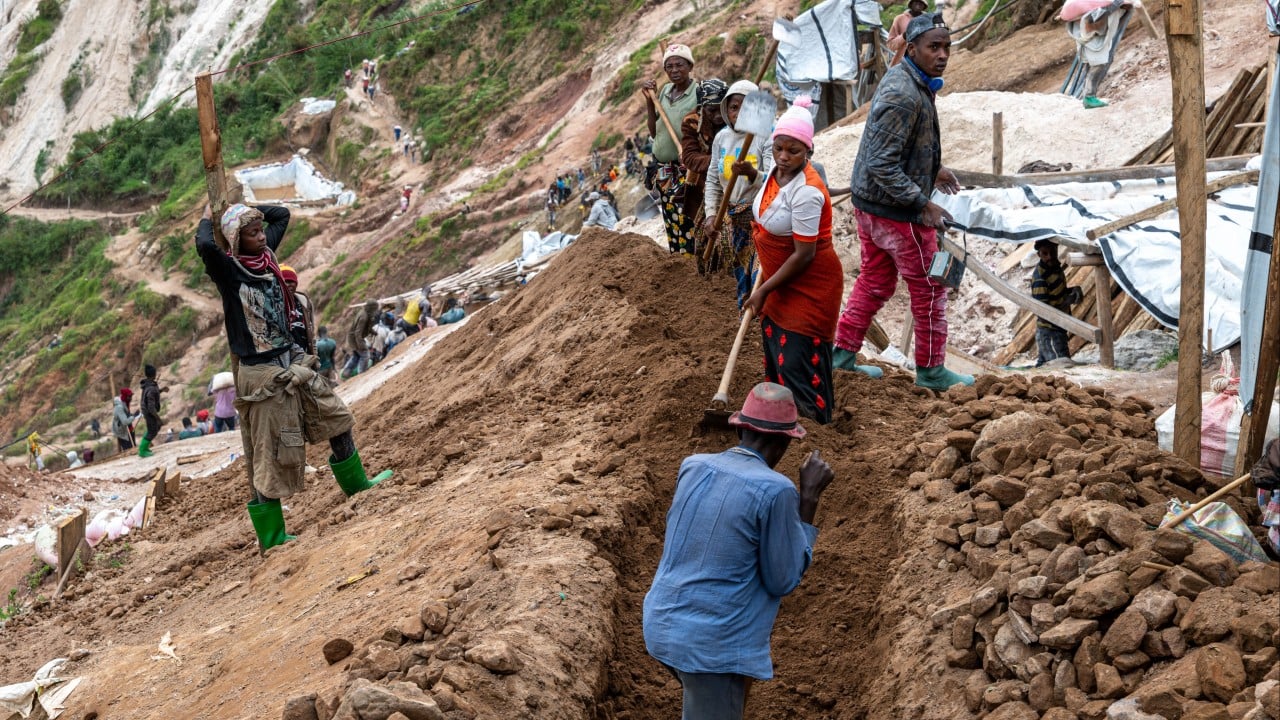
The global scramble for critical minerals is getting dirty, and the Democratic Republic of Congo sits right at the red-hot center of it. For years, Western powers sat on the sidelines while state-backed Chinese enterprises locked down a virtual monopoly over the world's most lucrative copper and cobalt deposits.
Now, a high-stakes geopolitical shift is underway. Recent diplomatic maneuvers, including US-brokered frameworks and regional ceasefires, have opened a narrow window for American and Western corporations to claw back a foothold in the region. But breaking a Chinese-dominated supply chain won't be easy, and the ground realities in Central Africa are far messier than corporate boardrooms in Washington care to admit.
The Real Cost of Chinese Dominance in Central Africa
You can't talk about clean energy or modern technology without talking about the DRC. The country supplies a massive share of the global cobalt and copper required for electric vehicle batteries and high-tech electronics.
Decades of aggressive, state-backed financing allowed Chinese firms to secure ownership or major stakes in roughly 15 of the largest copper and cobalt mines in the country. Deals like the massive Sicomines agreement traded multi-billion-dollar infrastructure investments for exclusive mining rights.
While Western companies hesitated due to regulatory red tape, conflict risks, and compliance hurdles, Beijing moved fast. They absorbed short-term market losses and flooded global markets with cheap cobalt, driving down prices to cement long-term structural dominance. Kinshasa eventually pushed back against this market saturation, even imposing temporary export bans to protect local revenues, but the structural imbalance remained stubborn.
How a Truce Opens the Door for the US
Security and mineral access are permanently linked in eastern Congo. Ongoing conflicts involving armed groups like the M23 have displaced millions and destabilized provincial capitals.
Amid this turmoil, strategic diplomatic pressure and peace talks—such as those brokered in Washington and Doha—have tied security cooperation directly to resource access. President Felix Tshisekedi's administration has leveraged its position, offering Western nations strategic mineral pathways in exchange for diplomatic and security alignment.
This transactional shift is best seen in massive infrastructure plays like the up to $1 billion backing for the Lobito Corridor, a vital railway project designed to shuttle copper and cobalt straight from Congolese mines to Angola's Atlantic coast. Washington wants out of the backseat. By backing logistics and pushing for strategic partnership agreements that grant US companies a right of first offer on concessions, the West is trying to engineer a commercial comeback.
The Uncomfortable Truth About the New Mineral Rush
Before anyone celebrates a Western victory in the mining sector, take a hard look at the domestic pushback. Congressional lawmakers in Washington have already raised serious alarms over these rushed deals, warning that prioritizing mineral extraction during active conflict zones risks exacerbating human rights violations and environmental degradation.
Local populations rarely see the wealth generated from their soil. Instead, they deal with displacement, polluted watersheds, and the fallout of poorly regulated industrial sites.
Furthermore, simply trading one foreign superpower for another doesn't solve the DRC's foundational governance issues. If Western firms swoop in under the cover of a fragile truce without investing in local value-added processing, the country remains trapped in a purely extractive role. Sustainable economic development requires building local manufacturing capacity, not just rerouting raw ore onto foreign-bound cargo trains.
The truce offers a rare opening. Whether Washington and its allies can turn a temporary diplomatic opening into lasting, ethical supply chain security depends entirely on avoiding the blind spots of the past. Stop viewing the DRC merely as a quarry to beat competitors. Treat it as a sovereign partner with its own long-term economic future.
DR Congo Signs China Minerals Deal As Trump Moves To Counter XI
This video provides an overview of how the Democratic Republic of Congo is balancing new resource agreements with the United States alongside its deep-rooted mining ties with China.
http://googleusercontent.com/youtube_content/1