When a catastrophic glacial collapse triggered massive flash floods across the Himalayas on August 26, millions of tons of water, rock, and debris tore through river valleys in Tibet and Nepal. The disaster wrecked critical infrastructure, hitting hydropower projects especially hard. Hundreds of workers went missing, many believed trapped inside subterranean power plant tunnels.
Filmmaker and drone pilot Manish Maharjan joined the Nepal Army's rescue operations just a day after the floods. Armed with thermal imaging technology, he expected to use his aerial tools to sweep the dark interiors of these underground networks. Instead, he encountered a terrifying physical reality that rendered standard search protocols nearly useless. Read more on a related subject: this related article.
The Toothpaste Effect Inside Subterranean Tunnels
Aerial technology excels in open air. Maharjan quickly proved this by locating survivors stranded on steep hillsides and inside isolated caves. By mounting microphone speakers onto his drones, his team called out to stranded locals and even played music, waiting for an audible response that successfully guided rescuers to a few isolated survivors.
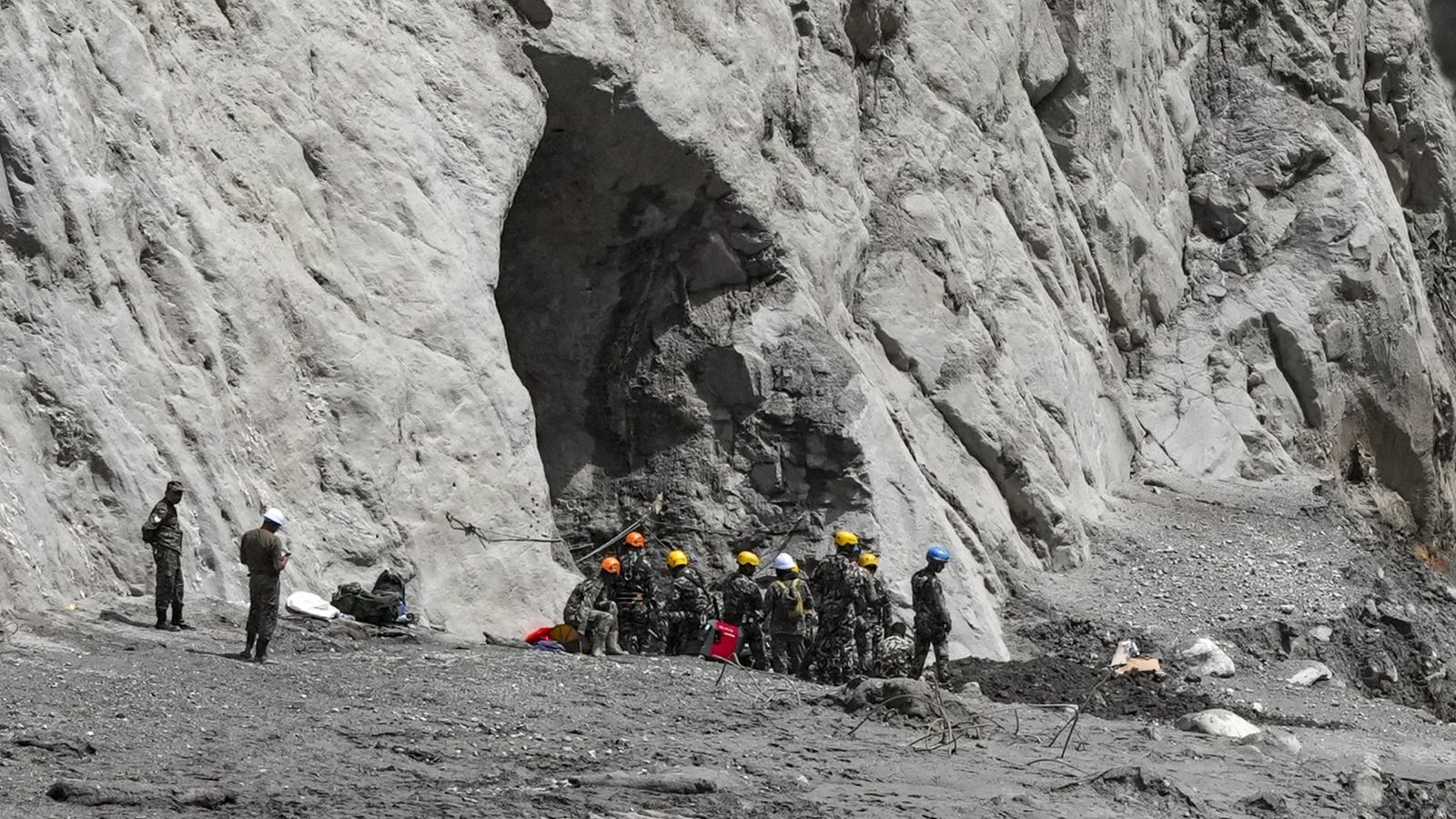
Underground tunnels presented an entirely different obstacle. At the Rasuwagadhi hydropower project and other sites across Rasuwa and Nuwakot, the floodwaters didn't just flow through the structures—they packed them solid. Additional reporting by Reuters highlights comparable perspectives on the subject.
"We found tunnels were filled with mud like toothpaste in a tube," Maharjan noted. "There was no hollow or empty space inside."
Looking at the densely packed sediment, operators could only visualize the sheer velocity and force of the initial flash flood. The magnitude 5.2 seismic event caused by the bedrock and glacial collapse hurled a slurry of heavy debris directly into intake pipes and tunnel mouths. This compressed hundreds of thousands of cubic meters of thick silt into tight spaces with zero breathable air pockets or survival zones.
Technical Barriers to Subsurface Drone Operations
Flying a drone inside a pitch-black, debris-choked tunnel requires extreme precision. GPS signals do not penetrate deep underground, meaning pilots must rely entirely on manual line-of-sight or onboard lighting and obstacle-avoidance sensors.
Maharjan pushed his thermal drones deep into the Rasuwagadhi project tunnel all the way to its terminal end, scanning repeatedly for any thermal signature of human life. The screens stayed dark. The physical constraints proved immense.
- Straight-Line Limits: Drones can only fly effectively in tunnels that are long and completely straight.
- The Bend Hazard: Once an underground passage features sharp turns, bends, or zigzags, maintaining a stable connection and steering becomes nearly impossible.
- Zero Clearance: Solid mud packs mean zero margin for error. A minor piloting drift results in an immediate crash into dense, sticky sediment.
The Broader Crisis Across Himalayan Energy Projects
The grim reality inside the Rasuwagadhi tunnel mirrors the broader crisis facing rescue personnel from Nepal, India, and China. Authorities report that upwards of 900 workers remain missing across 12 different hydropower sites impacted by the deluge. Approximately 500 of those individuals were stationed inside or near the power plant tunnels when the wall of water struck.
While some workers managed initial phone calls for help as the disaster unfolded, subsequent communication dropped to zero. Heavy machinery, excavators, and controlled blasts are now required to clear the packed sediment meter by meter. Traditional search-and-rescue dogs and thermal aerial tech can only do so much when the infrastructure itself is physically transformed into a solid block of earth.
Operations continue across high-risk zones like the Upper Trishuli complex, where thousands of troops and specialist teams dig through relentless layers of debris. The initial 72-hour window critical for survival passed weeks ago, shifting the mission from a rescue operation to a painstaking recovery effort. Technology like thermal drones provides vital reconnaissance, but against the raw, brute force of a Himalayan flash flood, Mother Nature leaves very little room for miracles.