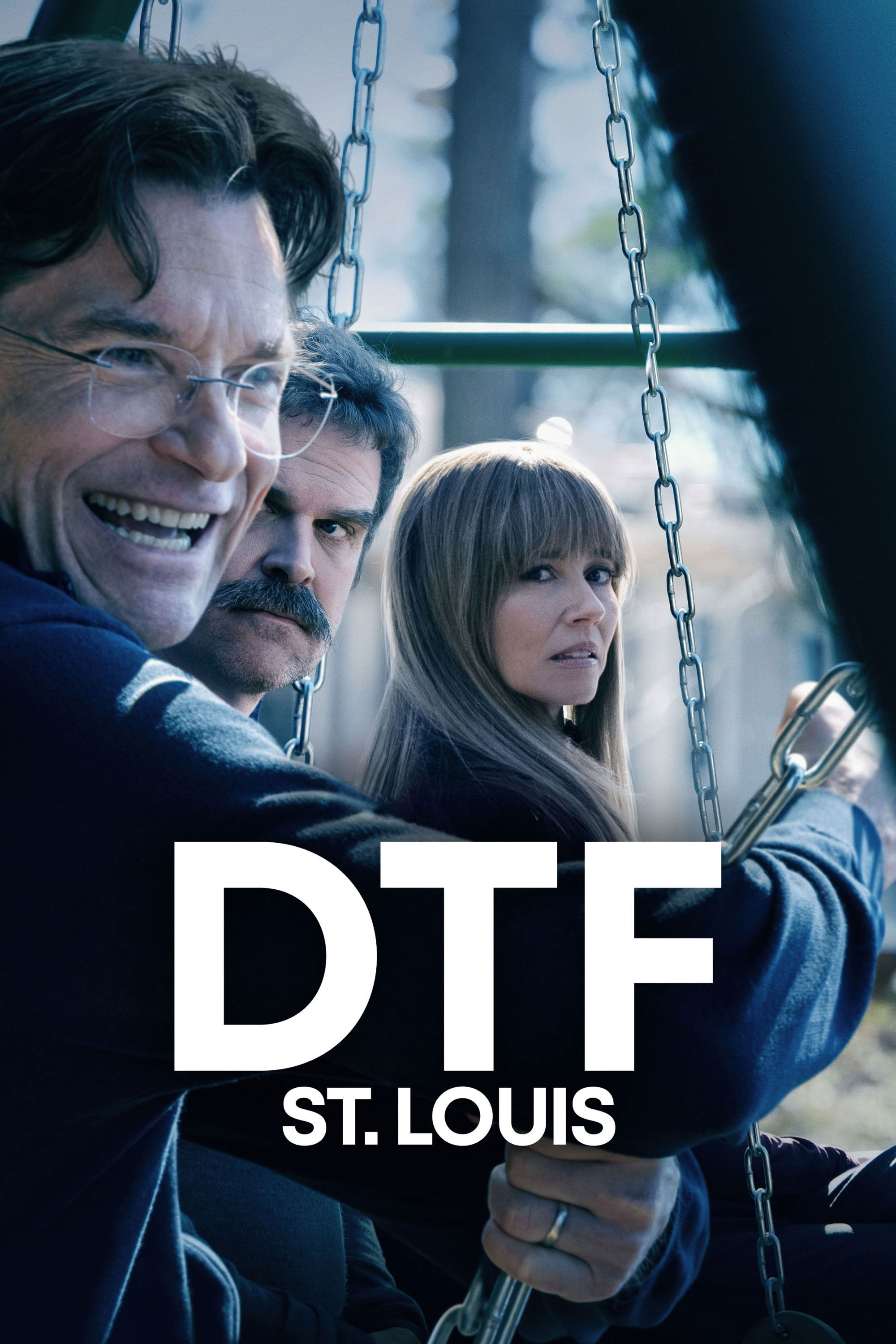
Some titles scare people away before a single frame even rolls. When Steven Conrad pitched a limited series with a provocative acronym upfront, actors worried about what they would have to tell their parents. Yet that exact piece of bait turned into DTF St. Louis, racking up thirteen Emmy nominations and subverting every expectation of prestige television.
Forget slick antiheroes or glamorous crime syndicates. This series leans hard into the clumsy, unglamorous reality of middle-aged desperation. It looks like a trashy suburban thriller on paper, but it operates as a deeply human study of people who lack the cultural armor of modern swagger. Also making headlines in this space: Hollywood Is Eating Its Own Backstage Working Class Alive.
The Miscalculation of Middle Age
Conrad built the narrative around characters crashing directly into the walls of middle age. At fifty-four, he watched peers make erratic, impulsive choices that unraveled decades of marriage. Instead of treating infidelity or midlife crises as high-octane soap opera fuel, the show treats them with awkward, heartbreaking authenticity.
The central dynamic features Floyd Smernitch, played by David Harbour, and Clark Forrest, played by Jason Bateman. These men carry zero swagger. They stumble through poor life choices without any sophisticated coping mechanisms. Television loves characters who fake it until they make it. Floyd and Clark are completely incapable of faking anything, which makes their descent into murder-investigation fallout so riveting. Further insights regarding the matter are detailed by Variety.
Why Carol Love-Smernitch is the Ultimate Unsung Hero
Linda Cardellini delivers a career-best performance as Carol, a woman holding together a fracturing domestic sphere. Viewers initially risk misreading her as a standard television killjoy, much like early audiences misjudged Skyler White or Carmela Soprano.
Cardellini's work anchors the emotional core of the show. She handles bizarre character beats—such as taking up competitive umpiring and wearing a chest protector around the house—with absolute commitment. By the final credits, you realize Carol was the only person in the narrative operating with clear vision. The Emmy nomination for Outstanding Supporting Actress feels entirely overdue for a performer who masters quiet devastation.
Behind the Creative Risks
The production team took massive swings that could have easily derailed the tone. Harbour noted that the show walks a razor's edge. Push the absurdity too far, and it becomes a parody. Play it too straight, and the dark comedy flatlines.
The writer's room spent weeks hunting for specific, unusual human quirks that felt genuinely authentic rather than manufactured for shock value. That commitment to odd, specific details separates a cheap streaming algorithm bait from genuine auteur television. The costume design, production mixing, and casting captured thirteen distinct nominations precisely because every department leaned into the distinct regional texture of the story.
What Comes Next for the Creative Team
Talks of potential expansions or a Los Angeles-based spinoff prove that the industry wants more of Conrad's singular voice. Yet the magic of DTF St. Louis lies in its specific containment. It captured lightning in a bottle by treating ordinary, messy human flaws with total sincerity.
Awards season recognition usually goes to shows with loud megaphones and billion-dollar marketing budgets. This surprise run proves that audiences still crave messy, vulnerable storytelling that refuses to offer clean answers.
Watch the limited series on HBO Max to see how modern television can still surprise you when creators throw out the rulebook entirely.