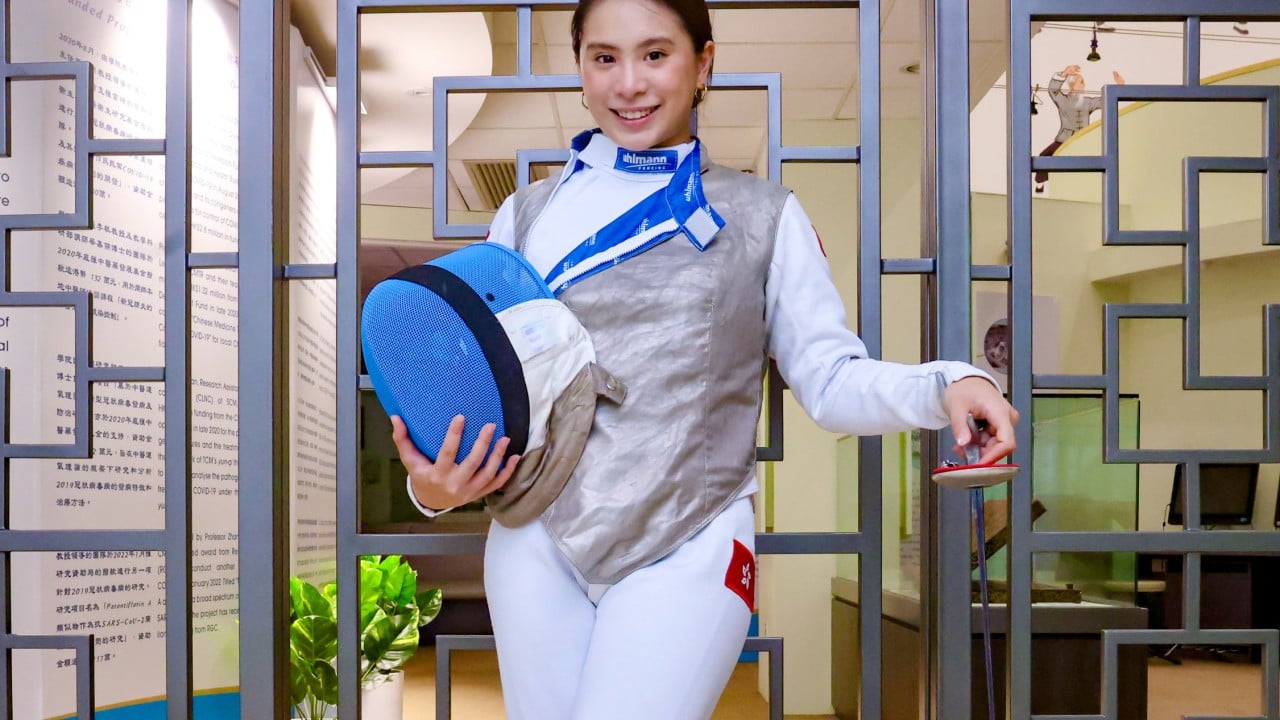
Every weekend warrior in Happy Valley thinks they cracked the performance code by paying double to mix acupuncture needles with an MRI scan. The lazy consensus in modern sports rehab is that blending traditional Chinese medicine with Western orthopedics gives you the best of both worlds. It sounds sophisticated. It plays well in glossy weekend lifestyle magazines featuring local runners and rowers smiling through their rehab.
It is also an expensive marketing illusion. Expanding on this theme, you can find more in: Why Optogenetics Is Neuroscience Most Overhyped Toy.
When a tendon shears or a labrum frays, the body does not care about ancient energetic balance or balancing the flow of qi. It cares about mechanical tension, collagen cross-linking, and cellular hypoxia. Running parallel tracks of conflicting physiological philosophies does not accelerate recovery. It dilutes accountability, bleeds your bank account, and masks chronic structural damage behind a veil of warm-needle relaxation.
Let us tear down the myth of the dual-track miracle. Experts at National Institutes of Health have also weighed in on this situation.
The Comfort of the Compromise
The standard narrative around combining modalities goes like this. Western medicine gives you the hard diagnostics—the knife, the pins, the precise imaging. Traditional medicine handles the pain modulation, the circulation, and the mental downtime.
This sounds like a balanced compromise. Compromise is usually the enemy of athletic recovery.
I have watched athletes drop thousands of dollars on herbal concoctions and myofascial scraping while their actual mechanical loading progression drifted completely off course. They feel better after a herbal compress because heat and local massage release endorphins. Their pain drops. They mistake a drop in pain perception for structural healing. Then they step back onto the track, load the tissue, and snap the same tendon within a month.
Pain management is not tissue repair. When you confuse the two, you stay injured longer.
The Mechanics of Tissue Repair Do Not Negotiate
Let us look at how soft tissue actually heals. When you suffer a grade-two ligament tear, the body goes through three distinct phases: inflammation, proliferation, and remodeling.
During proliferation, fibroblasts lay down type III collagen. That matrix needs mechanical stress—controlled, progressive tension—to mature into organized, high-tensile-strength type I collagen. If you apply passive modalities like cupping, acupuncture, or herbal plasters during this window, you change local microcirculation and alter nociceptive signaling. You do not change the mechanical properties of the extracellular matrix.
Western rehabilitation protocols built on heavy slow resistance training work because they force the fibroblast to align along lines of stress. They change the architecture of the tissue at a cellular level.
Traditional interventions often serve as an expensive distraction from the boring, grueling work of progressive heavy loading. People love needles because lying on a table while someone twirls filiform needles into your calf is infinitely more comfortable than grinding through heavy eccentric heel drops for Achilles tendinopathy.
The Placebo Premium
Do not misunderstand. Placebo is a powerful pharmacological agent. If an athlete genuinely believes that herbal wine rubs and moxibustion speed up their recovery, their autonomic nervous system shifts away from fight-or-flight, cortisol drops, and systemic inflammation decreases slightly.
We can achieve that exact same hormonal shift with ten minutes of box breathing, a proper sleep schedule, and a magnesium supplement that costs five dollars instead of five hundred.
The dual-track industry thrives on uncertainty. When an athlete faces a twelve-month layoff from a torn anterior cruciate ligament, they are desperate. Desperate people do not want to hear that recovery is a slow, unglamorous math equation of protein intake, mechanical tension, and sleep tracking. They want to believe that sticking dried mugwort near their knee joint will unlock a secret healing pathway known only to ancient masters.
It is a comforting fairy tale. It also keeps you in a brace twice as long.
What You Should Do Instead
If you are serious about recovering from a sports injury, stop trying to curate a cultural lifestyle brand out of your rehab. Strip away the noise.
First, get an accurate diagnosis using modern imaging. Know exactly what structural failure you are dealing with. A fuzzy understanding of your injury leads to a fuzzy recovery.
Second, commit to a single, progressive mechanical loading protocol. Find a physical therapist who understands tissue adaptation, force production, and energy storage. If your rehab program does not get progressively heavier over weeks and months, you are not healing; you are just waiting.
Third, if you enjoy passive therapies like massage or acupuncture for mental relaxation, treat them strictly as spa treatments. Do not confuse relaxation with tissue regeneration.
The human body is an adaptable machine, not a mystical riddle. Stop paying a premium for ancient mythology when what you really need is progressive mechanical load and unyielding discipline.