The internet lost its collective mind yesterday. Server crashes. Queues stretching past four hundred thousand people. Digital scalpers rubbing their hands together over inflated resale markets for a movie that is still years away from hitting projection booths.
The trades called it a triumph. They wrote breathless updates about an early ticket frenzy proving the sheer, unstoppable gravity of Denis Villeneuve's sci-fi epic. They told you this chaos is proof of a healthy theatrical ecosystem.
They are dead wrong.
This isn't health. This is a symptom of systemic panic disguised as demand.
I spent a decade managing major theatrical rollouts for a studio that shall remain nameless, watching millions go up in smoke because marketing teams confuse artificial scarcity with actual cultural resonance. I have seen executives pop champagne over server outages that were actually just poorly configured AWS clusters, mistaking a software bottleneck for a cultural movement.
The lazy consensus is that when fans break ticketing websites for Dune: Part Three, it represents a golden age for cinema. It means the audience is back. It means people still care about the big screen.
Let us dismantle that comforting fiction right now.
The Illusion of Scarcity in a Digital Age
Physical seats in an IMAX auditorium are finite. Digital tokens are not. Yet studios and exhibition chains intentionally restrict the initial release of pre-sales to manufacture a panic. They drip-feed inventory. They create a digital bottleneck. Then, when the inevitable crash happens, their PR departments rush to frame a technical bottleneck as a historic cultural milestone.
Look at the mechanics of this so-called frenzy. It does not measure enthusiasm; it measures anxiety.
Fans do not log on at midnight because they are joyful. They log on because they have been trained like laboratory rats by a decade of limited-edition drops, exclusive merchandise windows, and algorithmic FOMO. They are terrified that if they blink, some bot farm in Eastern Europe will snap up their preferred center-row seat and force them to watch a three-hour cerebral epic from the front-row neck-strain zone.
When you praise this dysfunction, you are cheering for a system that treats its core supporters like hostile combatants trying to breach a fortress.
The Myth of the Unstoppable Franchise
Let us talk about the economics of Dune: Part Three. The studio executives look at these early numbers and project massive, compounding returns. They assume a linear trajectory from the second film to the third.
That is not how audiences work, especially with dense, challenging science fiction.
Frank Herbert’s Messiah—the narrative basis for the upcoming film—is not an action-packed crowd-pleaser. It is a cynical, deeply uncomfortable deconstruction of messiah complexes, political stagnation, and the tragic burden of absolute power. Paul Atreides does not ride off into the sunset as a triumphant hero. He stumbles through a religious bureaucracy he despises, blind and broken.
Mainstream moviegoers bought tickets to parts one and two expecting a sci-fi space opera akin to Star Wars. What they got was a gorgeous, brooding meditation on imperialism. By the time Messiah hits screens, the narrative whiplash for casual viewers is going to be severe.
I have watched franchises hit this exact wall before. The opening weekend numbers spike because of residual momentum from the previous entry, but the second-weekend drop-off tells the real story. When the general audience realizes the payoff to a multi-year cinematic journey is a cautionary tale about totalitarianism rather than a laser-battle victory lap, the narrative shifts overnight.
The ticket frenzy right now is a bet on Part Two, not Part Three. The audience is paying for a continuation of what they loved yesterday, completely blind to the narrative trap Frank Herbert laid out in the source material.
Why Exhibition Chains Are Digging Their Own Graves
Exhibition executives love these server crashes. AMC and Regal point to the digital traffic jams as proof of their indispensable role in modern entertainment.
They are whistling past the graveyard.
If your primary customer interaction involves a crashing checkout page, a twelve-minute digital queue, and dynamic pricing models that feel indistinguishable from airline gouging, you are not building loyalty. You are building resentment.
Imagine a scenario where a major airline crashed its reservation system every time a holiday flight went on sale, forcing passengers to refresh their screens for hours while dynamic pricing hiked ticket costs by forty percent. Consumers would riot. Antitrust lawyers would circle like sharks. Yet in the movie business, we call this a PR win.
The theater chains are squeezing the orange until the rind bleeds. By leaning into these artificial pre-sale spectacles, they alienate the casual viewer—the exact demographic required to push a $200 million blockbuster into profit. You cannot sustain a modern tentpole on hardcore stans alone. You need families, casual date-nighters, and people who decide what to watch on a whim on a Friday evening.
When those casual viewers encounter locked-out seating charts, impossible ticket tiers, and sold-out premium formats weeks in advance, they do not wait patiently. They stay home. They wait for the streaming window.
The Brutal Truth About Digital FOMO
We need to redefine what a successful launch actually looks like.
A truly healthy distribution model does not require a digital stampede to validate its existence. It provides frictionless access. It honors the audience's time.
Instead, the industry relies on weaponized anxiety. Studios use coordinated drops to game social media trending topics, manufacturing the appearance of a grassroots movement through sheer marketing brute force.
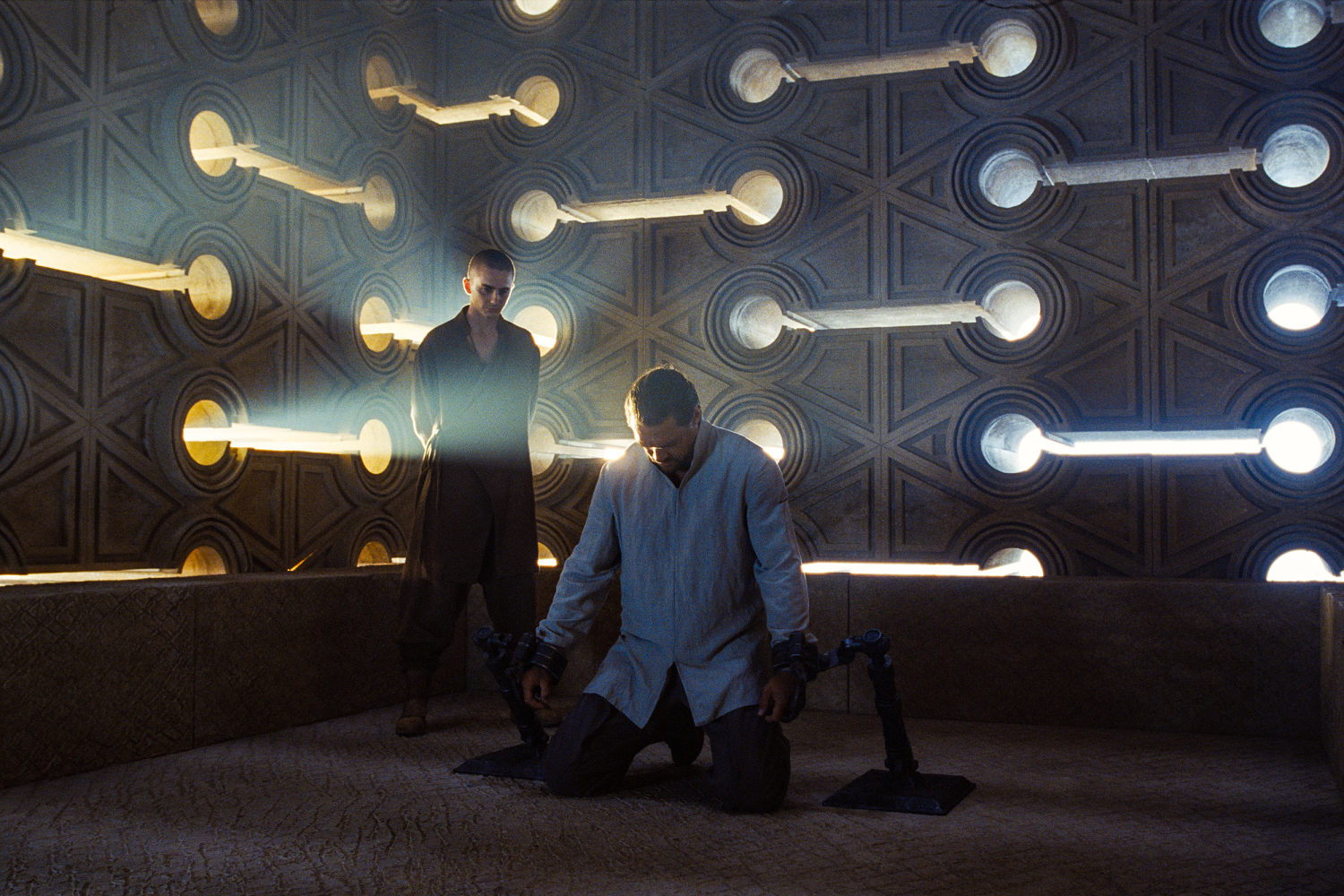
Does Dune deserve its audience? Absolutely. Villeneuve is a master craftsman working at a scale we rarely see anymore. His commitment to tangible texture, sound design, and architectural grandeur puts the green-screen sludge of modern competitors to shame.
But worshiping the infrastructure of ticket sales is a mistake. We are confusing the tollbooth for the destination.
The fans crashing those sales sites today are not heroes of a cinematic renaissance. They are hostages to a marketing machine that has monetized stress. And the studio accountants are banking on the fact that you will be too exhausted by the purchase process to notice whether the movie itself actually delivers on the promise of the hype.
Stop celebrating the queue. Start demanding a system that respects the people standing in it.