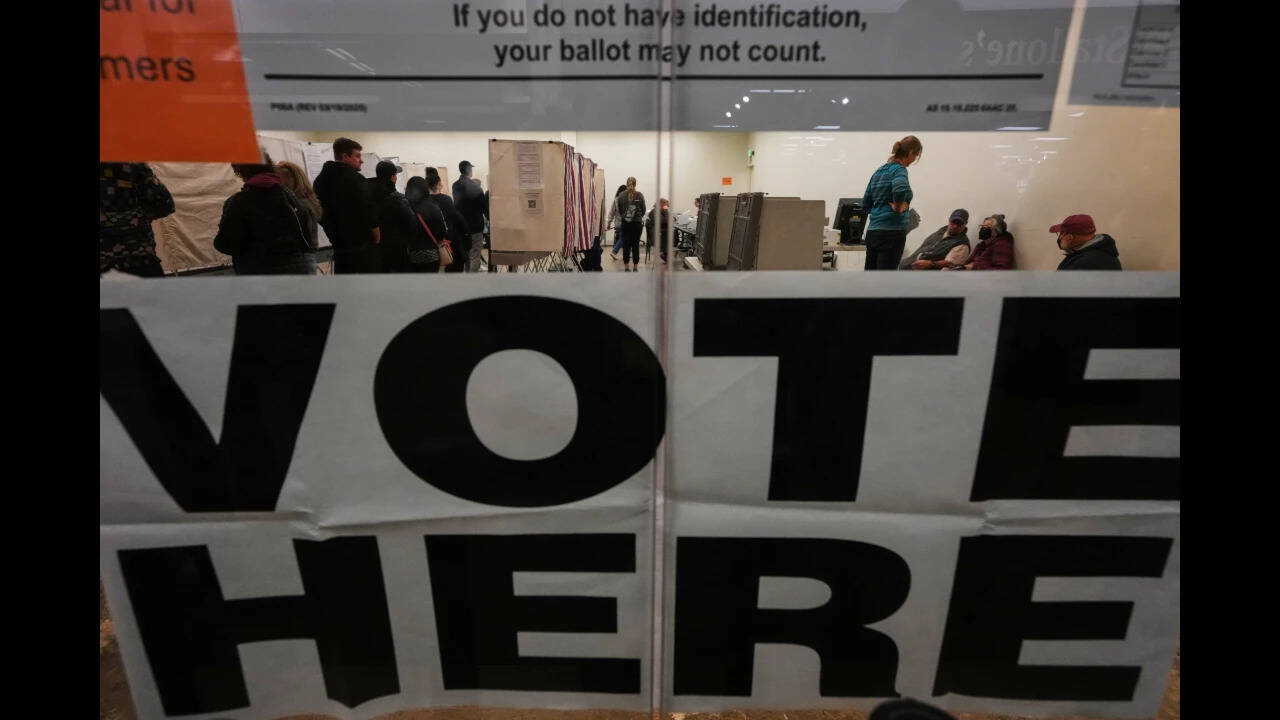
If you're asking whether you can still cast an early ballot in the US midterms today, the honest answer depends entirely on your zip code. There is no single national cutoff date. In the United States, elections are run by individual states—and sometimes even individual counties—which means early voting ends on completely different days depending on where you live.
Most states wrap up their in-person early voting period between the Friday and Sunday immediately before Election Day. A handful of states let you vote in person right up until the Monday before polls officially open, while a few others don't offer traditional in-person early voting at all, relying instead on universal mail-in ballots or strict absentee rules. If you wait until the last minute without checking your local county board of elections, you risk showing up to a locked community center.
Why US Early Voting Deadlines Are So Confusing
The American electoral system wasn't designed for uniformity. Under the Elections Clause of the US Constitution, states have broad authority to set the "Times, Places and Manner" of holding elections. Over the past two decades, states have expanded early voting at wildly different paces, creating a patchwork of rules that trips up millions of voters every two years.
Take two neighboring states, for example. In one state, early voting might run for 45 days and close on the Saturday before Election Day. Just across the state line, early voting might only last ten days and shut down on Thursday evening. Even within the same state, rural counties often operate on abbreviated schedules compared to major metro areas, offering fewer weekend hours or closing their doors days earlier than big cities.
I've watched countless voters get burned by assuming their new state works like their old one. You move across the country, assume you can stroll into a library on Sunday afternoon to cast your ballot, and realize your state closed early voting at 5:00 PM on Friday.
How Early Voting Deadlines Break Down Across the Country
While you always need to verify your specific county's calendar, states generally fall into a few predictable buckets when it comes to closing their early voting windows.
The Weekend Cutoff States
The largest group of states ends in-person early voting on the Saturday or Sunday right before Tuesday's Election Day. States like Georgia, Florida, and Texas typically wrap up their early voting periods on the Friday or Saturday before Election Day, though some Florida counties have flexibility to extend hours into Sunday. New York and New Jersey generally run early voting right through the Sunday before the election.
These final weekend days are notoriously crowded. Election administrators regularly report that the first day of early voting and the final Friday or Saturday see the longest lines of the entire early period. If you're planning to go on the final weekend, bring water and expect to wait.
The Monday Before Election Day
A smaller group of states keeps early voting open right up until the afternoon before Election Day. States like California, Nevada, and Illinois allow in-person early voting through the Monday prior to the Tuesday election. In states with universal vote-by-mail systems—such as Oregon, Washington, and Colorado—in-person vote centers and ballot drop boxes remain accessible right through Election Day itself, though the hours on Monday and Tuesday vary by county.
States Without Traditional Early Voting
Not every state lets you walk into a polling place early without an excuse. States like Alabama, Mississippi, and New Hampshire do not offer no-excuse in-person early voting. In these states, if you can't make it to the polls on Election Day, you have to qualify for an absentee ballot under specific state criteria—like being out of the county, having a physical disability, or working during polling hours—and apply well in advance.
Mail-In Ballots vs. In-Person Early Voting
People constantly confuse mail-in ballot deadlines with in-person early voting deadlines, and mixing those two up is the fastest way to get your vote disqualified.
In-person early voting is simple. You walk into an designated early voting site, check in with poll workers, and cast your ballot on a machine or drop it directly into a tabulator. Once you leave, your vote is cast.
Mail-in and absentee ballots operate under two completely different clocks—the deadline to request a ballot and the deadline to return it. Most states cut off mail-in ballot requests anywhere from seven to eleven days before Election Day. If you haven't requested a mail ballot by then, that ship has usually sailed.
If you already have a mail-in ballot sitting on your kitchen counter, do not put it in a standard blue USPS mailbox during the final few days before the election. Postal delays can easily push your ballot past your state's receipt deadline. Roughly two-thirds of US states require mail ballots to physically arrive at the election office by the time polls close on Election Day, regardless of when they were postmarked. Other states, including California and New York, accept ballots postmarked on or before Election Day as long as they arrive within a specific window afterward.
Instead of trusting the mail late in the game, take that completed ballot directly to an official county drop box or hand-deliver it to an early voting location or your local election office.
Common Mistakes That Cost People Their Vote
After watching midterm cycles play out across dozens of jurisdictions, the same avoidable errors show up every single time.
- Going to the wrong polling place. Your early voting location is almost never your regular Election Day precinct. Counties consolidate early voting into regional hubs like libraries, recreation centers, and government buildings. Always check the early voting location list, not your standard precinct lookup.
- Forgetting state-specific ID laws. Around three dozen states enforce some form of voter identification requirement at the polls. Some accept a utility bill or bank statement, while strict photo ID states like Texas, Wisconsin, and Indiana require specific government-issued photo identification. Check what your state demands before you get in line.
- Assuming you can register on the spot everywhere. Roughly half of US states and Washington, D.C. offer Same-Day Voter Registration during early voting or on Election Day. The other half require you to register weeks in advance. If you live in a state without same-day registration and missed the deadline, showing up early won't let you cast a regular ballot.
- Leaving down-ballot races blank by accident. Midterm ballots are packed with local judges, school board members, city council seats, and state constitutional amendments. Many local elections are decided by a few dozen votes. Take five minutes to look up a sample ballot before you walk in so you aren't guessing in the booth.
What to Do If You Missed Your Early Voting Deadline
If you check your local schedule and realize early voting has already closed in your county, don't panic. You still have options, though your flexibility narrows quickly.
First, check your Election Day polling location and hours. Polls generally open between 6:00 AM and 7:00 AM and close between 7:00 PM and 8:00 PM local time, depending on the state. Remember the golden rule of US elections—if you are in line before the polls officially close, stay in line. Poll workers are legally required to let everyone already standing in line cast their ballot, even if it takes hours past the closing time.
Second, if you have an unreturned mail-in ballot and early voting is over, bring that physical ballot with you to your assigned Election Day polling place. In most states, poll workers can void your unused mail ballot on the spot and issue you a standard in-person ballot. If you show up without your mail ballot, you'll likely be forced to cast a provisional ballot, which takes longer to verify and count.
Third, if an unexpected emergency happens right before Election Day—like a sudden hospitalization or a family emergency—look into your state's emergency absentee ballot rules. Nearly every state has a provision allowing a designated family member or courier to pick up and return an emergency ballot on your behalf up until Election Day afternoon.
Check Your Status Right Now
Stop guessing about your local rules and verify your exact timeline in under two minutes. Head directly to Vote.org or the federal USAGov Voting Portal to pull up your state's official election website. Confirm three specific things before you leave the house—your registration status, the exact street address and closing hour of your nearest early voting center, and the specific ID document you need to put in your wallet.