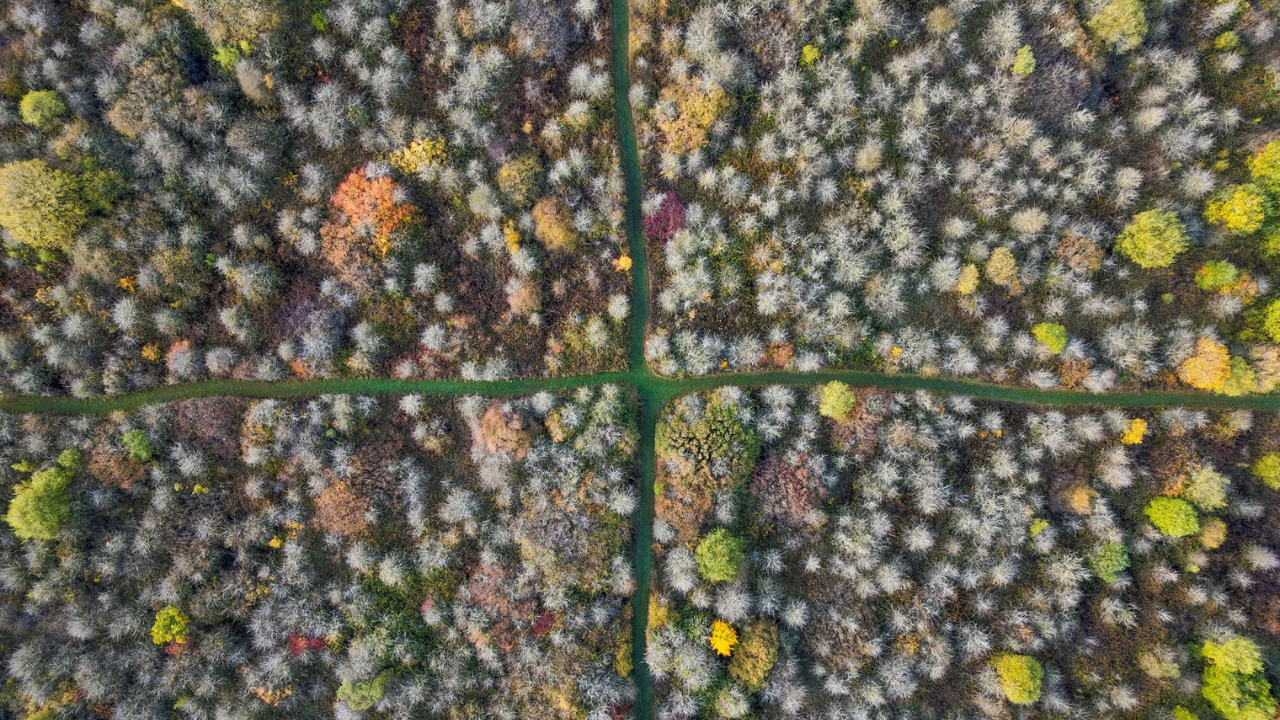
The transition of Strawberry Hill, a 377-acre site in Bedfordshire, from intensive wheat production to a burgeoning wildlife refuge serves as a quantifiable model for ecological succession and the fiscal mechanics of land-use policy. This case study demonstrates how regulatory intervention—specifically the European Union set-aside scheme of the late 1980s—can act as the primary catalyst for long-term land-use shifts. When external capital flows are redirected or withdrawn, agricultural assets often move from high-intensity production to abandonment, triggering an organic, non-linear progression of biodiversity.
The Mechanics of Agricultural Abandonment
Intensive wheat farming relies on high-input variables: synthetic nitrogen fertilizers, systemic pesticides, and mechanized soil inversion (ploughing). In 1988, landowner Hugh White utilized the European Union's set-aside program, a policy designed to mitigate grain supply surpluses by paying farmers to remove arable land from production. Building on this theme, you can also read: The Anatomy of Executive Misalignment Why Mass Layoffs Fail and Backfire.
This decision functioned as a threshold event. The cessation of these inputs—chemical supplementation and mechanical disturbance—shifted the land’s operational state from a manufactured crop cycle to spontaneous ecological succession. The absence of ploughing allowed the soil seed bank to activate, while the lack of pesticides removed the selective pressure preventing colonizing species from establishing.
This process follows a predictable sequence: Analysts at CNBC have also weighed in on this situation.
- Pioneer Stage: Rapid colonization by opportunistic annuals and grasses.
- Scrub Encroachment: Establishment of woody perennials like hawthorn and blackthorn, providing structural complexity.
- Secondary Succession: Development of closed-canopy woodland, increasing niche availability for specialized fauna.
The Economic Cost Function of Conservation
The protection of the Strawberry Hill site reveals the hidden costs of passive rewilding. While "nature" requires zero operational expenditure, the transition of land ownership into a public trust demands significant capital mobilization. The acquisition required £1.5 million, a valuation determined by the potential utility of the land.
The funding structure highlights three distinct layers of financial risk mitigation:
- Debt Financing: Short-term loans from specialized ethical lenders provided the liquidity to secure the asset before the land could be sold for development or re-industrialized into farming.
- Grant Capital: Institutional funds, such as the Biffa Award, provided the foundation for acquisition, covering the initial riskier tranches of the purchase.
- Retail Crowdfunding: Public sentiment acted as the final market force. The mobilization of 3,800 donors demonstrates the shift from individual land stewardship to collective environmental investment.
Structural Bottlenecks in Land Management
The primary operational constraint observed here is the "protection gap." Legal designation as a nature reserve is the only barrier preventing the reversion of such land to intensive agriculture. Without this institutional shield, the long-term ecological gains—such as the restoration of nightingale populations and orchid habitats—remain vulnerable to market forces that incentivize high-yield extraction.
When evaluating land value, traditional metrics focus on the Net Present Value (NPV) of crop output. This model fails to account for natural capital, such as carbon sequestration potential, flood mitigation, and biodiversity maintenance. The success of the Strawberry Hill acquisition rests on a reclassification of the asset; by moving from a production-based valuation to a conservation-based valuation, stakeholders created a defensible reason to withdraw the land from the agricultural market permanently.
Strategic Implications for Resource Reallocation
The transition of this 377-acre site provides a blueprint for managing underperforming agricultural assets in the current geopolitical climate.
- Leverage Legislative Shifts: Utilize subsidies or set-aside analogues as initial liquidity bridges to move land out of active industrial production.
- Prioritize Ecological Velocity: High-biodiversity returns are a function of time and site history. Site selection for conservation should prioritize locations with historical or adjacent ecological connectivity to maximize the colonization rate of targeted species.
- Synthesize Funding Tiers: Move away from reliance on single-source grants. The blending of ethical debt instruments with granular, community-sourced crowdfunding scales the acquisition faster than traditional philanthropic channels.
- Institutionalize Permanence: Passive cessation of activity is insufficient. The legal transition from private ownership to a trust-managed entity is the only mechanism that prevents the "re-ploughing" cycle that threatens long-term ecological outcomes.
The conversion of the Strawberry Hill site from an economic producer to a fixed-asset refuge signals a broader trend in land management: the gradual decoupling of land ownership from food production, shifting toward the quantification of ecosystem services as a primary driver of value. Future initiatives should focus on the standardization of these ecological assets to attract private institutional capital rather than relying on the volatility of public donations.