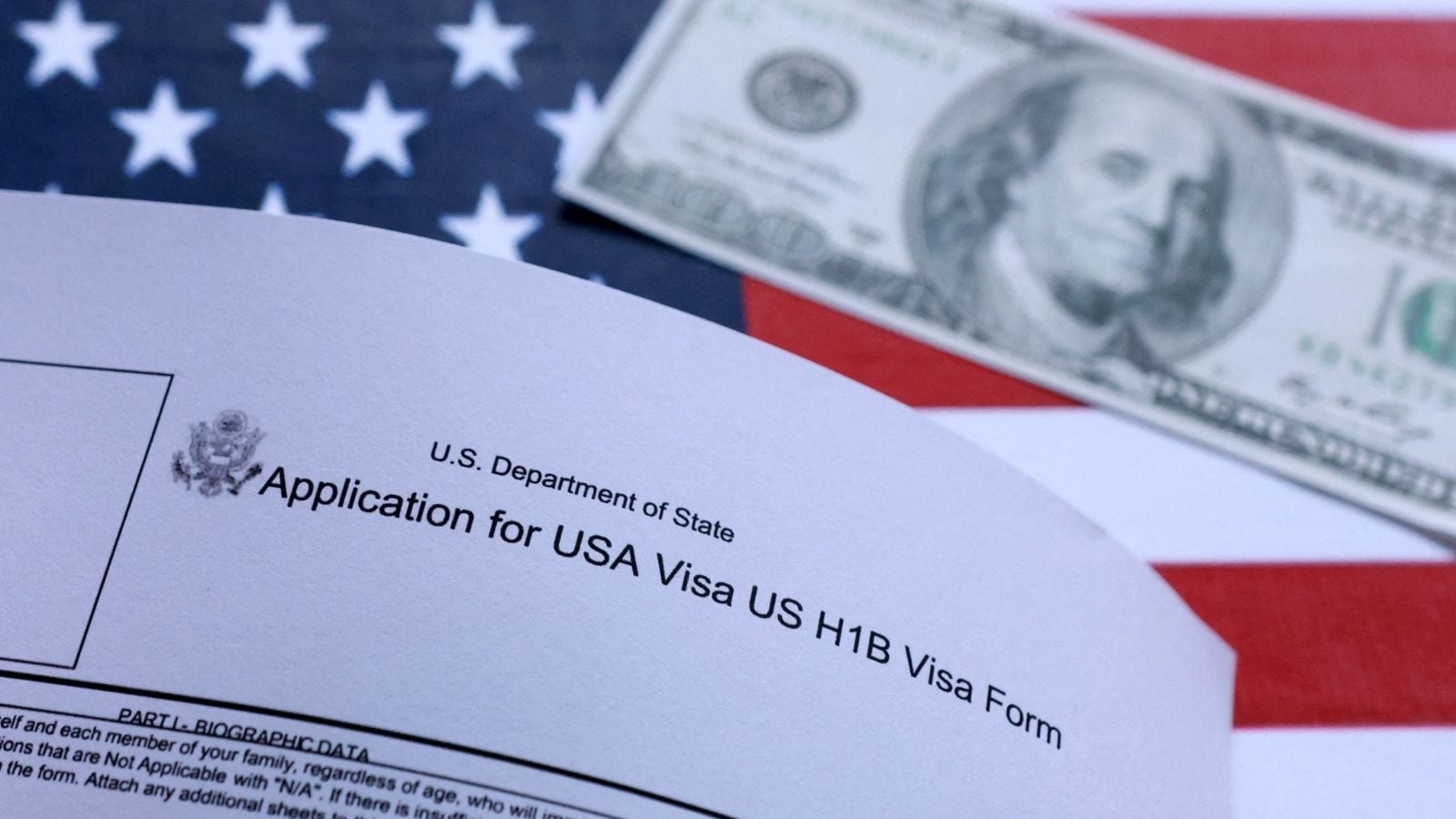
Regulatory penalties in United States immigration policy have historically functioned as administrative overhead rather than strategic deterrents. For decades, the financial exposure associated with willful noncompliance under the H-1B specialty occupation program remained capped at nominal thresholds—frequently $5,000 to $35,000 per infraction. For high-volume staffing entities and corporate sponsors operating within low-margin labor arbitrage models, these legacy fines represented an acceptable cost of doing business. The introduction of the H-1B Visa Fraud Crackdown Act alters this economic equation by restructuring the penalty matrix. By scaling maximum civil penalties to $250,000 and expanding operational debarment periods to a decade, the proposed legislation shifts enforcement from a compliance tax to an existential enterprise risk.
Understanding the structural mechanics of this policy shift requires examining the two primary vectors of regulatory exposure targeted by lawmakers: willful program misrepresentation and the deliberate displacement of domestic labor. Read more on a connected issue: this related article.
The Anatomy of the Penalty Escalation Matrix
The legislative architecture relies on a tiered risk model designed to penalize intentional labor market distortion.
Covered Willful Program Violations
Under current statutory limits, employers found guilty of willful misrepresentation regarding job duties, wage discrepancies, or failure to meet mandated prevailing wage obligations face maximum civil penalties of $5,000 alongside a minimum two-year sponsorship ban. The proposed framework increases the ceiling to $100,000 and extends the baseline debarment floor to five years. This escalation eliminates the financial viability of systemic wage undercutting, where marginal cost savings from suppressed salaries historically outpaced minor regulatory fines. Additional reporting by Business Insider explores comparable views on this issue.
Willful Displacement Infractions
The most severe financial exposure targets instances where sponsorship violations directly result in the displacement of U.S. workers. The current maximum penalty of $35,000 and a three-year sponsorship restriction fail to capture the economic delta of displacing domestic engineering or analytical talent. By elevating the maximum civil penalty to $250,000 and anchoring the minimum sponsorship ban at ten years, the statute introduces a penalty magnitude that forces corporate legal departments to completely re-evaluate third-party vendor dependencies.
The Structural Vulnerability of Intermediary Labor Models
The legislative intent focuses heavily on mitigating structural exploitation within the secondary consulting tier, frequently identified as IT staffing "body shops". Traditional corporate users maintain direct compliance controls, whereas multi-layered subcontracting models introduce opacity into the employer-employee relationship.
When an organization operates through extended vendor chains, the visibility of actual job functions diminishes. Staffing intermediaries frequently place visa holders on unbillable bench time, engage in unauthorized wage adjustments, or deploy personnel to unlisted client sites. Under the revised enforcement parameters, a single systemic audit revealing widespread misrepresentation across multiple placements transforms from an operational nuisance into a catastrophic capital liability. A ten-year prohibition on sponsoring foreign national talent effectively liquidates the operational capacity of any staffing firm reliant on international labor flow.
Downstream Operational Adjustments for Enterprise Sponsors
While the statutory changes remain pending legislative review, risk-averse enterprise sponsors are already modifying internal governance frameworks to insulate operations against future liability.
Audit Rigor and Prevailing Wage Alignment
Corporate immigration compliance can no longer remain siloed within human resources. Legal teams are instituting rigorous internal audits to verify that job classifications precisely match the duties executed on the ground. Because Department of Labor enforcement agencies rely on verifiable discrepancy reporting, organizations are tightening alignment between LCA (Labor Condition Application) filings and actual payroll outputs.
Consular Scrutiny and Documentation Chains
Even prior to formal enactment, heightened regulatory signaling alters the behavior of consular officers and adjudication bodies. Petitioners face deeper interrogation regarding end-client letters, Statement of Work (SOW) verification, and direct supervision structures. Vague project timelines or unverified vendor hierarchies invite immediate Requests for Evidence (RFEs) or administrative processing holds. Sponsoring entities must transition from reactive document collection to proactive evidentiary defense, ensuring every petition withstands rigorous scrutiny regarding organizational necessity.
The strategic imperative moving forward requires corporate sponsors to decouple foreign national hiring from high-risk arbitrage models. Organizations must treat immigration compliance not as an administrative formality, but as an enterprise-critical risk vector where operational precision directly dictates corporate continuity.
This video provides a concise overview of the newly proposed H-1B visa legislation and its core provisions regarding employer fines and sponsorship bans.