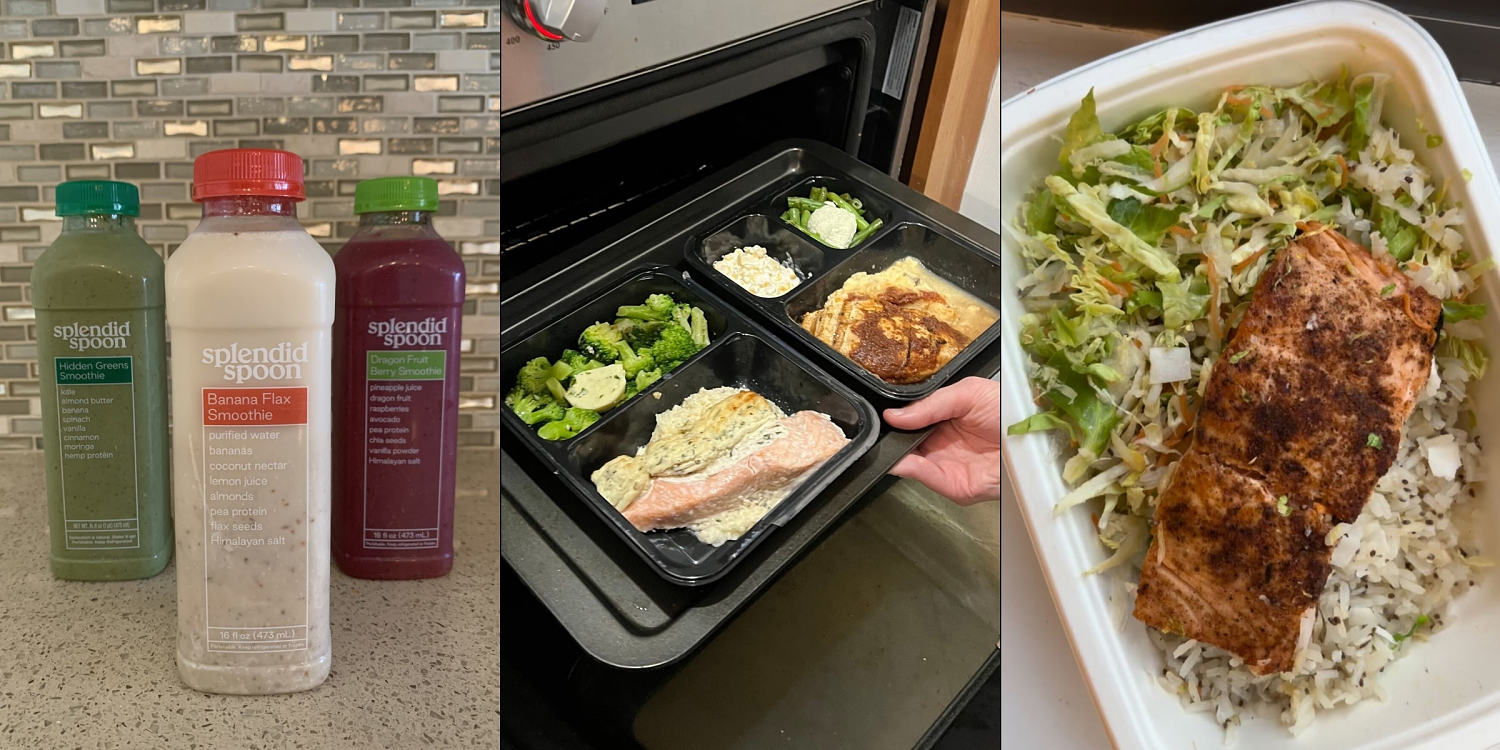
The consumer decision to outsource meal preparation to delivery services is frequently marketed as a simple trade-off between time and money. This binary framework is flawed. Deciding to utilize prepared meal services requires a multi-variable optimization problem involving direct capital expenditure, time allocation efficiency, caloric yields, and the hidden costs of food waste. Most consumer assessments fail because they evaluate these services solely on a price-per-meal basis against grocery store receipts, omitting the structural inefficiencies of home cooking.
To accurately evaluate the utility of prepared meal delivery services, consumers must look at the total cost of consumption. This model accounts for the raw ingredients, the procurement time, the preparation energy, the clean-up overhead, and the financial drag of unused ingredients that spoil. Read more on a connected topic: this related article.
The Core Value Mechanics of Outsourced Nutrition
Prepared meal delivery services operate on three primary vectors of optimization: supply chain consolidation, micro-portioning efficiency, and cognitive offloading.
Standard grocery shopping forces the consumer to act as their own supply chain manager, procurement officer, and prep cook. This model introducing a high rate of waste. Grocery store packaging sizes rarely align perfectly with the volumetric requirements of a single recipe. A consumer requiring two stalks of celery is forced to purchase an entire bunch, establishing a baseline of predictable waste. Additional analysis by The Spruce highlights related views on this issue.
Prepared meal platforms mitigate this through industrial-scale micro-portioning. By consolidating ingredient procurement and processing at centralized fulfillment centers, these services convert variable waste costs into fixed, predictable per-meal pricing. The consumer shifts from paying for gross raw inventory to paying exclusively for net consumed inventory.
The structural utility of these services depends on three operational pillars.
- Caloric and Macro Precision: The strict measurement of macronutrients eliminates the variance found in home-poured portions, stabilizing dietary inputs for specific health outcomes.
- Time Reallocation Potential: The reduction of the food pipeline—from procurement through sanitization—down to a single heating cycle yields discrete blocks of reclaimed time.
- Decisional Fatigue Mitigation: Eliminating the daily cognitive load of menu planning prevents the high-friction decisions that frequently lead to expensive, low-nutrition impulse purchases.
The Cost Function of Home Cooking Versus Subscription Models
To determine if a prepared meal service provides a net positive return, one must calculate the threshold where the subscription cost intersects with the consumer's opportunity cost of time.
Consider the standard baseline formula for a home-prepared meal:
$$Total\ Cost = Ingredient\ Cost + (Time \times Opportunity\ Cost\ of\ Time) + Waste\ Factor$$
In this equation, ingredient cost is highly variable based on geographic location and inflation. The waste factor represents the annualized dollar value of discarded food, which averages roughly 20 to 30 percent of total household grocery purchases. The critical variable is the opportunity cost of time, calculated using the individual’s net hourly earning capacity or their subjective valuation of leisure time.
Prepared meal services remove the time and waste variables, replacing them with a fixed premium:
$$Subscription\ Cost = Base\ Price\ Per\ Meal + Delivery\ Fees$$
When the individual’s opportunity cost of time exceeds the premium charged by the service, home cooking becomes financially inefficient. For example, if a meal service charges $13 per serving, and home cooking requires 45 minutes of total labor (shopping, cooking, clean-up) alongside $6 in raw ingredients, the break-even hourly time value is $9.33. Anyone whose time is valued above this threshold loses capital by cooking at home, assuming equal nutritional parity.
Structural Taxonomy of the Meal Delivery Ecosystem
The market has bifurcated into distinct service models, each targeting a specific operational bottleneck in the household economy. Selecting the wrong model introduces friction and sub-optimal resource allocation.
Fully Prepared Heat and Eat Models
These services represent the maximum possible outsourcing of labor. Meals arrive fully cooked, chilled or frozen, requiring only thermal energy to reach consumption readiness.
- Primary Mechanism: Absolute minimization of time friction.
- Systemic Limitation: The secondary thermal cycle (reheating) alters the structural integrity of certain proteins and complex carbohydrates, occasionally degrading palatability.
- Ideal Cohort: High-earning individuals with near-zero discretionary time or strict, non-negotiable macronutrient requirements.
Ingredient Kit Models
These services occupy the middle tier, outsourcing the menu design, ingredient sourcing, and portioning, while leaving the physical labor of cooking to the consumer.
- Primary Mechanism: Elimination of procurement time and ingredient waste while preserving the sensory benefits of freshly prepared food.
- Systemic Limitation: Requires a persistent commitment of time (30 to 60 minutes per cycle) and maintains the clean-up overhead of traditional cooking.
- Ideal Cohort: Households seeking to build culinary skills or those who view the act of cooking as a leisure activity rather than labor, yet want to eliminate the friction of ingredient sourcing.
Operational Limitations and Systemic Vulnerabilities
No service model operates without systemic trade-offs. The optimization of time introduces secondary liabilities that consumers must manage actively.
The primary vulnerability is packaging overhead. The reliance on single-use plastics, insulation panels, and gel ice packs creates a significant volume of household waste. While many providers have shifted toward recyclable plastics or water-soluble gel packs, the burden of processing this waste stream falls entirely on the consumer.
The second limitation involves the homogenization of flavor profiles. Centralized production facilities design menus to appeal to broad demographic cross-sections. This requires stabilizing spice levels, sodium content, and acidity. Over extended durations, consumers frequently report sensory fatigue, leading to a breakdown in subscription adherence and a return to impulse dining.
Furthermore, subscription rigidity presents an economic bottleneck. Most platforms operate on weekly renewal cycles with fixed delivery windows. Disruptions to a consumer's schedule—such as unscheduled travel or social dining obligations—create an immediate backlog of perishable inventory, rapidly reversing the waste-mitigation benefits of the service.
Framework for Service Optimization and Selection
To maximize the ROI of a meal delivery subscription, deploy a systematic audit across a 14-day trial window.
- Quantify the Time Deficit: Log every minute spent on food-related tasks for one week, including impulse trips to local markets and clean-up. Multiply this total duration by your target hourly value to establish your baseline time expenditure.
- Execute a Waste Audit: Weigh and value all food discarded at the end of the week. This establishes the hidden cost of your current grocery procurement habits.
- Analyze Delivery Reliability Vectors: Evaluate the transit infrastructure of the chosen provider. A service that experiences consistent delivery delays or temperature excursions below safe thresholds introduces biological risk and invalidates the economic model.
- Assess Nutritional Alignment: Verify that the ingredient quality matches the stated macro targets. Avoid services that rely on heavy sodium loads or processed emulsifiers to preserve shelf-life, as this trade-off compromises long-term biological health for short-term convenience.
Shift the subscription volume dynamically. Rather than adopting an all-or-nothing approach, deploy prepared meals tactically to cover the highest-friction segments of the week—typically mid-week lunches and late-night dinners—while leaving weekends open for low-stress, traditional grocery procurement and scratch cooking. This hybrid approach captures the maximum time-saving utility while preventing the sensory fatigue inherent to fully outsourced dietary regimes.