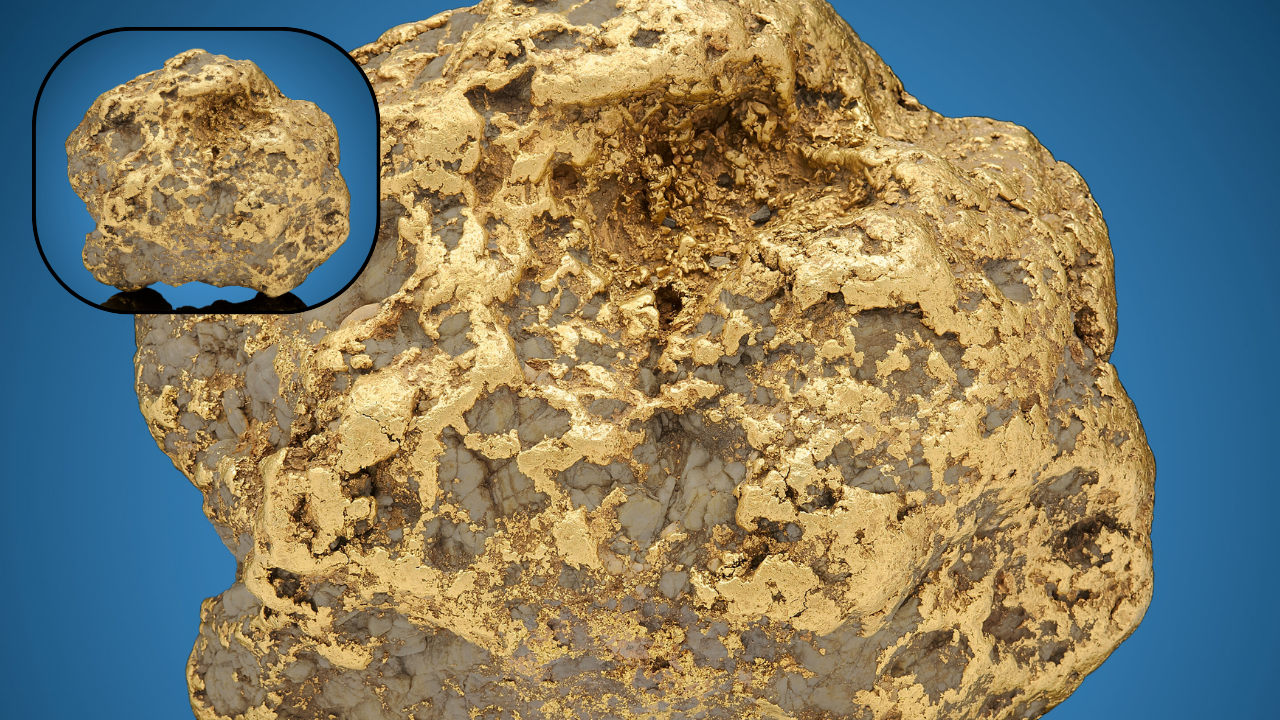
Precious metal asset valuation is rarely a direct function of spot commodity pricing. When an Alaska miner recovered a 294.1-ounce gold nugget in 1998, the baseline value was tethered to the prevailing market quotation for troy ounces of raw bullion. Yet twenty-three years later, that same physical asset transacted for $750,000. This divergence between intrinsic commodity value and final realization price highlights the mechanics of illiquid luxury asset markets, holding periods, and the compounding effects of scarcity premiums.
Analyzing this transaction requires separating the underlying asset into distinct economic drivers: raw weight, provenance, physical morphology, and liquidity constraints. The market for large, unrefined gold specimens operates entirely outside standard commodity exchanges. Understanding why an object appreciates at a rate vastly outpacing standard inflation requires examining the structural inefficiencies of high-end mineral transactions. For another view, read: this related article.
The Valuation Disconnect Between Bullion and Specimens
Commodity gold is valued strictly by mass and purity. A troy ounce of gold trades on global exchanges with near-zero transaction friction, immediate liquidity, and standardized pricing. Mineral specimens, however, are governed by aesthetic and historical variables that disrupt standard pricing models.
When a miner extracts a multi-hundred-ounce nugget, the object ceases to be a pure raw material and becomes a collector item. The pricing function shifts from an open-market weight calculation to a specialized auction dynamic where supply is permanently fixed and demand is concentrated among high-net-worth collectors and museums. Related reporting on this trend has been provided by Financial Times.
[Raw Commodity Pricing] -> Melt Value = Weight × Spot Price
[Specimen Pricing]      -> Market Value = Melt Value + [Scarcity Premium × Provenance Multiplier]
This structural shift introduces high valuation volatility. Unlike a liquid equity or a standardized futures contract, a massive gold nugget lacks a continuous market. Price discovery occurs infrequently, often separated by decades. Consequently, the transaction price reflects the subjective urgency of a single buyer meeting a single seller at a precise moment in time, rather than a continuous market-clearing equilibrium.
The Carrying Cost of Illiquid Physical Assets
Holding a physical asset for twenty-three years incurs hidden economic friction that directly impacts net realized yield. While raw gold does not decay, storing, securing, and insuring a multi-pound precious metal object generates continuous overhead.
The holding cost function includes several components:
- Security Expenditure: High-value physical specimens require specialized insurance riders and secure off-site vault storage, preventing the asset from generating compounding yield or passive income during the holding period.
- Opportunity Cost of Capital: Capital locked in an illiquid mineral specimen cannot be deployed into productive, yield-generating instruments such as equities, fixed income, or operating businesses.
- Transaction Friction: Realizing the value of a unique mineral specimen requires specialized auction houses, authentication fees, and significant commissions that can consume ten to twenty percent of the gross sale price.
When calculating the annualized return on the 1998 find, these carrying costs significantly compress the nominal capital gain. A headline sale price of $750,000 must be adjusted downward for decades of custodial overhead and the time value of money.
Provenance and Geographic Scarcity as Value Multipliers
The origin of a mineral specimen dictates its ceiling in collector markets. Gold discovered in traditional, high-profile historical districts commands a geographic premium. Alaska possesses a distinct brand equity in mineral extraction, tied directly to the Klondike folklore and early industrial mining history.
Provenance acts as an institutional amplifier for value. A nugget with documented discovery coordinates, verifiable chain of custody, and media integration carries informational transparency that anonymous bullion lacks. Buyers in the high-end mineral space pay for risk mitigation. Provenance reduces the probability of metallurgical alteration, artificial enhancement, or fraudulent sourcing.
Furthermore, large surviving nuggets are exceptionally rare because economic miners traditionally melted down massive finds to simplify transport and liquidate holdings immediately. Every large nugget that escapes the smelter becomes part of a shrinking global inventory. As the total volume of intact multi-ounce specimens decreases through accidental loss, industrial processing, or private hoarding, the remaining inventory experiences a steep upward supply curve adjustment.
Market Liquidity and Exit Strategy Constraints
The primary structural risk in alternative asset classes is the absence of market depth. When an owner decides to monetize a rare mineral specimen, the pool of potential counterparties is severely constrained.
Unlike liquid equities where millions of shares trade daily, a unique gold nugget requires a targeted marketing campaign directed at ultra-high-net-worth mineral collectors or natural history institutions. This creates a protracted liquidation timeline. Sellers cannot exit positions instantly without accepting massive valuation discounts.
The twenty-three-year holding period observed in this Alaska case study is not an anomaly; it is a structural necessity of illiquid asset management. Achieving a premium valuation requires waiting for a market cycle where collector liquidity aligns with trophy asset availability. Forced liquidations in this asset class routinely result in severe capital destruction.
Strategic Takeaways for Alternative Asset Collectors
Evaluating mineral specimens as investment vehicles requires discarding traditional portfolio management assumptions.
- Treat Physical Assets as Call Options on Scarcity: Do not expect cash flow or predictable appreciation curves. Value realization depends entirely on structural supply contraction and the entrance of discretionary capital into niche collector segments.
- Account for Total Cost of Ownership: Factor in continuous insurance, secure storage, and eventual auction fees before calculating projected net margins.
- Prioritize Documentation: The difference between a raw lump of metal and a high-value collector piece lies entirely in verifiable provenance, origin history, and physical preservation. Without institutional documentation, large specimens risk being priced closer to melt value.
The multi-hundred-ounce Alaska discovery demonstrates that extreme physical rarity commands a substantial premium over spot commodity prices, provided the owner possesses the capital patience required to navigate an illiquid, event-driven market.