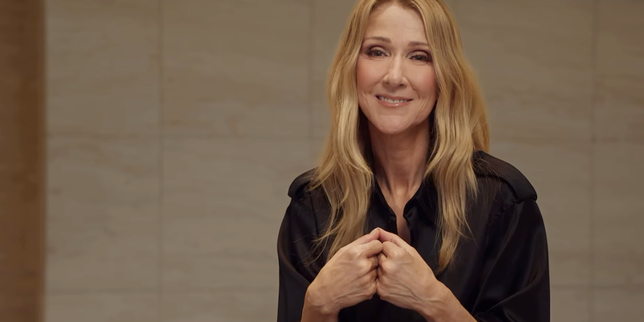
Céline Dion’s announcement of a ten-date residency at Paris’s La Défense Arena represents a shift from traditional touring logistics toward a high-margin fixed-asset performance model. While fan sentiment focuses on the emotional narrative of her recovery from Stiff Person Syndrome (SPS), the strategic underpinning of this move addresses three critical operational constraints: physiological risk management, capital expenditure optimization, and the scarcity-premium pricing of live entertainment. This residency is not merely a comeback; it is a calculated risk-mitigation strategy designed to maximize revenue while minimizing the physical toll of international travel.
The Residency Framework vs. The Global Tour
The standard global tour operates on a variable-cost heavy structure. Each new city introduces venue rental fees, local labor union costs, transport logistics for hundreds of tons of equipment, and hotel expenditures for a massive crew. By anchoring ten dates in a single venue—the largest indoor arena in Europe—Dion’s management transitions the operation into a fixed-cost environment.
This shift creates a specific economic advantage: Amortized Production Costs. In a traditional tour, the "load-in" and "load-out" costs (the time and labor required to build and strike a stage) are incurred at every stop. In a residency, these costs are incurred once. The stage design, lighting rigs, and sound engineering stay calibrated to the specific acoustics of La Défense Arena for the duration of the run. This stability allows for a more complex technical production that would be too fragile or expensive to move every 48 hours.
Physiological Risk Mitigation as a Business Necessity
The announcement follows a prolonged hiatus necessitated by SPS, a neurological disorder characterized by muscle stiffness and spasms. From a project management perspective, SPS introduces a high degree of "unpredictability risk."
A multi-city tour relies on a rigid schedule. A single cancellation due to a health flare-up triggers a domino effect of insurance claims, venue rescheduling conflicts, and massive fan disappointment. By choosing a residency, the team builds "slack" into the system. The logistical burden of moving a performer with a chronic condition is removed. Dion remains in one location, allowing for a controlled environment regarding climate, medical support, and recovery time between shows.
The residency model functions as a physical hedge. It replaces the exhaustion of travel with a localized routine, increasing the probability of a successful, uninterrupted run of performances.
Revenue Density and the Scarcity Engine
Ten dates at La Défense Arena, which can hold up to 40,000 spectators for concerts, represents a total capacity of approximately 400,000 tickets. By concentrating the demand of the entire European market into a single city, the promoters trigger a "scarcity premium."
Fans from across the continent are forced to travel to Paris, effectively shifting the travel costs from the artist to the consumer. This creates a secondary economic impact:
- VIP and Tiered Pricing Dominance: In a fixed location, the venue can be more aggressively "upsold." Luxury suites, pre-show hospitality packages, and "experience" bundles are easier to manage and staff consistently over a multi-night run than they are on the road.
- Merchandise Velocity: Static retail locations within the arena allow for higher volume sales and more sophisticated inventory management compared to mobile "pop-up" stands used in touring.
- Dynamic Pricing Integration: The concentration of demand allows for real-time adjustments in ticket pricing based on market velocity. With only ten dates available for a global icon, the ceiling for ticket prices in the secondary and "platinum" primary markets is significantly higher than it would be if she were playing 50 dates across Europe.
The Multiplier Effect of the Paris Brand
Selecting Paris over other global hubs like London or Berlin is a strategic alignment with Dion’s dual-market dominance. As a Francophone icon, her brand equity in France is unparalleled. However, Paris also serves as a central hub for international "event tourism."
The residency utilizes the city's infrastructure to draw high-net-worth individuals from North America and Asia, who view the trip as a lifestyle acquisition rather than just a concert attendance. The "Parisian Residency" becomes a luxury product, similar to a high-fashion runway event or a Michelin-starred dining experience. The cultural synergy between Dion’s prestige and the Parisian identity allows for higher entry prices that the market would resist in less "glamorous" locations.
Structural Vulnerabilities in the Residency Strategy
No high-reward strategy exists without significant bottlenecks. The primary vulnerability here is Single-Point Failure.
In a tour, if one venue becomes unavailable, the other 39 dates still generate revenue. In a residency, the entire financial structure is tied to one building. Any localized issue—be it a labor strike in Paris, a technical failure at La Défense, or a health setback that prevents Dion from performing—threatens 100% of the projected revenue for that period.
Furthermore, the "Destination Fan" model assumes that the consumer's desire to see the artist outweighs the rising costs of flights and accommodation in a post-inflationary economy. There is a saturation point where the total cost of attendance (Ticket + Flight + Hotel) exceeds the perceived value, particularly for the middle-class demographic that forms the backbone of her fan base.
The Logistics of Professional Longevity
The shift toward residencies by legacy artists like Adele, U2, and now Dion, signals a broader trend in the music industry: the "Vegas-ification" of global superstars. The industry is moving away from the "road warrior" ethos toward a "destination residency" model.
For Dion, this is the only logical path forward. It respects the biological reality of her condition while maintaining the massive scale required to fund her high-budget stage productions. This ten-show run serves as a pilot program. If the operational stresses are manageable and the revenue per seat hits the projected targets, this will likely become the permanent template for her career moving forward.
The immediate tactical move for stakeholders is the aggressive expansion of the "ancillary experience" market. Since the audience is captive in Paris for multiple days, the opportunity exists to monetize their stay through Dion-branded pop-up exhibitions, retail collaborations with French luxury houses, and exclusive "after-party" venues. The revenue goal is no longer just the ticket price, but the total "wallet share" of the fan's 48-hour stay in the city.
The success of these ten nights will be measured not just by vocal performance, but by the efficiency of the "one-roof" economic model in a high-risk health environment.