Silence.
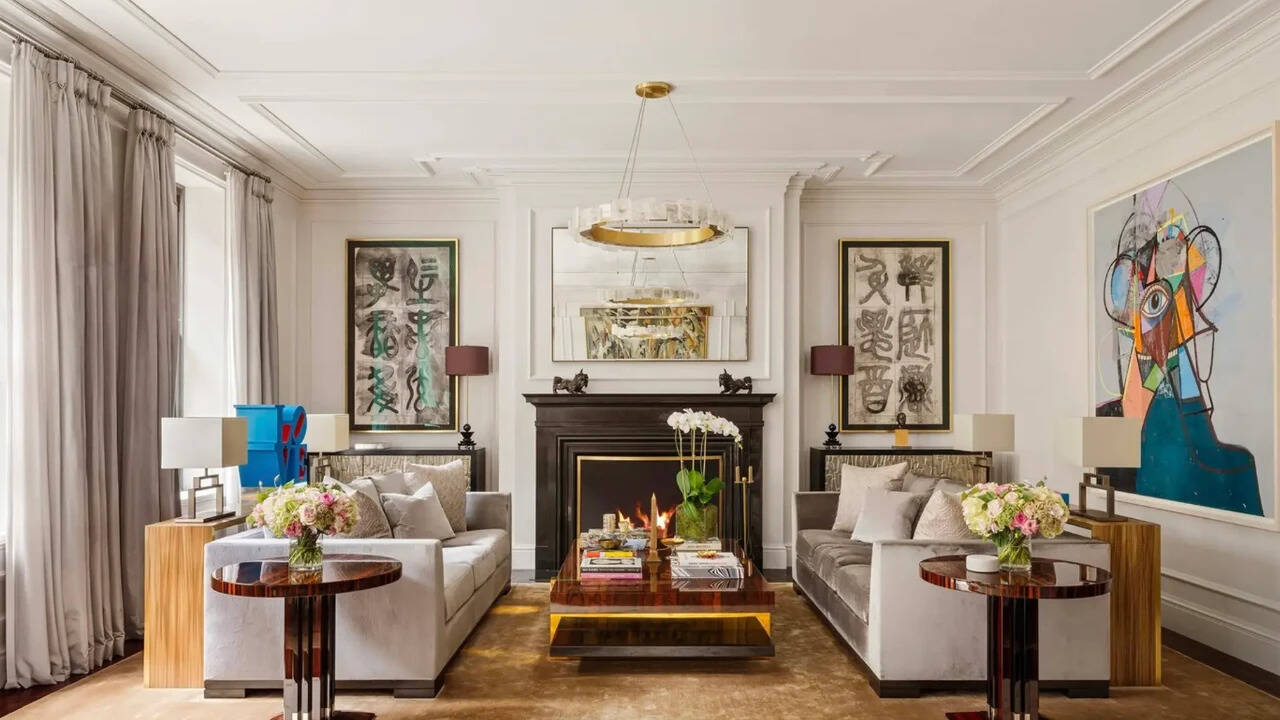
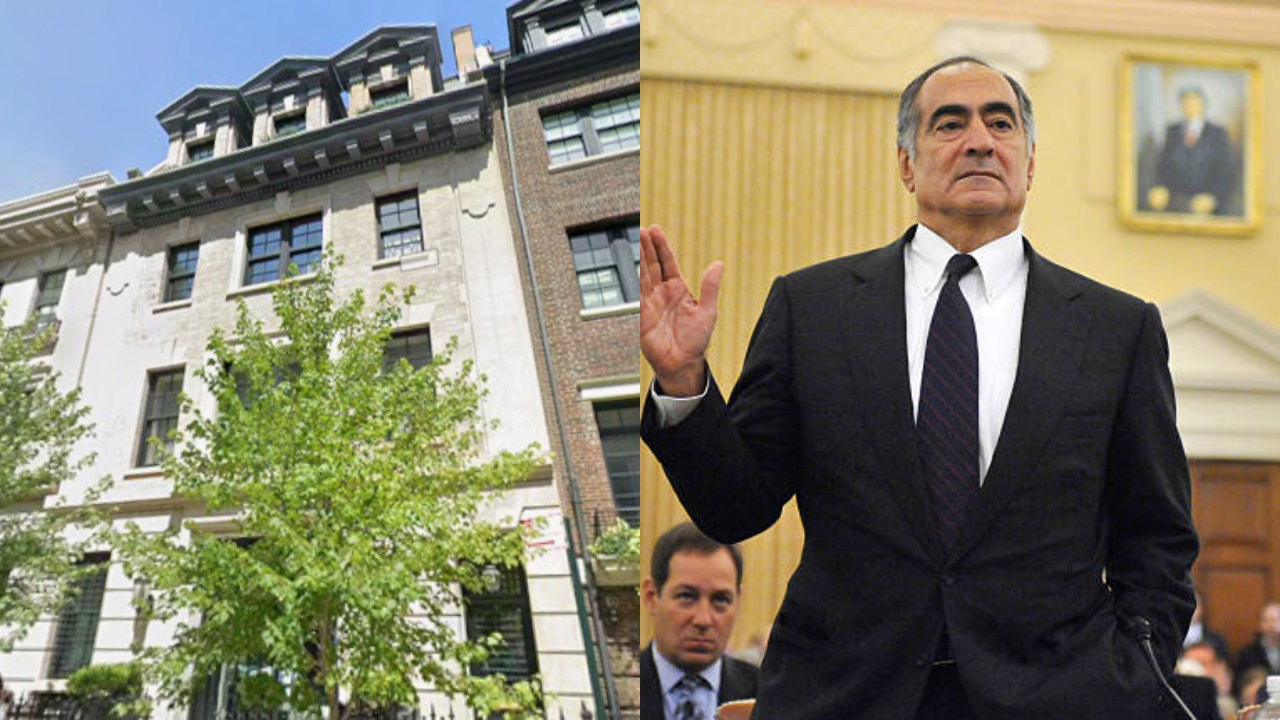
That is the first thing you notice when you step out of the Manhattan traffic and onto a quiet stretch of the Upper East Side on a Tuesday afternoon, where the roar of buses gives way to the dry rustle of plane trees and the faint click of a dog walker's brass clip. A grand mansion sits behind wrought iron, looking from the sidewalk like any other trophy of Gilded Age ambition—all limestone dignity, tall windows catching the pale sky, and a brass plaque polished to a dull sheen. Yet behind that polite facade lies a rumor of reinforced steel, acoustic isolation, and an asking price of eighty million dollars that could push the property to the very top of the neighborhood's record books.
Money has always bought space in New York. Lately, it has started buying something stranger.
In a city built on density, friction, and constant collision, an eighty-million-dollar listing is never just a real estate transaction. It is a mirror held up to power, anxiety, and the shifting definition of safety at the very peak of finance. When a Wall Street titan puts a bulletproof mansion on the market at a price that tests the ceiling of the neighborhood, the story isn't merely about square footage or marble slabs. It is about what happens when wealth grows so large that the outside world starts feeling less like a playground and more like a threat.
I have spent years covering luxury real estate and watching how wealthy buyers rationalize extreme spending, and I still find myself hesitating whenever a price tag crosses into stratospheric territory. Part of me wonders whether eighty million dollars for a single residence—even one fortified like a vault—is shrewd capital preservation or an expensive monument to paranoia. That tension is real, and pretending it is simple would be dishonest.
The Architecture of Fear Behind Limestone
To understand why a Wall Street figure would pour millions into hardening a home on the Upper East Side, it helps to separate the romance of townhomes from the mechanics of security. For decades, a classic Manhattan mansion stood for arrival. You bought history, high ceilings, a private garden out back, and proximity to Central Park, then invited friends over for dinner while the city hummed outside.
Bulletproofing changes the psychological contract of a house. Glass that looks like ordinary architectural glazing from the street may conceal laminated polycarbonate layers engineered to stop high-velocity rounds rather than just street noise. Entry doors may hide heavy steel cores and multi-point locking hardware inside traditional wood paneling. Air filtration systems, reinforced safe rooms, and perimeter cameras turn a family home into an island that can seal itself off if trouble arrives at the gate.
Consider what happens next when a buyer builds that kind of fortress in the middle of one of the world's most crowded cities: the house stops feeling like a welcoming hearth and starts feeling like a bunker with chandeliers.
Let's use a hypothetical scenario to make the human trade-off concrete. Imagine a fictional hedge fund manager named Arthur—not the real seller, just a composite sketch of the pressures people in that bracket face. Arthur has spent twenty years reading risk models, pricing tail events, and profiting from volatility. When his name appears in financial headlines tied to a controversial trade or a sharp market drawdown, the risk stops living on a spreadsheet. Suddenly, a delivery driver lingering outside feels different. A stranger taking photos near the stoop triggers a knot in his stomach. Paying extra for ballistic glass and reinforced walls isn't about showing off at that point; it is about buying a few hours of quiet sleep when your public profile carries a target.
That is the hidden stake behind the headline. Wealth creates leverage, yet extreme visibility strips away anonymity. You can hire bodyguards, ride in tinted SUVs, and live behind reinforced steel, and still feel trapped by the very fame or fortune that paid for the walls.
When Eighty Million Becomes a Neighborhood Benchmark
In Manhattan real estate, price records do more than measure what one buyer is willing to pay. They reset the compass for everyone else on the block.
When a property on the Upper East Side is listed at eighty million dollars—with the potential to become the neighborhood's priciest sale—brokers, appraisers, and rival owners watch every move. Even if a mansion ultimately sells for less than its asking price, as luxury listings frequently do after months of negotiation, the initial number anchors expectations. It tells sellers across the avenue what "trophy" means today, and it signals to buyers how much they must pay to claim a piece of scarce land.
Why does a single-family home command numbers that rival entire commercial portfolios?
Scarcity is part of it. True detached or semi-detached mansions with generous footprints on prime Upper East Side blocks are finite; you cannot manufacture more historic lots between Fifth and Lexington. Renovation costs are another piece. Gutting an older Manhattan structure, upgrading mechanicals, meeting landmark rules, and weaving in high-grade security without ruining the architecture requires years of permitting and millions in specialized labor.
Yet math alone rarely explains eighty million dollars. At that altitude, pricing is a negotiation between ego, utility, and timing. A Wall Street titan who has made billions in markets understands liquidity, interest rates, and carrying costs better than almost anyone. Listing a fortified mansion at eighty million isn't a sign of carelessness; it is often a calculated test of how much value the market assigns to turnkey privacy and heavy-duty protection.
Think of it like a heavy vault door installed inside a classic library. A metaphor helps clarify the contrast: the books promise open curiosity and shared culture, while the steel door promises survival if the lights go out. A house that combines both speaks to a buyer who wants the prestige of New York high society without surrendering control over their own perimeter.
The Invisible Stakes of Fortress Living
There is an irony at the heart of bulletproof luxury that rarely makes the glossy brochures. The more fortification you add, the harder it becomes to live casually inside the space you bought.
I have walked through high-end residences where every window was sealed tight for climate and sound control, leaving no casual way to throw open a sash and smell the rain on the pavement. When security becomes the organizing principle of a home, every arrival requires protocol. Guests wait for clearance, packages are screened, and children learn rules about doors and cameras that most kids never think about.
Is that safety, or is it a gilded cage?
The honest answer is that it depends on what keeps you awake at night. For someone whose career has made them a lightning rod for protests, stalkers, extortion threats, or intense media scrutiny, physical hardening can feel like basic hygiene rather than excess. A safe room or ballistic barrier doesn't solve every danger—digital threats, financial risks, and personal stress follow you anywhere—but it can buy precious time during a physical breach.
At the same time, there is a quieter cost that is harder to insure. A city thrives on porousness: bumping into neighbors, hearing street life drift up through an open window, feeling part of a shared world rather than peering out from behind armored glass. When the richest players retreat behind eighty-million-dollar walls, the gap between public life and private fortification widens in ways you can feel even if you never step inside.
What This Listing Reveals About Power Now
A real estate listing is a snapshot of a moment. Behind the headline about a Wall Street titan and an eighty-million-dollar Upper East Side mansion sits a broader shift in how power behaves when the world feels volatile.
For much of the late twentieth and early twenty-first centuries, peak Manhattan luxury was measured by height, view, and spectacle—penthouse glass, private elevators, sprawling terraces overlooking the park. Today, while views still matter, resilience and discretion carry a premium of their own. A home that looks calm on the outside while hiding serious defensive engineering inside captures a distinctly modern mood: projecting strength while quietly preparing for the worst.
Whether the property achieves the neighborhood's top price or settles after months of quiet back-and-forth among a tiny pool of ultra-high-net-worth buyers, the listing itself already tells a story. It shows how much money is willing to pay for peace of mind in a noisy world, and how complicated that peace of mind can be once you lock the heavy door from the inside.
Late in the evening on the Upper East Side, after the delivery vans clear out and the streetlamps turn the limestone warm gold, a heavy door clicks shut somewhere behind an iron gate, leaving the city's restless pulse on one side and a quiet, armored stillness on the other.