The pine needles underfoot in the Maine wilderness have a way of swallowing sound. It is a thick, ancient silence that defines the state’s identity. But lately, if you listen closely near the substations or along the high-voltage corridors, there is a new sound. It is a low, persistent hum. It is the sound of a trillion digital transactions, the vibration of "the cloud" seeking a physical home in the cold northern air.
Maine is currently the frontline of a quiet war. On one side stands the insatiable appetite of the global internet; on the other, a group of lawmakers who just pulled the emergency brake. Recently making news in related news: Orbital Decay Dynamics Why Uncontrolled Space Debris Threatens Infrastructure.
In a move that caught the tech industry off guard, Maine legislators recently passed a yearlong freeze on new data center developments. They didn't do it because they hate progress. They did it because they realized that a single data center can consume as much power as a small city, and Maine’s aging electrical grid is already groaning under the weight of a changing climate and rising costs.
The Ghost in the Grid
Consider a hypothetical resident named Elias. He lives in a farmhouse outside of Bangor, a place where the winter wind doesn't just blow—it bites. For Elias, the "grid" isn't an abstract concept discussed in boardrooms. It is the thin wire that keeps his heat running when the temperature drops to -20°F. Further details into this topic are detailed by Engadget.
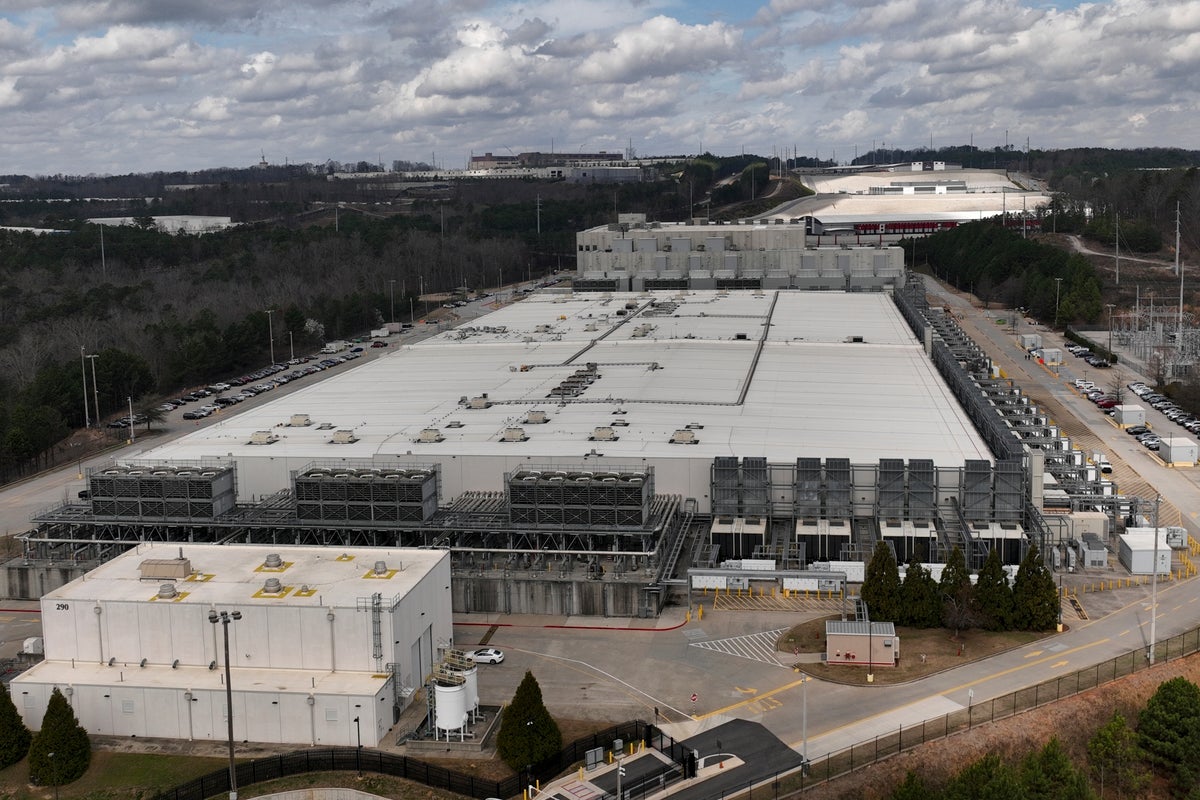
When a massive data center plugs into that same grid, it isn't like adding a new toaster to the neighborhood. It is more like dropping a literal vacuum into the state’s energy reservoir. Data centers are the physical bodies of our digital souls. Every time you stream a movie, every time an AI processes a prompt, a server somewhere gets hot. To keep it from melting, giant fans and cooling systems must run 24/7.
Maine’s appeal to these tech giants is obvious. It’s cold. Why spend millions on air conditioning when you can just open a window to the North Atlantic breeze? But that "free" cooling comes at a hidden price for the locals.
The math is brutal. Data centers require a "base load" of power that never fluctuates. Maine’s energy infrastructure, however, is currently in a delicate transition toward renewables like wind and solar—sources that are, by nature, intermittent. When the sun sets and the wind dies down, but the servers keep spinning, the extra power has to come from somewhere. Often, that means firing up expensive gas plants or pulling power from out of state.
The lawmakers who pushed for the moratorium realized that without a plan, Elias would end up subsidizing the electricity bill of a multi-billion-dollar tech firm through his own rising rates.
A Year of Breathing Room
The freeze isn't a permanent ban. It is a gasp for air.
For the next twelve months, the state will stop accepting applications for these massive facilities. This isn't just bureaucratic red tape; it is a defensive crouch. During this interval, state agencies are tasked with figuring out exactly how many megawatts Maine can spare before the lights start flickering in rural hospitals or schools.
The industry calls this "capacity." The people living near the proposed sites call it "survival."
There is a specific kind of anxiety that comes with living in a "resource colony." For a century, Maine’s woods were harvested for paper. When the mills closed, they left behind hollowed-out towns and massive footprints of industrial land. To a data center developer, an old paper mill is a goldmine. It has the water rights for cooling and the heavy-duty power lines already in place.
But a paper mill employed five hundred people. A data center, once built, might employ thirty.
The trade-off is stark. We are being asked to hand over our most precious resources—land, water, and electricity—in exchange for a handful of high-tech janitorial jobs and a modest bump in property taxes. Lawmakers are finally asking: Is that enough?
The Invisible Thirst
While the electricity usage gets the headlines, the water consumption is the hidden protagonist of this story.
Servers generate an incredible amount of heat. One of the primary ways to dissipate that heat is through "evaporative cooling." Effectively, these buildings sweat. A large-scale data center can cycle through hundreds of thousands of gallons of water every single day.
In a state like Maine, which prides itself on its pristine aquifers and clear lakes, the idea of millions of gallons of water being evaporated to keep a chatbot running feels like a fever dream. The moratorium allows the state to investigate the impact on local water tables. If a data center sucks a well dry during a summer drought, the tech company can afford to truck in water. The local dairy farmer cannot.
We are witnessing a collision between the digital future and the physical past. Our laws were written for a world of factories and farms, not for windowless concrete cubes that process invisible data.
The Moral Weight of a Click
It is easy to blame the politicians for "stalling innovation." It is harder to look at your own phone and realize that we are the ones driving this demand. We want everything to be instant. We want our photos backed up, our videos rendered in 4K, and our AI assistants to answer in milliseconds.
That convenience has a physical weight. It weighs tons. It is made of copper, steel, and silicon.
The resistance in Maine is a signal to the rest of the country. It is a reminder that "the cloud" is a marketing term, a soft and fluffy word designed to make us forget about the hum. By pausing the gold rush, Maine is asserting that its landscape—the real, physical landscape of pine and granite—is worth more than its potential as a server farm.
The legislators are betting that a year of silence is better than a century of regret. They are looking at the empty spaces on the map and realizing that once you fill them with the hum, the silence never truly comes back.
The sun sets over the Penobscot River, casting long, purple shadows across the water. For now, the only sound is the current hitting the rocks. There are no fans. There are no cooling towers. There is only the cold, still air of a state that has decided to wait, to think, and to protect the things that cannot be digitized.
Somewhere in a boardroom three thousand miles away, a map of Maine is pinned to a wall, marked with a red "X." But here, on the ground, the lights in the farmhouses stay on, and the grid holds its breath.