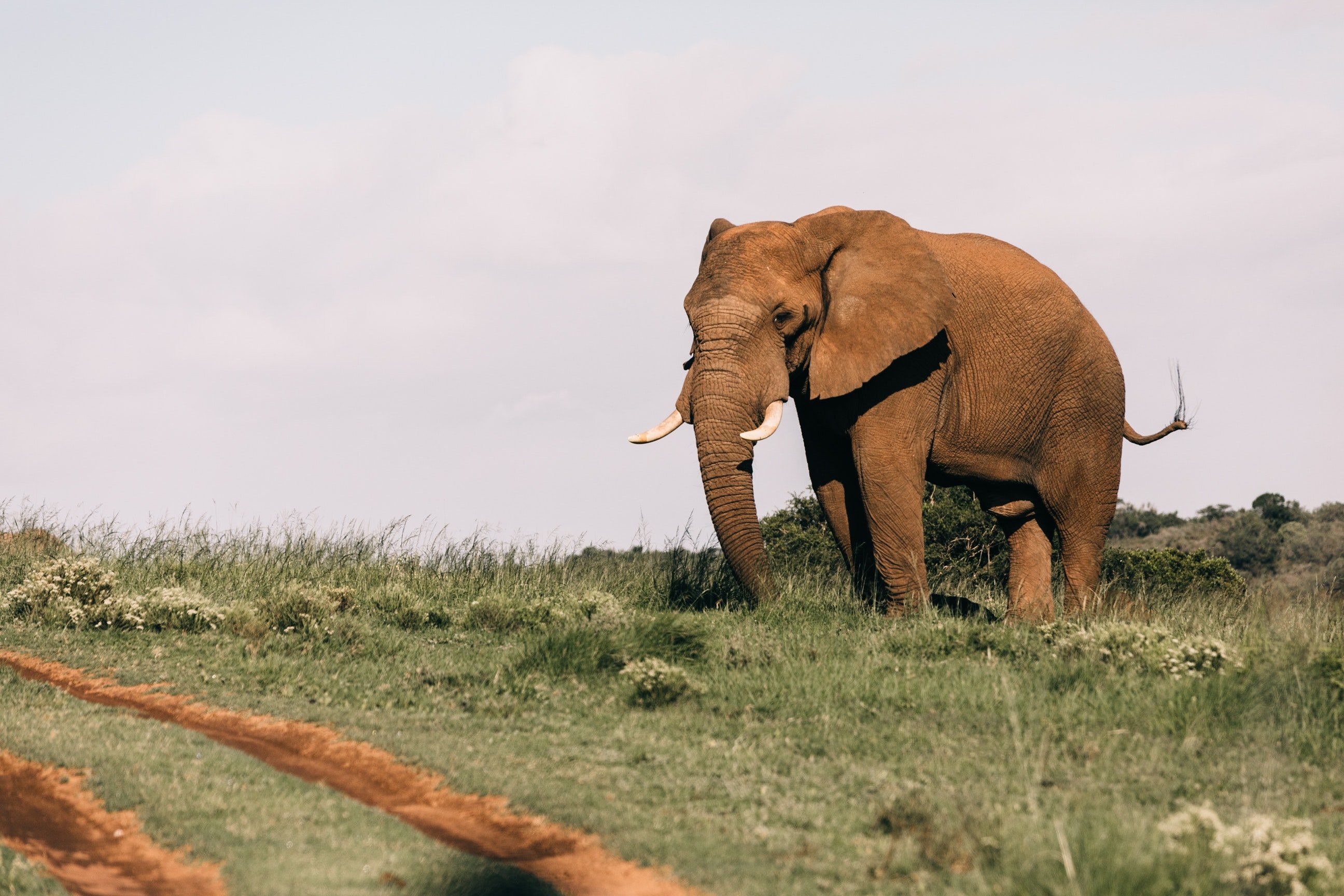
Tokyo in 1949 was a city of gray ash and sharp edges. The war had been over for four years, but the ghosts remained. For the children living in the skeletal remains of the capital, "fun" was a foreign concept, a word that belonged to a different lifetime. They played in rubble. They ate meager rations. Most devastatingly, the Ueno Zoo—once a place of magic—was a graveyard.
During the final years of the conflict, the Japanese military had ordered the destruction of the zoo’s "dangerous" animals, fearing that Allied bombing raids would crack the cages and set lions and bears loose on a panicked population. The elephants, gentle and intelligent, were not spared. They were starved to death because they refused to eat poisoned potatoes. By the time the fires stopped burning, the children of Tokyo had forgotten what a wonder looked like. For another look, consider: this related article.
Then came Indira.
She didn't arrive with a fanfare of trumpets, but she did arrive with a promise. Two Japanese children, a boy and a girl, sat down and wrote a letter. They didn't write to a politician or a general. They wrote to Jawaharlal Nehru, the Prime Minister of India. They told him their zoo was empty. They told him they missed the giants. Similar analysis on the subject has been shared by NBC News.
Nehru, a man navigating the birth of a newly independent nation, could have easily ignored the scribbled plea of two foreign children. He had borders to define and a million crises to manage. Instead, he saw a chance to heal a wound that medicine couldn't touch. He decided to send an elephant. He named her Indira, after his own daughter.
The logistics were a nightmare. This wasn't a digital transfer or a box of supplies. This was fifteen hundred kilograms of living, breathing muscle and soul. Indira had to be transported across an ocean on a freighter, the Enshun Maru, swaying through the waves of the Bay of Bengal and the South China Sea.
Think about the silence of that harbor when the ship finally docked in Tokyo. Thousands of children lined the streets. They didn't have cameras or smartphones. They had wide eyes and held breaths. When the crane lowered the massive wooden crate and the doors swung open, the gray world of post-war Japan suddenly regained its color.
Indira stepped out. She was gray, yes, but a vibrant, living gray. She was a mountain that moved.
For the Japanese people, this wasn't just about biology. It was about the fact that someone, somewhere, still cared about their joy. India was a country that had suffered under colonialism, yet here it was, reaching out to a defeated nation with a gift of pure life. It was a diplomatic masterstroke wrapped in rough skin and a swinging trunk.
The impact was immediate and staggering. In her first year at the Ueno Zoo, over eight hundred thousand people came to see her. They didn't just look; they wept. They brought her fruit they couldn't afford to eat themselves. Indira became a living symbol of the "Jumbo" spirit—a resilience that refused to be crushed by the weight of history.
She lived in Tokyo for decades, growing old alongside the children who had first greeted her. She saw the wooden shacks replaced by neon skyscrapers. She saw the hunger fade into the roar of the economic miracle. But she remained a constant, a tether to a moment when the world decided to be kind instead of cruel.
There is a specific kind of magic in an elephant’s eye. If you stand close enough, you realize they are observing you just as much as you are observing them. They carry a sense of ancient memory. For the survivors of the Tokyo firebombings, looking into Indira’s eyes was a way to process a grief that was too large for words. If this giant creature could cross an ocean to be their friend, perhaps the world wasn't as broken as it seemed.
The story of the "Jumbo" gift reminds us that the most effective diplomacy doesn't happen in air-conditioned boardrooms or through signed treaties. It happens in the dirt of a zoo enclosure. It happens when a leader realizes that a child’s smile is a more stable foundation for peace than a thousand tanks.
Decades later, when Indira finally passed away, the mourning in Japan was national. She wasn't just an animal; she was a member of the family. She was the one who taught a generation how to wonder again.
We often think of history as a series of battles and power shifts. We track the rise and fall of currencies and the movement of borders. But the real history of the human race is written in the small, seemingly insignificant gestures that bridge the gaps between us.
An elephant walked through the ruins of Tokyo and, in doing so, she trampled the resentment of a war. She proved that even when the world is reduced to ash, the impulse to give—and the capacity to receive—is the only thing that can truly rebuild a city.
The cage was open, the children were cheering, and for the first time in a decade, the air in Tokyo didn't smell like smoke. It smelled like hay, and life, and a future that had finally begun.