Every time a hurricane tracks toward the Gulf Coast, the playbook is identical. Cable news anchors hyperventilate in front of green screens, local officials scream mandatory evacuations, and millions of residents scramble onto interstates only to sit in parking lot traffic for fourteen hours while a Category 2 storm brings standard regional wind and rain.
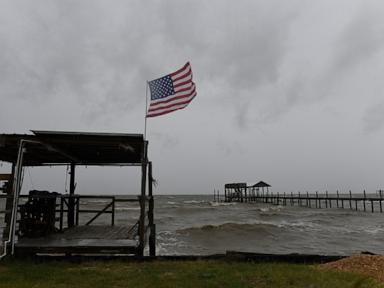
The media narrative surrounding Hurricane Isaias and its landfall near Destin, Florida, leaned entirely on standard panic porn. Headlines blared about a life-threatening monster, treating every tropical system like an extinction-level event. The lazy consensus among meteorology reporters is that absolute terror saves lives. It does not. It numbs the public, wrecks local economies, and masks systemic failures in how coastal infrastructure is actually engineered and maintained.
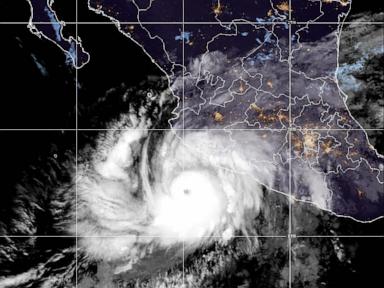
Let us look at the mechanical reality. Isaias packed 105 mph sustained winds at landfall, driven by abnormally warm Gulf waters touching nearly 88 degrees Fahrenheit. That is a legitimate meteorological engine, no doubt. But treating a mid-tier storm as an apocalyptic catastrophe triggers a cascade of policy failures. When authorities issue blanket panic orders instead of surgical, zone-based structural lockdowns, they create a worse hazard than the wind itself.
Consider the economic fallout. The total economic loss and property damage across the Southeast topped billions, but a staggering fraction of that financial bleeding came not from structural wind destruction, but from paralyzed commerce, shuttered ports, paused energy production in the Gulf, and needless mass evacuations. We are treating twenty-first-century meteorological data with nineteenth-century panic management.
The Fallacy of One-Size-Fits-All Warnings
The core error in modern storm response is the failure to differentiate between wind velocity vulnerability and topographic vulnerability. A 105 mph wind field over an engineered building code zone built after modern updates behaves entirely differently than it does over obsolete coastal shacks. Yet the warning systems treat every zip code with identical dread.
When Isaias came ashore, the real dangers were localized: flash flooding in low-lying agricultural corridors, isolated tornadoes spawned in the outer rainbands, and predictable power grid collapse due to ancient, unburied overhead lines. None of these require fleeing three counties away. They require hardened local microgrids and localized drainage management.
I have watched municipalities blow millions on emergency response theatrics while ignoring the rotting civil engineering beneath their feet. Evacuating half a million people because a storm possesses an intimidating name is an administrative cop-out. It shifts the burden of survival entirely onto the individual citizen's gas tank and patience, absolving local governments of their primary duty: building resilient local spaces that can actually weather a standard Gulf meteorological event without crumbling.
Stop Designing Policy for the Worst-Case Exception
If we continue to structure emergency management around outlier worst-case simulations rather than probabilistic reality, we induce systemic fatigue. People stop listening. When the next real monster storm forms, the boy-who-cried-wolf effect of past overreactions results in preventable tragedies because residents chose to stay put.
We need to ditch the theatrical storm tracking that prioritizes television ratings over operational clarity. Stop shutting down entire regional economies for storms that dissipate into manageable wind and rain once they hit inland timberlands. Harden the grid, bury the distribution lines, enforce strict local building retrofits, and reserve mass evacuation orders for actual catastrophic surges.
Until emergency management shifts from emotional panic to cold, calculated risk engineering, storms like Isaias will continue to expose an administrative apparatus that is far more destructive than the weather itself.