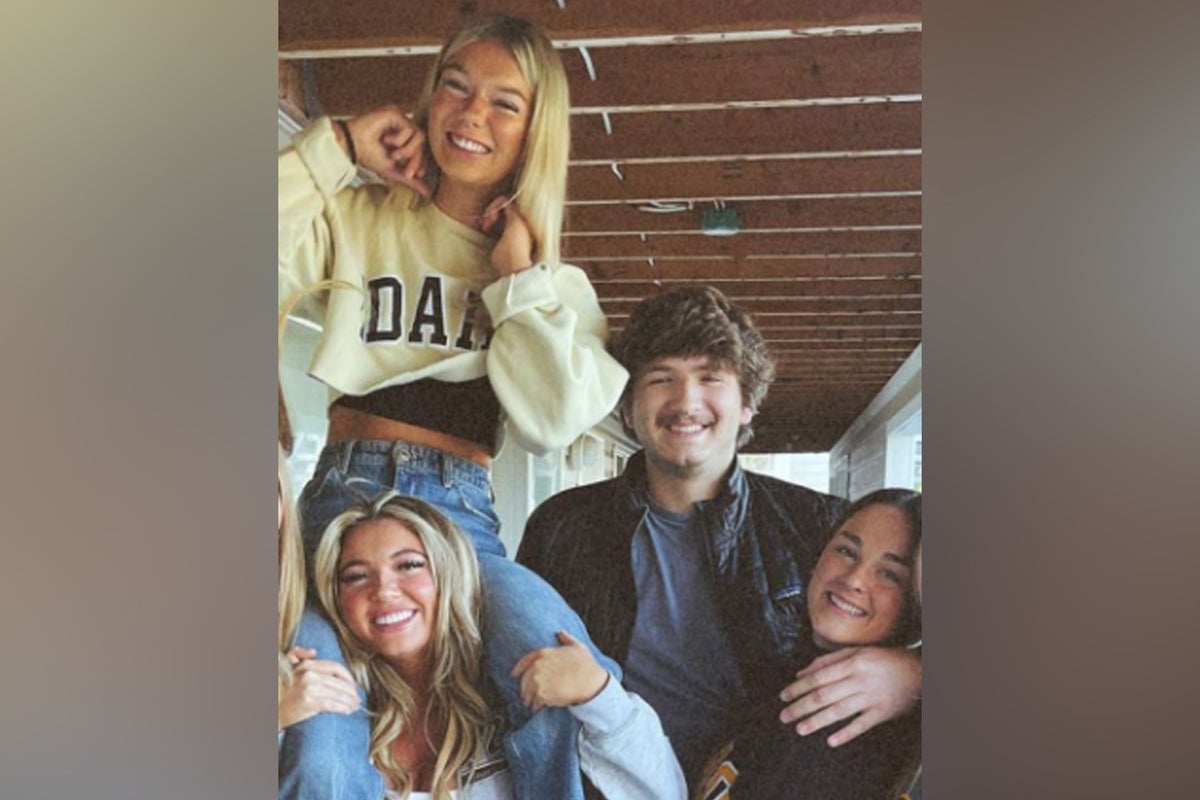
Grief does not follow a timeline. It does not respect courtroom procedures, nor does it fold neatly into legal briefs filed years after a tragedy. For the families who woke up to a nightmare in November 2022, when four University of Idaho students—Kaylee Goncalves, Madison Mogen, Xana Kernodle, and Ethan Chapin—were brutally slain in an off-campus rental home, every day remains an exercise in endurance.
And then, the legal games begin anew.
Consider what happens when a confessed killer attempts to undo the very finality he accepted. Bryan Kohberger, serving four consecutive life sentences without the possibility of parole after pleading guilty to the four counts of first-degree murder, recently filed court documents seeking to withdraw that guilty plea. He claims bad legal advice forced his hand. He calls his actual innocence his truth, attempting to reopen a wound that the state, the public, and most importantly, the grieving families thought had finally been stitched closed by four walls of concrete.
The reaction from those left behind was swift, piercing, and entirely devoid of diplomatic illusion.
The Goncalves family, who had watched the judicial process unfold with deep anguish—often feeling alienated by prosecutors who bypassed their consent when the original plea deal was struck—did not mince words. In a blistering public statement, they cut straight to the core of this ongoing legal torment, describing Kohberger with an unforgettable metaphor: a mosquito you just can’t seem to swat.
Annoying. Persistent. Unwelcome. Blood-seeking.
The imagery is visceral. It captures the exhausting reality of high-profile criminal justice, where perpetrators can retreat behind legal motions, demand new hearings, and force grieving families back into the public eye simply by filing paperwork from a prison cell. Kohberger, a former criminology doctoral student who once studied the criminal mind from an academic distance, now utilizes every procedural loophole available to disrupt the peace of those he shattered.
To understand why this latest motion stings so deeply, we must look backward. The initial plea agreement, reached in mid-2025, was a bitter pill for many relatives. By agreeing to plead guilty, Kohberger avoided the death penalty, bypassing a grueling trial that would have put chilling forensic details—such as the DNA matching his profile found on a knife sheath and the silent movements of his white Hyundai Elantra—on constant display. Some families accepted the deal purely for closure, hoping to never step foot in a courtroom again. Others felt betrayed that the state chose a guaranteed life sentence over a full jury trial.
Yet, even after trading a trial for four life terms plus an extra ten years for burglary, the promise of finality has proven fragile.
Legal experts note that withdrawing a guilty plea after sentencing is exceptionally rare and legally arduous. A defendant must prove extraordinary circumstances, such as severe coercion or profound structural failure in their defense counsel. Kohberger is currently representing himself in this post-conviction relief effort, shifting from the defense teams and mitigation specialists who once populated his court filings to a solitary, self-directed crusade.
But for the families, the technical likelihood of success matters little. The emotional toll is immediate. Every headline, every legal docket update, and every motion dragged into the light pulls them back to that dark November morning in Moscow, Idaho. It forces them to relive the terror, the defensive wounds, and the irreplaceable absence of Maddie, Kaylee, Xana, and Ethan.
Justice is supposed to mean an end. It is supposed to draw a thick, immutable line between the living and the dead, protecting society while allowing survivors to slowly rebuild the fractured pieces of their everyday existence. When a convicted murderer attempts to tear down that line on a whim of claimed innocence, the system reveals its most agonizing flaw. It allows the architect of a tragedy to keep directing the narrative.
The mosquito buzzes in the dark. The families swat. And the shadow of the house on King Road stretches on, refusing to fade into history.
Idaho murder victims' families divided over Bryan Kohberger plea deal
This video provides an in-depth look at how the victims' families navigated the complex emotions and deep divisions surrounding the initial plea agreement.
http://googleusercontent.com/youtube_content/1