Political succession within non-institutionalized populist movements operates under a fundamental principal-agent conflict. In traditional political party structures, a sitting vice president functions as the natural heir apparent, drawing on established party machinery, institutional donor networks, and formal endorsement protocols to solidify primary dominance. However, within personalized coalition frameworks—specifically the modern Republican Party centered around Donald Trump—the value of a presidential endorsement functions not as a guaranteed succession mechanism, but as an option contract whose price increases as the election approaches.
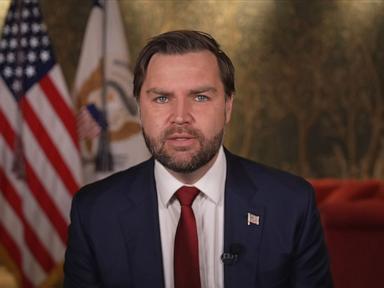
When Vice President JD Vance publicly posited that Donald Trump would likely endorse his potential 2028 presidential bid while acknowledging the absence of formal confirmation, he highlighted a critical structural vulnerability in populist succession mechanics. Trump's subsequent public deferral—framing any endorsement as premise-dependent and premature—demonstrates a precise calculated strategy to maximize political leverage while preserving internal coalition competition.
The Strategic Option Value of Undecided Endorsements
An endorsement from a dominant party figure yields significant political capital, but early commitment creates substantial strategic liability for the endorser. By withholding an explicit pledge, the primary actor retains leverage over three critical operational vectors.
- Policy Alignment Discipline: An uncommitted endorsement forces political successors to maintain strict policy compliance with the current leader. Early endorsement risks candidate divergence or factional pivot once capital is locked in.
- Coalition Balancing: The Republican base comprises distinct economic, nationalist, and traditionalist voter segments. Preserving optionality prevents early alienation of competing factional leaders—including governors and senators—who command localized donor and activist networks.
- Information Optimality: Committing capital two years before primary voting exposes the endorsement to unpredictable external shocks, including economic shifts, midterm performance, and legislative deadlocks. Delaying the endorsement allows the decision-maker to observe market performance before allocating resources.
┌────────────────────────────────────────────────────────┐
│               Endorsement Capital Dynamic              │
├────────────────────────────────────────────────────────┤
│ Early Commitment  ──────► Low Leverage / High Risk    │
│ Delayed Optionality ───► High Leverage / Managed Risk │
└────────────────────────────────────────────────────────┘
The Dilemma of Succession in Populist Coalitions
For the successor candidate, the primary challenge involves managing dependency on an external authority while simultaneously establishing independent political identity. The vice presidency provides instant visibility and institutional positioning, but it creates a distinct strategic dilemma characterized by two key forces.
The Legacy Anchor
A vice president must inherit and defend the administration's performance record, including economic headwinds, international tensions, and legislative setbacks. While an independent primary candidate can critique current outcomes or offer structural pivots, the incumbent second-in-command remains tied to every administrative decision. Defensive positioning reduces strategic flexibility in primary debate environments.
The Transferability Hazard
Political coalitions centered around individual charismatic authority rarely transfer seamlessly to designated successors. Loyalty to the principal actor does not automatically translate into support for the designated agent. As a result, relying heavily on a formal endorsement without cultivating an independent operational constituency leaves the candidate vulnerable if the endorsement is delayed, diluted, or shared among multiple contenders.
                  ┌──────────────────────────────┐
                  │   Incumbent Vice President   │
                  └──────────────┬───────────────┘
                                 │
                 ┌───────────────┴───────────────┐
                 ▼                               ▼
       ┌──────────────────┐            ┌──────────────────┐
       │ Institutional    │            │ Structural       │
       │ Advantage        │            │ Liability        │
       ├──────────────────┤            ├──────────────────┤
       │ • High Visibility│            │ • Record Anchor  │
       │ • Donor Access   │            │ • Low Autonomy   │
       │ • Base Proximity │            │ • Transfer Risk  │
       └──────────────────┘            └──────────────────┘
Strategic Execution for Successor Mobilization
To build a viable path toward party nomination without triggering early resistance from the party base or current leadership, a prospective successor must execute a three-stage strategic playbook.
- Establish Parallel Infrastructure: Build independent fundraising channels, digital outreach networks, and state-level organizational ties through aligned political action committees, reducing direct dependency on national committee apparatuses.
- Anchor Distinctive Policy Vectors: Focus on specific, high-priority policy domains—such as industrial strategy, domestic supply chain security, or economic nationalism—that appeal to core primary voters without contradicting the administration's broader framework.
- Calibrate Dynamic Independence: Maintain disciplined alignment on core administration outcomes while adopting an analytical, candidate-specific communication style that demonstrates executive readiness independent of presidential backing.
Navigating political succession in a personalized movement requires recognizing that an endorsement is an asset earned through alignment and electoral viability, rather than an automatic administrative handover. Candidates who construct independent organizational leverage while preserving strategic options remain best positioned to capture both the party machinery and the broader electorate.


