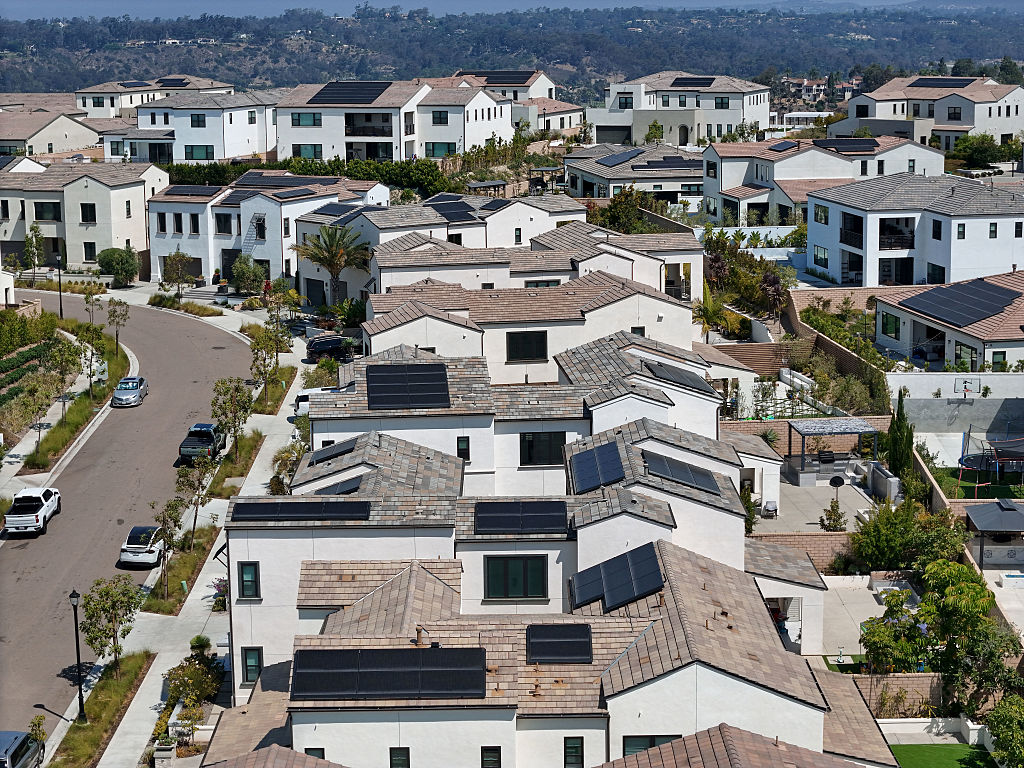
Energy independence sounds great on a bumper sticker. It feels patriotic, safe, and entirely self-contained. Put panels on the roof, disconnect from the grid, and wave goodbye to utility monopolies. I have watched homeowners and corporate boards blow millions chasing this exact fantasy, only to find themselves trapped in a more fragile, expensive cage of their own making.
The lazy consensus is that residential solar and battery storage mean total freedom from external power shocks. That narrative is built on a fundamental misunderstanding of physics, economics, and how modern power infrastructure actually operates.
Here is the truth nobody in the clean tech marketing department wants to admit: true off-grid independence is an expensive, inefficient hobby disguised as sustainability.
The Physics of Grid Interdependence
Let us clear up the terminology right away. Energy independence implies you can generate, store, and manage 100 percent of your energy needs under any condition, forever.
Physics disagrees.
Solar generation follows a diurnal cycle. It stops at night. It plummets during seasonal weather anomalies. To bridge that gap independently, you do not just need a standard home battery; you need massive over-capacity in generation and over-engineered storage that sits idle for months at a time, rotting your return on investment.
When you cut ties with the macro grid, you lose the ultimate macroeconomic shock absorber. The local utility grid is a massive, multi-directional sharing economy. When your panels produce excess power, you push it out. When you need power on a gray February afternoon, you pull it back.
Trying to replicate that balancing act inside a single property boundary requires capital allocation that makes zero financial sense. I have reviewed balance sheets for facilities that spent small fortunes chasing zero-grid footprints, only to discover their actual cost per kilowatt-hour skyrocketed compared to standard net-metered connections.
The False Economy of Full Storage
Batteries are the holy grail of the autonomy movement. Manufacturers pitch them as your ticket to sovereign power control.
Strip away the marketing gloss, and you find a depreciating asset with a hard chemical expiration date. Lithium-iron-phosphate or nickel-manganese-cobalt chemistries degrade every time they cycle. If you rely on daily deep-cycling to achieve local autonomy, you are burning through your hardware lifespan at an accelerated rate.
Furthermore, look at the embodied carbon and raw material extraction required to build that much storage for a single home or business. You are trading a monthly utility bill for a massive upfront capital expenditure and future replacement costs that heavily tilt against your financial favor.
The smart money does not chase total autonomy. The smart money chases economic optimization.
The Real Power Play
Stop trying to cut the cord. Instead, lean into hyper-interconnection.
The future belongs to smart assets that interact dynamically with the grid, shifting loads, trading power peer-to-peer, and exploiting time-of-use pricing anomalies. You want to be a producer when spot prices spike, and a strategic consumer when generation outstrips demand.
That is not about hiding behind a wall of batteries in the countryside. That is about turning your property into an intelligent micro-node that profits from the chaos of the broader market.
Independence is a vanity metric. Integration is where the money is.
Stop buying the marketing. Start looking at the math.