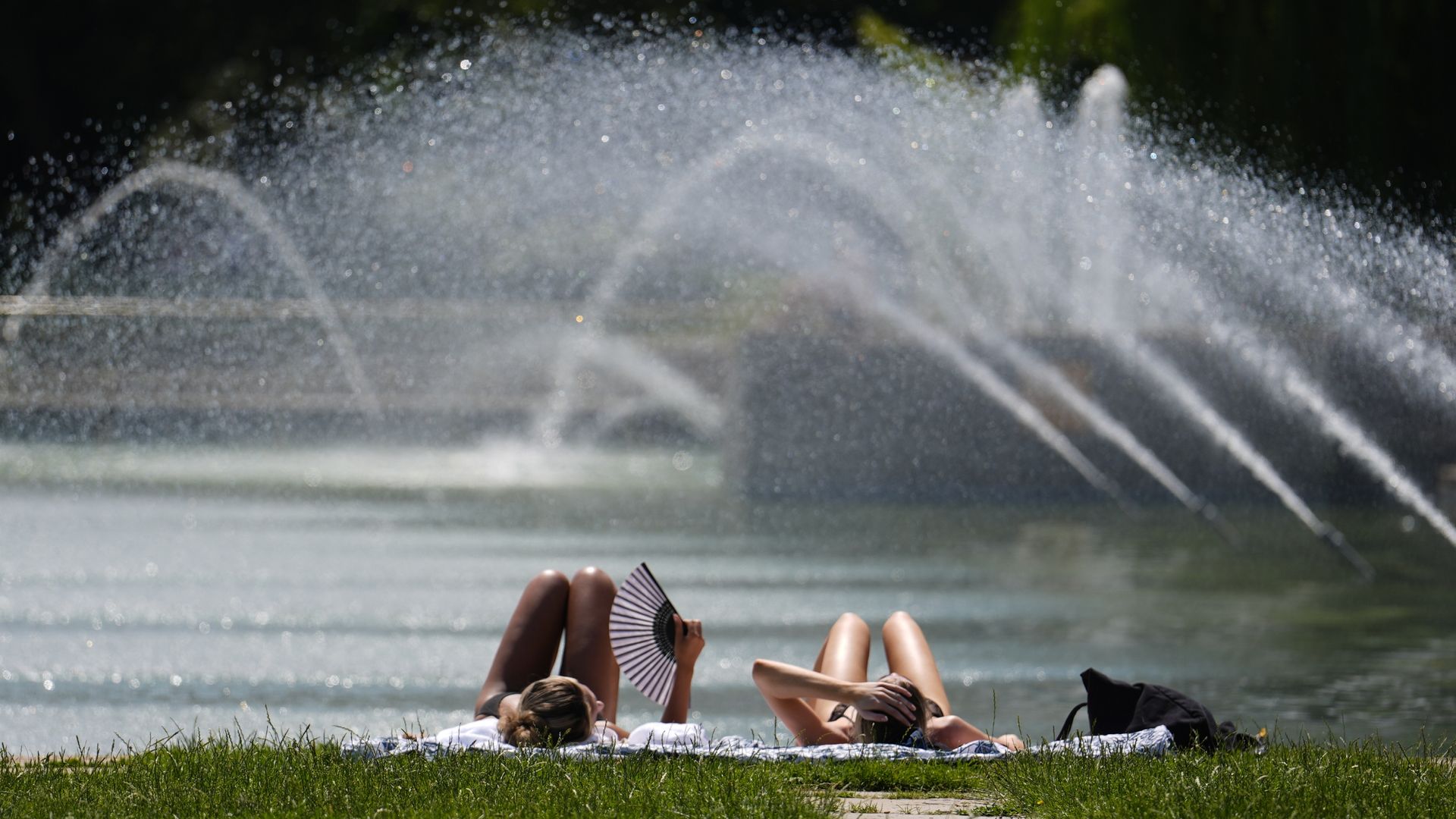
The British summer just shattered every historical baseline we had left. If you felt completely exhausted by the end of last month, it wasn't just your imagination. England officially recorded its hottest June on record, driven by a brutal late-month heatwave that triggered rare red heat health alerts across major swaths of the country.
Met Office data confirms that England's mean temperature for June hit 17.1°C. That sits nearly 3°C above the long-term average, sneaking past the prior record set just last year. We aren't simply breaking records anymore. We're obliterating them.
But the real story isn't the daytime spikes that sent people running for the coast. The real danger lies in what happened after the sun went down, combined with a factor most people overlook when checking the weather app.
The Danger of Sticky Tropical Nights
Most British homes are built like bricks and ovens. They hold heat. When a heatwave hits, you rely on the night air to drop below 15°C so you can open the windows and flush out the stagnant warmth. Last month, that cooling period never came.
We saw an unprecedented run of "tropical nights" where temperatures refused to drop below 20°C. In Hastings, overnight lows hung at a stifling 23.2°C. Cardiff Bute Park in Wales logged a nighttime low of 23.5°C.
When your bedroom stays at 24°C all night, your heart rate remains elevated. Your body never enters deep, restorative sleep. It is this relentless, 24-hour heat stress that leads to severe medical emergencies. The UK Health Security Agency extended red heat health alerts because the human body cannot handle back-to-back days of high heat without a nighttime reset.
The Humidity Factor We Weren't Ready For
Think back to the legendary summer of 1976. Everyone loves to compare modern heatwaves to that classic British summer. But 1976 was a dry heat.
The heatwave at the end of June 2026 was a completely different beast. The air originated over the Atlantic, getting trapped under high pressure, compressing, heating up, and holding onto its moisture.
High humidity changes everything. It elevates the wet-bulb temperature. This is the point where sweating stops working efficiently because the air is already too saturated to absorb your body's moisture. When you can't sweat effectively, your core temperature rises fast. Lingwood in Norfolk hit a scorching daytime peak of 37.7°C, but the humidity made it feel significantly worse.
A rapid modeling study by Dr. Christopher Callahan at Indiana University estimated that the late June European heatwave caused thousands of excess deaths across the continent, including over 800 estimated deaths in the UK alone between June 22 and June 28. This isn't just about feeling uncomfortable. It's an active health crisis.
What Most People Get Wrong About Staying Cool
When the UK Health Security Agency issues a red alert, standard advice tells you to drink water and wear sunscreen. That's basic stuff. If you want to keep your body safe when the infrastructure around you isn't built for extreme climate shifts, you have to change how you manage your immediate environment.
Stop Opening Windows at Noon
It feels instinctive. The house is hot, so you open the window to catch a breeze. Don't do it. If the air outside is 35°C and the air inside is 26°C, you're just inviting a furnace into your living room. Keep windows and blinds fully closed during the peak hours of 11am to 3pm. Only open them late at night when the outside temperature drops below the inside temperature.
Reconsider Your Fan Placement
Electric fans don't cool the air. They just move it. If the room is hotter than 35°C, pointing a fan directly at your skin can actually speed up dehydration by blowing hot air over you, acting like a convection oven. Instead, place a bowl of ice or frozen water bottles directly in front of the fan to create a localized misting effect.
Watch for Heat Exhaustion Traps
Heatstroke doesn't just hit people walking in the midday sun. It creeps up on elderly relatives sitting inside top-floor flats. Watch out for confusion, intense headaches, dizziness, and sudden nausea. If someone stops sweating but their skin feels hot and dry, that is a medical emergency.
Surviving the Rest of the Summer
Professor Stephen Belcher, the Met Office Chief Scientist, made it clear that human-induced climate change has made these intense June spikes our new reality. We have to adapt.
Start by auditing your living space now before the next high-pressure system parks itself over the UK. Invest in high-quality blackout curtains or reflective window film for south-facing rooms. Keep a stock of hydration tablets that replace electrolytes, not just plain water. Check on neighbours who live alone, particularly those on upper floors of apartment buildings. Our climate has shifted, and our old habits need to change with it.