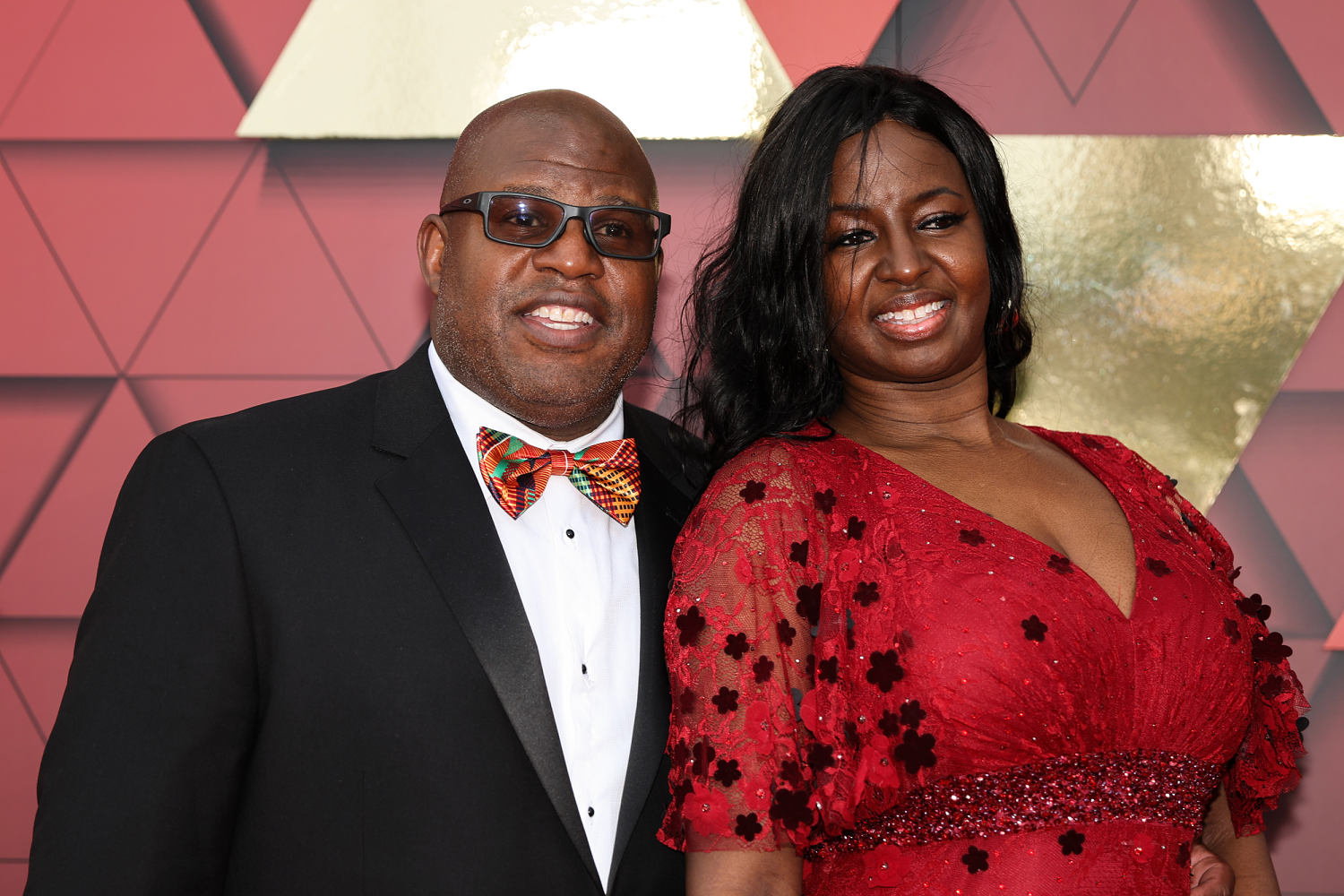
Sports reporting changed. It changed for the worse. When a private family crisis spills into public view, the hounds bark loudest.
Let's talk about what happened involving former Kansas City Chiefs offensive coordinator Eric Bieniemy. Media outlets rushed to cover a horrifying domestic shooting involving his son and wife. Headlines flashed across screens. Speculation ran wild. Then, reality hit. The victim left the intensive care unit. The noise briefly quieted. But the damage to boundaries remained.
You've probably seen the broken coverage. You've heard whispers in locker rooms and read threads on social media. People love drama. They consume trauma like popcorn. I'm tired of watching public figures get stripped of basic human dignity simply because their name appears on an NFL roster or a coaching staff directory.
The Reality of Public Life Versus Private Pain
Public scrutiny is brutal. If you coach football at the highest level, you sign up for intense criticism of your playcalling. You accept that fans will scream about third-down conversions. You understand that local sports radio hosts will dissect your red-zone efficiency until their voices crack.
That trade-off has limits.
Coaches are humans. Their spouses are humans. Their children are humans. When a violent household incident occurs, it belongs in a courtroom, not as fodder for afternoon debate shows. Yet, sports journalism crossed a line here. Outlets raced to tie Eric Bieniemy's professional pedigree to a domestic tragedy.
Why? Because clicks pay the bills.
I've watched sports media evolve over two decades. We used to care about games. Now, we care about gossip. When news broke that Bieniemy's wife was hospitalized after a shooting allegedly involving their son, the story immediately mutated. It stopped being about a family experiencing an unimaginable nightmare. It turned into a referendum on a coach's career path.
That is sick.
How the Media Exploited a Family Crisis
The reporting playbook is always the same.
- Grab any available police blotter or court filing.
- Slap a high-profile sports name in the headline to capture search traffic.
- Speculate wildly about how this impacts job security or locker room culture.
Think about the absurdity of that cycle. A mother was shot. A son faces severe legal jeopardy. A father is trying to process a nightmare while maintaining professional duties. And digital media algorithms treat it like a free-agent signing.
When the updates rolled in showing the victim recovering outside the ICU, the tone shifted only slightly. Instead of backing off, reporters dug deeper into family histories. They dragged unrelated relatives into the spotlight. They traded empathy for speculation.
We need to call this out.
The Broader Problem With Modern Sports Coverage
Sports fans deserve better information. Not sleuthing.
When a coach transitions between organizations, every personal detail gets weaponized. People forget that Bieniemy spent years building a reputation as one of the sharpest minds in football. He won Super Bowls with the Chiefs. He commanded respect in Washington. His coaching resume speaks for itself.
Yet, internet trolls and lazy commentators tried to connect his sideline intensity to a domestic shooting. That requires a massive leap in logic. It also requires a profound lack of decency.
Violence in families happens across every demographic. It hits CEOs, teachers, plumbers, and football coaches alike. It doesn't stem from a playbook. It stems from complex personal breakdowns that outsiders will never fully understand.
Drawing a Hard Line on Personal Boundaries
We have to protect privacy.
If you write about sports, you have a duty to report facts. Police reports matter. Court dates matter. Health updates matter. Harassment campaigns, wild conspiracy theories, and character assassination do not.
The next time a tragedy hits a sports family, pause before sharing the hot take. Ask yourself a simple question. Does this commentary add value to human understanding, or does it just feed a morbid curiosity?
Eric Bieniemy didn't ask for this spotlight. His family didn't invite cameras into their hospital rooms. Let them heal in peace. Stop treating real human suffering as sports entertainment.
Support local journalism that respects boundaries. Reject outlets that profit off pain. Demand better from the media you consume every single day.