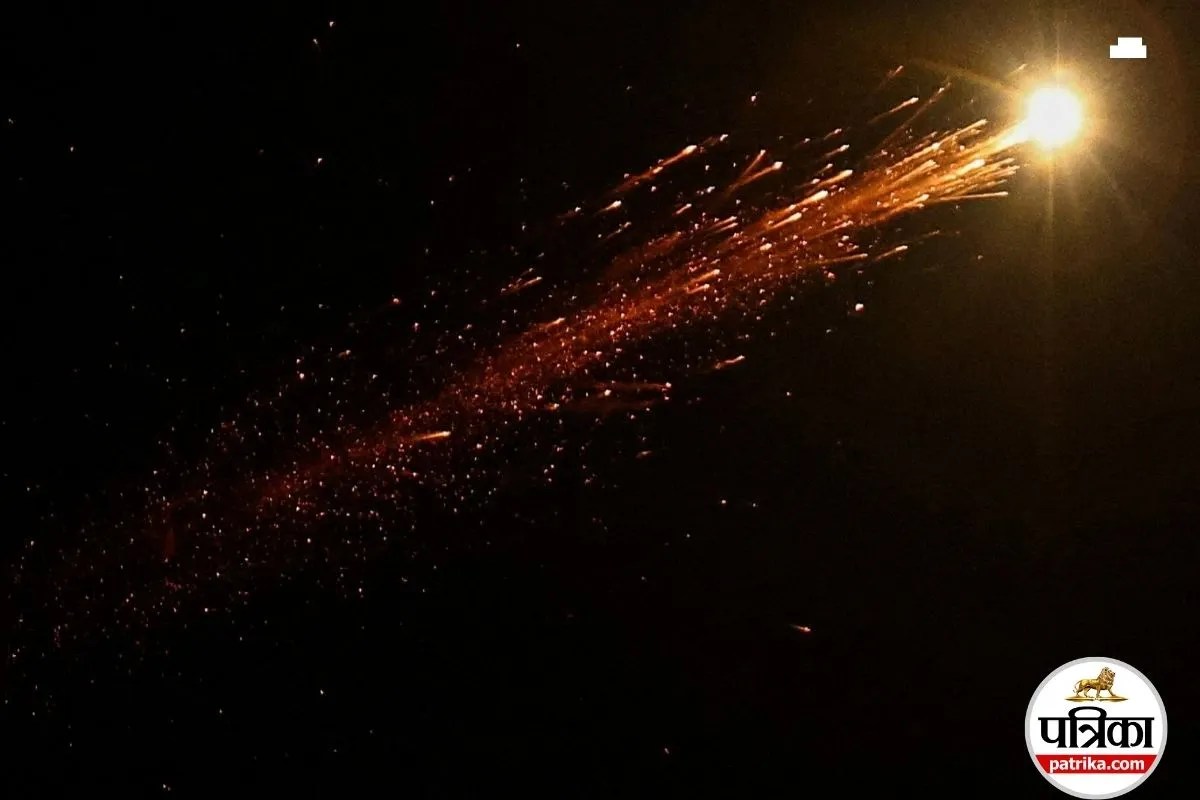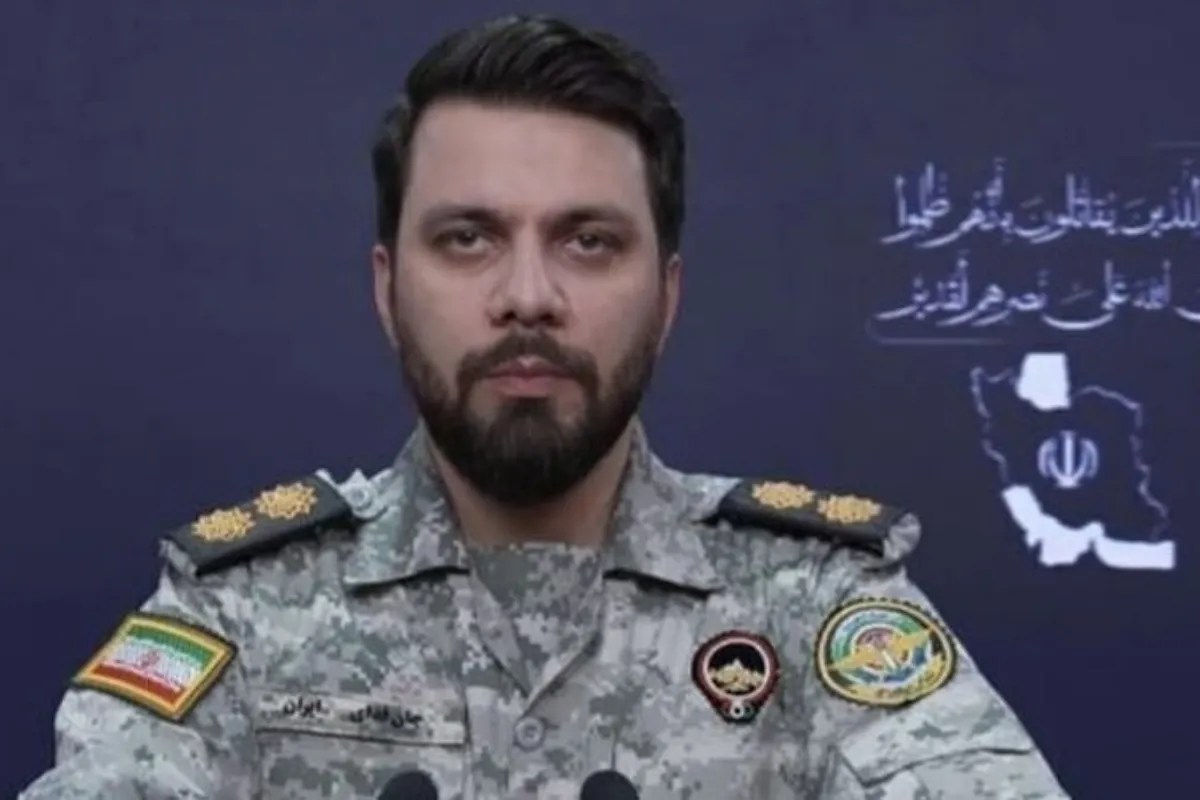
Donald Trump and the leadership of Iran's Islamic Revolutionary Guard Corps are locked in a familiar cycle of escalating rhetoric, threatening regional stability in the Middle East. When American political figures issue severe warnings of total destruction, military commanders in Tehran routinely respond with promises of devastating counter-attacks. This dynamic is not new. It represents a long-standing psychological and strategic contest where both sides rely on public threats to project strength, deter adversaries, and satisfy domestic political constituencies.
Decades of friction have forged a predictable rhythm of exchange. Washington applies maximum pressure through economic sanctions, diplomatic isolation, and periodic shows of military force. Tehran counters by leveraging asymmetric capabilities, proxy networks across the region, and fiery declarations from senior commanders within the IRGC. Beneath the noise of public declarations lies a calculated calculus of deterrence. Neither side actively seeks an all-out conventional war, knowing the immense economic and human costs involved. Yet, the margin for error grows narrower with every cycle of brinkmanship.
The Anatomy of Deterrence
Deterrence relies entirely on credibility. When a superpower threatens total annihilation, the target nation faces a dilemma. Backing down projects weakness and invites further aggression. Escalating rhetoric becomes a mandatory defense mechanism. The IRGC operates under an institutional identity forged during the Iran-Iraq War, where survival depended on defiance against overwhelming conventional odds. For their leadership, public declarations of readiness are designed to convince domestic hardliners and foreign adversaries alike that any military strike will trigger severe regional consequences.
These consequences rarely manifest as symmetrical military engagements. Instead, historical precedent points toward a shadow war. Regional shipping lanes, critical energy infrastructure, and allied outposts often bear the brunt of retaliatory friction. Cyber operations, regional proxy actions, and missile proliferation form the backbone of Tehran's asymmetric doctrine. When commanders warn of a fierce response, they are not necessarily signaling a massive tank invasion. They are highlighting a decentralized network capable of disrupting global trade and energy markets.
The Domestic Political Utility
Rhetoric from both Washington and Tehran serves audiences far beyond the immediate geopolitical theater. American political rhetoric often plays to domestic bases eager for a hardline stance against regional adversaries. It projects an image of unwavering resolve. Conversely, the IRGC uses external threats to consolidate internal authority, deflect criticism over economic hardships caused by sanctions, and justify the expansion of its domestic influence.
This domestic utility creates a dangerous trap. Leaders become prisoners of their own public postures. When threats are constantly escalated to score political points, finding a diplomatic off-ramp grows increasingly difficult. A minor tactical miscalculation in the Persian Gulf or a misread signal between naval patrols can quickly transform performative hostility into an actual kinetic conflict.
Navigating the Precipice
Managing this friction requires channels of communication that bypass public posturing. Direct diplomatic lines, backchannel negotiations, and third-party mediators historically play vital roles in preventing accidental escalation. Without these safety valves, the risk of misinterpretation multiplies. As political landscapes shift and new leadership takes charge in Washington, the baseline of hostility remains high, leaving regional stability hanging on the fragile restraint of military commanders on both sides of the Gulf.