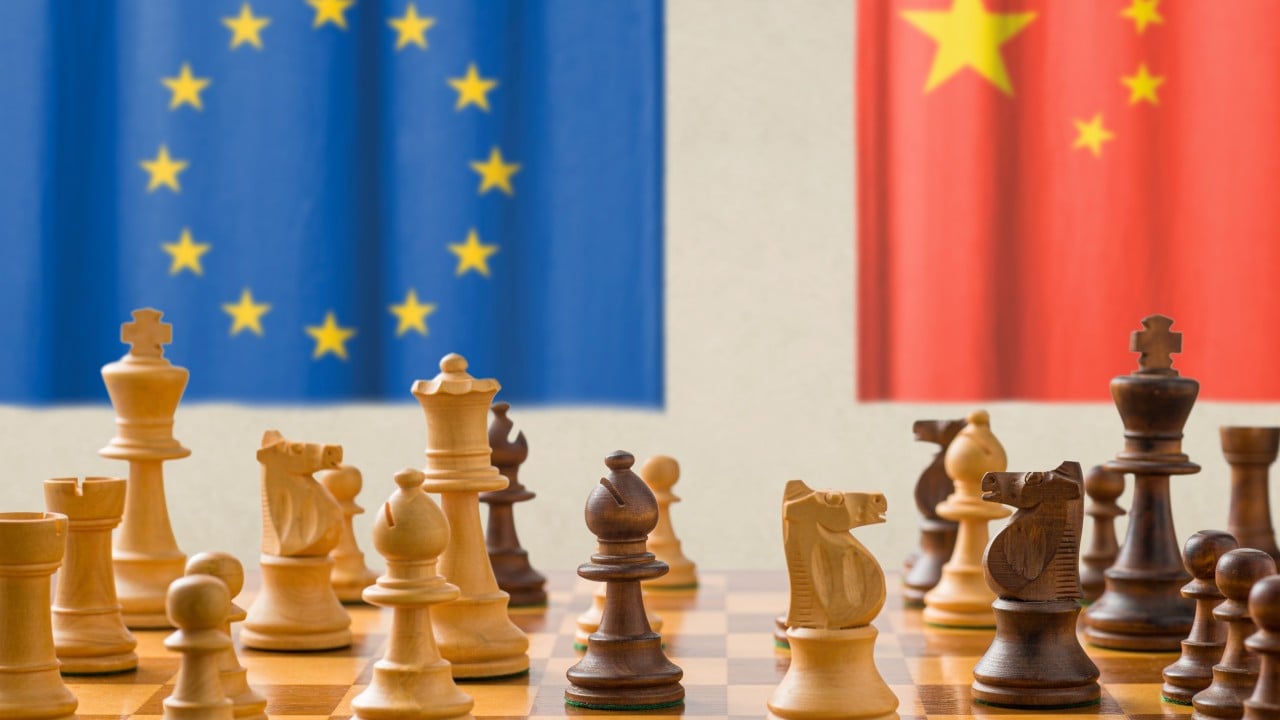
European factories are running on borrowed time, and Brussels just admitted it.
Every single day, the European Union runs a staggering €1 billion trade deficit with China. That is not a typo. One billion euros, gone, every 24 hours. The relationship is completely unsustainable, and European Trade Commissioner Maroš Šefčovič knows it.
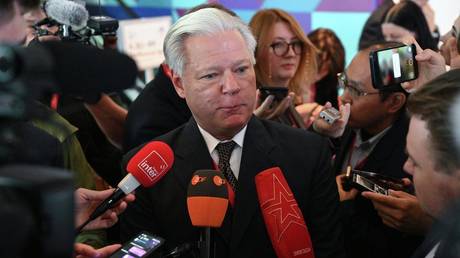
On June 5, 2026, Šefčovič dropped a bombshell at the Brussels Economic Security Forum. He announced that the EU is drafting an aggressive, mandatory law to force European companies to pull away from Chinese factories. The soft talk about voluntary de-risking is officially dead. Now, Brussels wants to legally dictate exactly who your business can buy from.
If you run a company relying on Chinese components, the rules of the game just vanished. Here is what is coming, why the current strategy failed, and how this new plan will trigger a massive shockwave through the global supply chain.
http://googleusercontent.com/image_content/226
The Death of 40 Percent
For years, the EU relied on gentle nudges. Policymakers pointed to guidelines suggesting companies avoid getting more than 40% of their critical inputs from a single foreign nation. Companies completely ignored them. Why? Because Chinese suppliers are cheaper, faster, and possess refining monopolies that do not exist anywhere else on earth.
Brussels is done asking nicely.
The proposed draft framework introduces rigid structural caps. Under the new rules, businesses operating in high-risk sectors will face mandatory supply chain restructuring. The law would establish hard baselines:
- The Single-Source Cap: You cannot source more than 30% to 40% of critical components from a single country.
- The Triple-Source Mandate: The remaining 60% to 70% of those components must be split across at least three entirely different countries.
Think about the math on that. If you build electric vehicles, wind turbines, or industrial machinery in Germany or France, you cannot just buy your magnets or semiconductors from China anymore. You are now legally required to find three separate alternative country sources to fill the gap.
Šefčovič was brutally direct about this. He stated that every high-risk sector must be weaned off single-supplier dependence. He told the corporate world that geopolitical risk is now a core business risk, and businesses must integrate the cost of resilience directly into their models. In other words: secure your supply chains on your own dime, because Brussels is not going to bail you out when Beijing shuts off the valve.
Why the Current Defenses Failed
You might wonder why the EU needs a brand-new law when it already has anti-dumping rules and anti-subsidy tariffs. Look at the electric vehicle tariffs from last year. They took months of exhaustive, bureaucratic investigations. By the time the EU imposes a traditional tariff under World Trade Organization rules, the targeted European industry is already bankrupt.
China state-driven economic model operates too fast for the WTO. Huge state subsidies have created massive overcapacity. Chinese factories produce far more chemicals, solar panels, and industrial machinery than their domestic market can consume. They dump this excess onto the global market at artificial, rock-bottom prices.
Worse, Europe took a massive hit when Beijing weaponized its trade dominance. Last year, China abruptly tightened export controls on rare earth magnets, a move that instantly paralyzed European automotive production lines. Beijing also slammed export restrictions on Dutch semiconductor firm Nexperia, choking off critical chips used in European cars.
Traditional trade defense tools are like bringing a knife to a drone fight. They are isolated, slow, and reactive. This new instrument is proactive. By mandating diversification before a crisis hits, the EU hopes to strip Beijing of its economic leverage.
The Corporate Blind Spot No One Is Talking About
On paper, splitting your sourcing across three countries sounds like smart risk management. In reality, it is a compliance nightmare that could easily backfire.
Let us say you need a specific refined cobalt component. Under the new law, you drop your Chinese supplier down to 30%. You source the rest from suppliers in Vietnam, Malaysia, and Mexico. You think you are fully compliant and safe.
Look closer at who owns those factories.
Over the last few years, Chinese state-backed firms have aggressively bought up mining, refining, and manufacturing facilities across Southeast Asia and Latin America. They do this specifically to bypass Western tariffs. If your new Malaysian supplier is a shell company owned by a parent firm in Shanghai, your supply chain remains entirely exposed to Chinese state-directed export controls.
For corporate buyers, tracking the ultimate beneficial ownership of every sub-tier supplier is incredibly difficult. The law risks creating a massive compliance blind spot where companies tick the regulatory boxes while remaining completely dependent on Beijing hidden networks.
Legitimate Fears of Retaliation
The EU is not unified on this front, and Beijing knows exactly how to exploit the cracks. While France and a handful of other major EU economies heavily pushed the Commission to strengthen its defense tools against Chinese overcapacity, others are terrified.
Spain initially signed a letter urging a tougher stance but quickly backed away after Beijing threatened immediate trade retaliation against European agricultural exports. Germany, with its massive automotive footprint in China, is similarly panicked about a full-blown trade war.
China already passed its own Regulations on Industrial and Supply Chain Security. This law gives Beijing a formal mechanism to identify foreign discriminatory measures and launch aggressive countermeasures. If the EU pushes this dedicated instrument through the European Council during the upcoming summit on June 18-19, expect China to retaliate instantly by cutting off critical chemical inputs or pharmaceutical ingredients.
How to Prepare Your Business Right Now
The EU aims to finalize this proposal over the next 12 to 24 months. If your business relies on international components, you cannot afford to wait for the political squabbling to end. You need to take concrete steps today to protect your operations.
Map Deep Past Tier One
Stop looking only at your immediate suppliers. You need to audit your entire supply chain down to the raw material level. Demand full transparency from your vendors regarding where they source their inputs and who owns their overseas processing facilities.
Secure Alternative Supply Corridors
Begin building relationships with suppliers in emerging alternative hubs. Look toward the EU new ReSourceEU plan, a €3 billion initiative specifically designed to build alternative supply sources and refining capacity across Europe and allied nations.
Price In the Cost of Resilience
Accept that your profit margins will take a hit. Sourcing components from multiple countries is more expensive than buying in bulk from a single, heavily subsidized Chinese factory. Reconfigure your pricing models now to absorb the structural costs of diversification before the EU mandates make it compulsory.