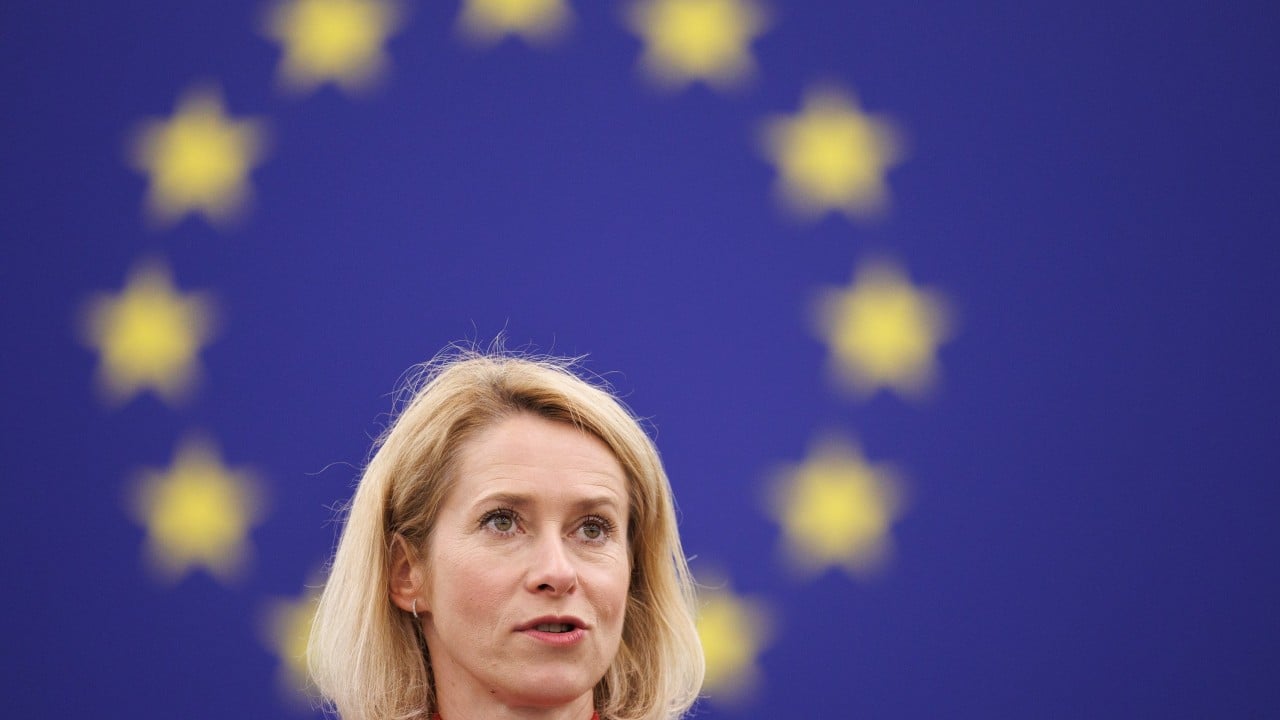
Europe is doubling down on economic pressure. EU foreign policy chief Kaja Kallas recently announced that an upcoming autumn package will feature the most far-reaching sanctions on Russia since the conflict began. If member states approve the plan, the total volume of sanctioned Russian individuals, companies, and organizations will immediately jump by one-third.
For years, critics argued that restrictive measures were leaking like a sieve. Moscow kept finding loopholes through third-party nations, shadow fleets, and crypto networks. This upcoming policy pivot aims to close those gaps permanently. Expanding on this theme, you can also read: The Anatomy of Custodial Failure: Systemic Friction and Accountability Deficits in Law Enforcement.
The Scope of the Upcoming Restrictions
Kallas pointed out that past measures have already stripped Russia's war machine of over one trillion euros. Yet, hybrid threats continue to escalate across the continent. Sabotage operations, critical infrastructure cyberattacks, and airspace violations near Poland and Romania have forced Brussels to rethink its tolerance thresholds.
The upcoming listings won't just target standard military supply chains. They are designed to crack down hard on financial facilitators, evasion hubs, and maritime networks that keep Russian energy revenues flowing. Brussels wants to make the cost of continuing military campaigns unsustainable for Moscow's central planners. Experts at TIME have also weighed in on this matter.
Transatlantic Alignment and New Momentum
Timing matters in geopolitics. The push for a massive sanctions expansion follows closely behind recent legislative moves in the United States Senate. When Washington and Brussels march to the same drumbeat, sanction evasion becomes infinitely harder.
For months, individual EU member states dragged their feet on various restrictive packages due to domestic economic concerns. Greece and other nations pushed back on specific maritime rules during earlier negotiations. However, growing security anxieties are shifting political calculations across European capitals. When drones and missiles test NATO-adjacent airspace, internal divisions tend to shrink fast.
What Real Impact Will This Have?
Sanctions are rarely a silver bullet. Moscow has spent years building alternative trade routes through Central Asia, the Middle East, and parts of Asia. Shell companies pop up faster than compliance officers can shut them down.
Even so, expanding the target list by thirty percent at once sends an unmistakable signal. It forces international banks, logistics providers, and secondary-market traders to choose between doing business with Western financial systems or dealing with sanctioned Russian entities. Most global institutions choose compliance over illicit profit every single time.
The coming months will test whether European unity can hold under the weight of an aggressive new enforcement wave. If Brussels follows through on this pledge, the economic landscape for Russian state actors is about to get much colder.

:max_bytes(150000):strip_icc()/lake-mead-173940030-5c25228846e0fb00014e8584.jpg)
