You probably didn't notice it when you booked your summer flight, but the aviation industry is currently holding its breath. For the first time in decades, the conversation in Brussels isn't just about carbon footprints or legroom—it’s about whether there’s actually enough "juice" to keep the planes in the air.
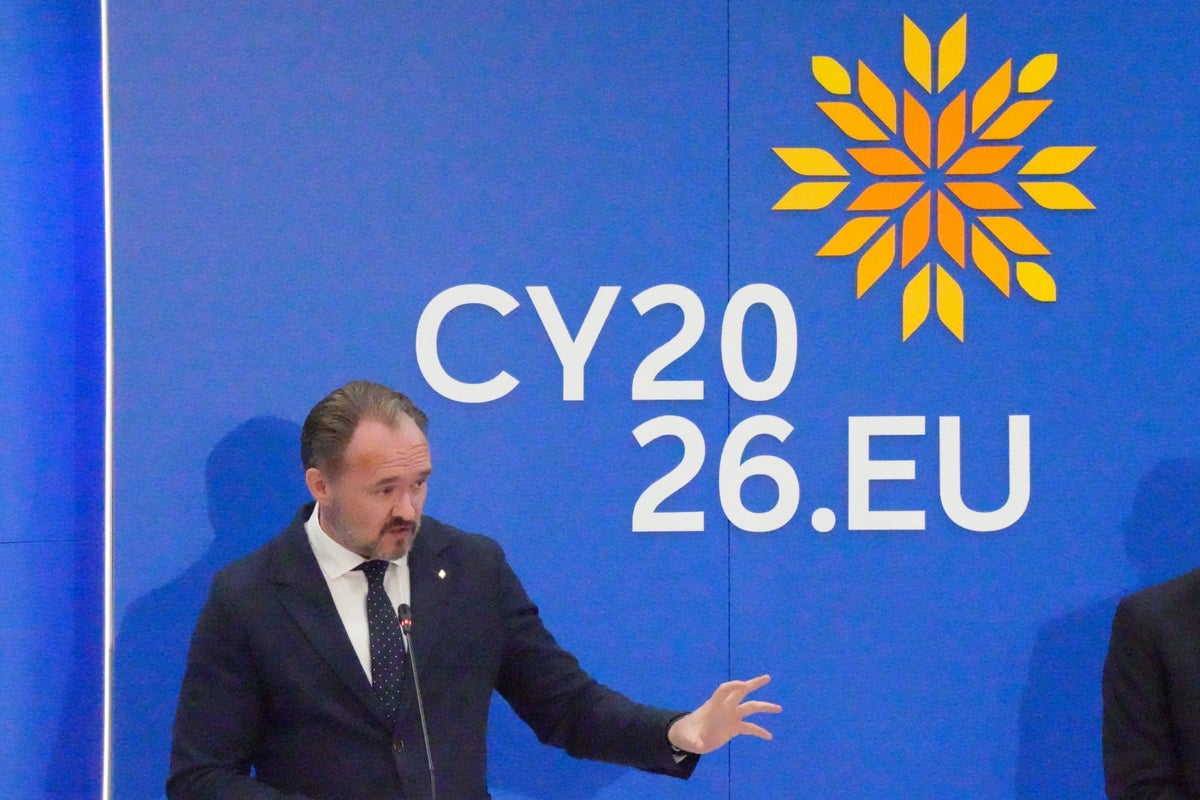
EU Transport Commissioner Adina Vălean recently broke the silence, warning that Europe is staring down a potential long-term jet fuel shortage. It’s a messy mix of geopolitical chaos in the Middle East, a sluggish transition to green fuels, and an industry that’s basically running on a "just-in-time" supply chain that no longer works in a world of "just-in-case" volatility.
If you think this is just a high-level policy headache, think again. This hits your wallet and your travel plans directly.
The Middle East Crisis and the Kerosene Crunch
Let’s be real: Europe doesn't produce enough jet fuel to sustain itself. We rely heavily on imports, specifically from the Middle East. With the ongoing conflict in that region, those supply lines aren't just getting more expensive; they're getting physically restricted.
In May 2026, we’ve already seen airlines like Lufthansa and SAS quietly trimming their schedules. We’re talking about 12,000 flights canceled globally this month alone, according to Cirium data. While the EU Commission is trying to stay calm by saying there’s no "systemic" failure yet, the International Energy Agency (IEA) has been way more blunt. They’ve signaled that we might be entering one of the tightest aviation energy markets in history.
The immediate fallout? Ticket prices are skyrocketing.
Since February, jet fuel prices have essentially doubled. Airlines don't just eat those costs; they pass them to you. If you’ve wondered why a short-haul flight to Spain suddenly costs as much as a designer suitcase, this is why.
Why Sustainable Aviation Fuel Isn't Saving Us Yet
The EU has a grand plan called ReFuelEU Aviation. It mandates that fuel suppliers start blending Sustainable Aviation Fuel (SAF) into the traditional kerosene. It sounds great on paper: 2% SAF by 2025, 6% by 2030, and eventually 70% by 2050.
But there’s a massive, glaring problem: We aren't making enough of it.
As of mid-2026, almost no commercial-scale e-SAF (synthetic fuel) plants in Europe have reached a Final Investment Decision (FID). We have the laws, but we don't have the factories. SAS recently warned that Scandinavia alone will need 36,000 tons of e-SAF by 2030, yet the production capacity is currently hovering near zero.
We’ve created a "regulated shortage." The law says airlines must use a fuel that barely exists. When demand is forced by law and supply is constrained by reality, prices only go one way. Up.
Your Rights When the Tank Runs Dry
One of the most interesting (and aggressive) stances Commissioner Vălean took was regarding passenger rights. There’s a lot of debate right now about whether a fuel shortage counts as an "extraordinary circumstance" under EU261—the law that forces airlines to pay you when they cancel a flight.
Airlines want to claim that if there’s no fuel at the airport, it’s not their fault. The Commission isn't buying it. Vălean was clear: High fuel prices or supply hiccups are not an excuse to dodge compensation.
If your flight gets scrapped because the airline couldn't secure kerosene:
- You are still entitled to reimbursement or re-routing.
- You deserve food and hotel vouchers if you’re stranded.
- In many cases, you can still claim cash compensation (up to €600), unless the airline can prove a "local" airport shortage was completely outside their control.
The End of Cheap Tankering
Airlines used to play a game called "fuel tankering." Basically, if fuel was cheaper in London than in Paris, they’d fill the plane to the brim in London to avoid buying the expensive French stuff.
The EU is effectively killing this practice to save on emissions (carrying extra weight burns more fuel). But in a shortage, tankering was a safety net. Now, if an airport runs low, planes can't rely on the "extra" they brought from home. The EU has had to issue emergency guidance this month, allowing some exceptions to these anti-tankering rules just to keep regional routes alive.
What You Should Do Right Now
Don't wait for the headlines to get worse before you change how you travel. The "golden age" of ultra-cheap, reliable kerosene is ending, and we're entering a bumpy transition period.
- Book with "Hub" Airlines: Larger carriers at major hubs (Frankfurt, Paris, Dubai) usually have better-guaranteed fuel contracts than low-cost carriers flying into tiny regional strips.
- Check the "Fuel Surcharge" Transparency: The EU recently banned retroactive fuel surcharges. If an airline tries to bill you after you’ve paid for your ticket because "oil went up," tell them no. It’s illegal under the Air Services Regulation.
- Expect "Ghost" Cancellations: Airlines are proactively cutting flights 2–3 weeks out to consolidate passengers onto fewer planes. This saves fuel but ruins your itinerary. Monitor your flight status like a hawk.
The reality is that Europe is trying to fly its way out of a fossil fuel past and into a green future, but the bridge isn't finished yet. Until those SAF plants are built and the Middle East stabilizes, expect the "fuel shortage" talk to become a permanent part of your travel planning.