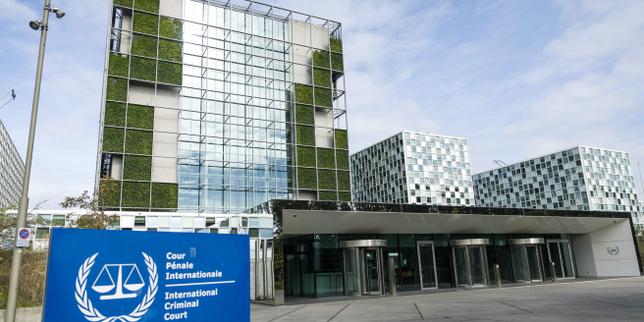
Brussels is having another collective panic attack. Fifty-eight eurodéputés, flanked by indignant non-governmental organizations, are clutching their pearls because the White House placed the International Criminal Court on a Treasury blacklist, treating international magistrates like transnational terror syndicates. The chorus from the European Parliament is predictable: activate the blocking statute, summon the ambassadors, and scold Washington into submission.
It is a comforting fantasy. It is also completely useless.
The lazy consensus in European political circles assumes that Donald Trump’s assault on The Hague is an anomaly to be weathered with legalistic paperwork and sternly worded resolutions. If the European Commission would only grow a spine and deploy trade mechanisms, the argument goes, international justice would be saved.
This view ignores the structural reality of global power. You cannot legislate away an empire's refusal to play by rules it never ratified.
The Illusion of the Blocking Statute
Let’s look at the mechanics of what these politicians are demanding. The blocking statute is designed to shield European firms from extraterritorial US sanctions by making compliance with American law illegal under EU jurisdiction. It sounds tough on paper. In practice, it is a paper shield against a titanium wrecking ball.
European multinational banks, tech giants, and industrial titans do not choose Washington over Brussels out of malice. They do it out of survival. The global financial system runs on the US dollar, and SWIFT is heavily influenced by American regulatory reach. If a European bank has to choose between a fine from the European Commission or getting completely locked out of the US clearing system, compliance officers in Frankfurt and Paris will drop the court like a burning coal every single time.
Pretending that a bureaucratic decree from Ursula von der Leyen can override the gravity of the dollar-dominated monetary order is geopolitical malpractice. I have watched corporations spend millions trying to compliance-engineer their way around US secondary sanctions, and the result is always the same: economic isolation or total submission. The EU does not lack courage; it lacks financial sovereignty.
The Real Problem is Institutional Hubris
The court in The Hague is facing an existential crisis not merely because Washington hates accountability, but because international law without enforcement mechanisms is nothing more than moral theater.
For decades, European elites treated the expansion of international tribunals as a substitute for hard power. Whenever a geopolitical crisis erupted, Brussels outsourced its conscience to judges, drafting treaties and signing Rome Statutes while hollowing out its own defense capabilities and industrial base. You cannot project normative power across the globe when your entire security architecture depends on the very superpower currently tearing up your legal framework.
When American officials place sanctions on prosecutors or freeze the assets of international judges, they are operating from raw, unvarnished realism. They understand that power flows from material capabilities, not from the moral authority of a courtroom that lacks a single division of infantry.
Stop Asking Brussels for Miracles
The demand for a European Commission intervention is a symptom of political laziness. It allows national politicians in Paris, Berlin, and Brussels to posture as defenders of human rights while avoiding the painful, expensive work of building genuine European strategic autonomy.
If Europe genuinely wants a rules-based international order, it needs to build the economic and military weight required to back it up. That means cutting the cord on digital dependency, building independent payment channels that cannot be weaponized by the US Treasury, and accepting that sovereignty is bought with blood and capital, not resolutions passed by comfortable bureaucrats.
Until European leaders stop treating international law as a magic spell that wards off superpowers, they will keep running headfirst into the same brick wall. The court is bleeding out, and no amount of parliamentary hand-wringing will stitch the wound.
Sanctions de Trump contre la CPI un souci enorme
This interview provides a direct look at the institutional anxieties and legal dilemmas facing European judicial authorities as they grapple with the practical fallout of US sanctions.