Diplomatic patience has officially run out in European capitals. London, Paris, Rome, and Berlin just issued a joint condemnation of Israeli plans to push forward with construction tenders for the contentious E1 settlement project in the occupied West Bank.
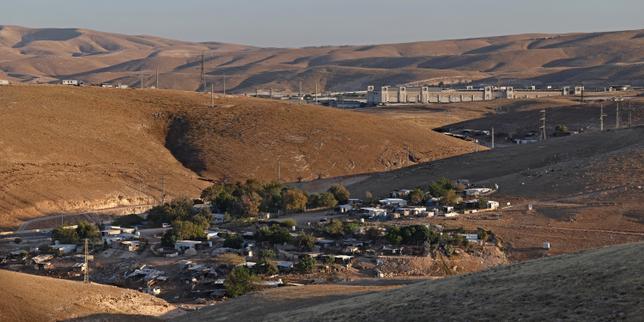
If you've been following Middle Eastern geopolitics, you know the E1 zone isn't just another patch of land. It sits squarely between Jerusalem and Ma'ale Adumim, acting as a geographic anchor. Building there effectively splits the West Bank in two, driving a concrete wedge through Palestinian territories and killing any realistic chance of a contiguous, viable Palestinian state.
European leaders aren't just issuing their usual polite warnings this time. The joint statement calls the move "unacceptable" and warns private companies against bidding on the tenders. Businesses are being put on notice regarding the legal and reputational fallout of touching projects that violate international law.
Why the E1 Project Changes the Equation
For decades, settlement expansion moved forward in increments. Governments protested, construction happened, and the international community wrung its hands. But E1 is different.
The project involves marketing thousands of residential housing units designed to fuse major settlement blocks directly into metropolitan Jerusalem. Territorial contiguity vanishes the moment heavy machinery rolls into E1. Without that land continuity, a two-state solution shifts from a difficult diplomatic compromise to a geographical impossibility.
The four European nations spelled this out bluntly. They noted that these actions actively destroy Israel's international standing while pushing regional peace completely out of reach.
Escalating Tensions on the Ground
Diplomatic friction in European and Israeli foreign ministries is only part of the story. The situation on the ground across the West Bank has deteriorated sharply.
European officials pointed directly to surging levels of settler violence targeting Palestinian civilians. Coupled with severe economic restrictions strangling local Palestinian communities, the West Bank sits on a knife-edge.
Israel's current leadership has largely brushed off the pressure. Senior ministers fired back at European counterparts, defending construction rights and dismissing foreign criticism as interference. Yet, by targeting corporate participation and warning contractors about complicity in breaches of international law, Europe is shifting tactics from verbal appeals to economic friction.
Watch how international firms respond to these corporate warnings over the coming weeks. If private capital backs away from the tenders due to legal liability, development timelines will stall regardless of government approvals in Tel Aviv.