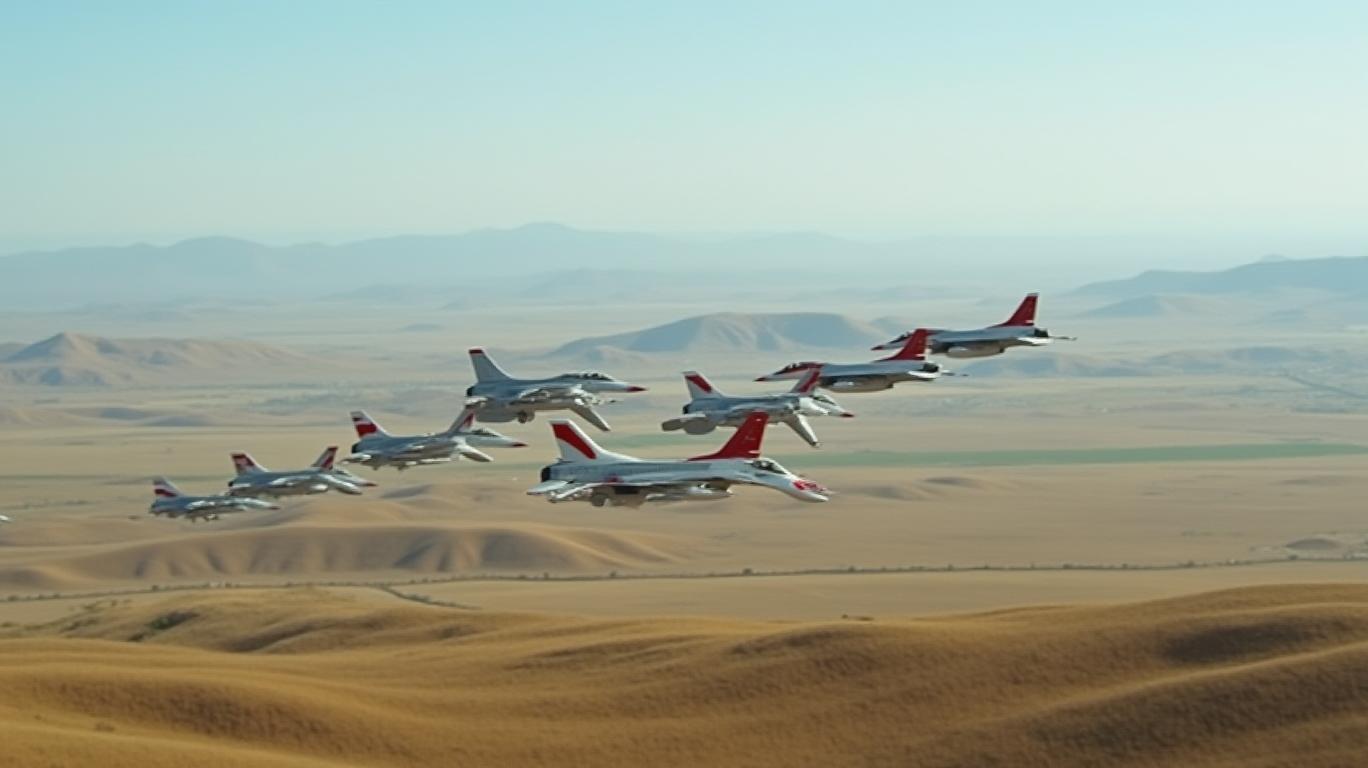
The stopwatch is ticking, and it’s a lot louder than the hum of a jet engine. Fatih Birol, the head of the International Energy Agency (IEA), just dropped a bombshell that should make every traveler and logistics manager in Europe break into a cold sweat. According to Birol, Europe has about six weeks of jet fuel left before the tanks run dry. That isn't a vague projection for next year. It’s a countdown happening right now, in April 2026.
If the Strait of Hormuz stays blocked, your summer vacation isn't just "at risk." It’s basically a fantasy. We aren't just talking about a few delayed flights or annoying surcharges. We’re looking at a systemic collapse of European aviation connectivity. When the IEA chief says "city A to city B" flights will start vanishing from the boards, he isn't being dramatic. He’s looking at the math of a continent that has offshored its energy security for decades and is finally getting the bill.
The Math of a Dwindling Reserve
You might wonder why a continent as wealthy as Europe is only six weeks away from a total standstill. The answer is 75%. That’s the staggering portion of Europe’s net jet fuel imports that come directly from the Middle East. When the Strait of Hormuz—the world’s most vital energy artery—gets choked off, the supply chain doesn't just slow down. It breaks.
Right now, over 110 oil tankers and 15 LNG carriers are sitting idle in the Persian Gulf, effectively trapped behind a geopolitical wall. Even if a peace deal were signed tomorrow, the physical damage to energy infrastructure in the region is catastrophic. Birol noted that over 80 key assets have been hit, with a third of them "severely" damaged. This isn't a "flip the switch" situation. We’re looking at a two-year recovery period to get back to pre-war production levels.
Beyond the Boarding Gate
It’s easy to focus on the airline industry because that’s where the pain is most visible. KLM and easyJet are already sounding the alarm, even if they’re trying to keep the public calm. KLM has already moved to cut 160 flights at Schiphol because the cost of kerosene has made those routes "financially unviable." But the rot goes deeper than your weekend getaway to Ibiza.
- Global Inflation: When jet fuel costs skyrocket, everything that moves by air becomes more expensive. This includes high-value electronics, time-sensitive medical supplies, and luxury goods.
- The Toll Booth Precedent: Iran’s new "toll booth" system for the Strait—demanding fees in their own currency—is a terrifying glimpse into a future where global trade routes are balkanized. If this sticks, don't be surprised when other strategic chokepoints like the Malacca Strait start doing the same.
- Uneven Suffering: Birol was blunt about who gets hit first. It’s the "weaker economies" in Asia, Africa, and Latin America. Europe feels the pinch now, but the global south is facing an existential threat to growth and stability.
Why the Current Oil Price is a Lie
You might look at the ticker and see Brent crude hovering around $95 or $100 and think, "We’ve been here before." You’re wrong. Today's crisis isn't driven by market speculation or "fear" like the 1970s oil shocks. This is a physical supply loss. It’s the largest we’ve ever seen. The price doesn't yet reflect the reality because many refineries are still burning through the last of their domestic stocks.
When those six weeks are up, the price won't just "go up." The product simply won't be there to buy at any price. We’re moving from an era of expensive energy to an era of energy scarcity. That’s a fundamentally different beast for the economy to wrestle with.
What You Should Do Now
Don't wait for the official "grounding" announcement to change your plans. If you're running a business that relies on air freight, diversify your logistics immediately. Move what you can to sea or rail, even if it’s slower. The era of "just-in-time" air delivery is hitting a massive wall.
For travelers, the advice is simple but harsh: stop booking non-refundable international flights for the summer. If you must travel, look for carriers with robust domestic fuel hedging or those operating out of regions less dependent on the Hormuz supply. But honestly? Stay grounded. The next few months are going to be a masterclass in why energy independence actually matters. If Europe doesn't find a way to pivot to alternative energy or secure new supply lines within the next 45 days, the "Dire Straits" won't just be a band your dad likes—it'll be the new reality for an entire continent.