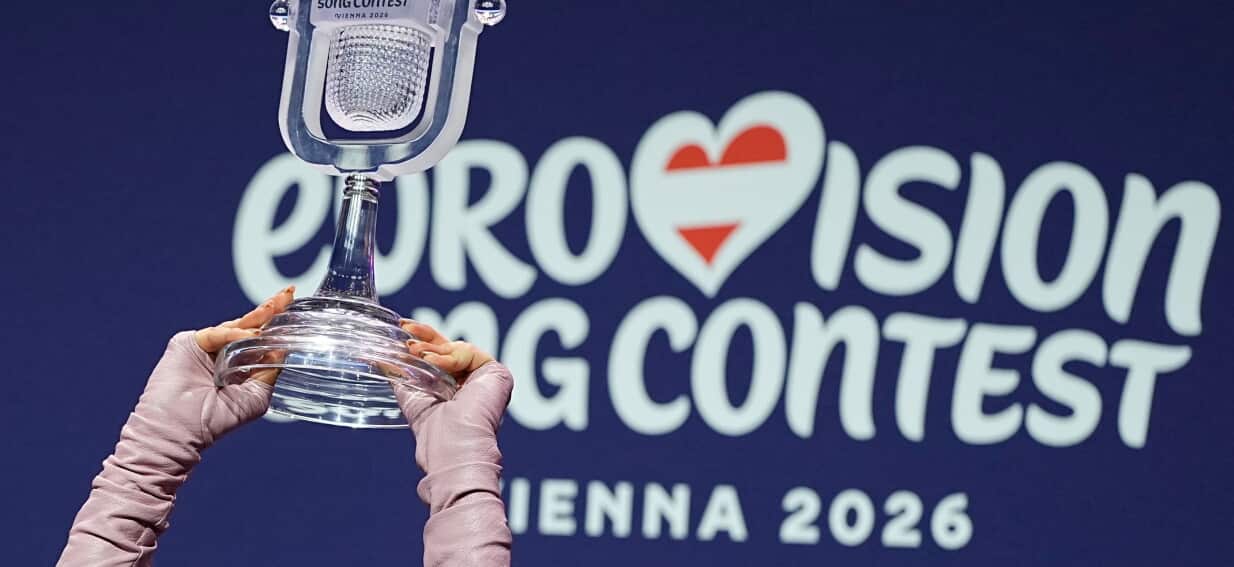
The music contest used to be about cheesy pop songs and flashing lights. Now it is a political minefield. When the Dutch public broadcaster AVROTROS announced it would skip the Eurovision Song Contest for a second consecutive year, it proved something most organizers refuse to admit. The famous music competition is cracking under the weight of global conflict, and glitter cannot fix it.
If you think this is just a passing drama over a TV show, you are missing the bigger picture. Eurovision was built after World War II to unite fractured European nations through music. Today, it highlights every deep geopolitical fracture on the continent. The decision by the Netherlands to pull out of the 2027 contest in Bulgaria points directly at a crisis of neutrality that the European Broadcasting Union has failed to solve.
Why The Dutch Walked Away
The core issue comes down to transparency and basic values. AVROTROS director-general Taco Zimmerman didn't mince words when explaining the choice. He stated clearly that the event can no longer claim to be neutral while a participating country remains locked in a devastating large-scale military conflict.
The friction centers heavily on Israel's continued participation despite the immense humanitarian toll of the war in Gaza. While organizers rolled out minor adjustments—such as banning any country involved in an armed conflict from hosting the event—these changes fell flat. For the Netherlands, banning a winner from hosting while still letting them compete is a half-measure. It avoids the hard choices. AVROTROS wanted a strict, transparent framework for who gets to take the stage. When that framework didn't materialize, they walked.
The Domino Effect Of Boycotts
The cracks started showing long before this latest announcement. Last year's contest in Vienna saw five countries sit out entirely, including Iceland, Ireland, Slovenia, Spain, and the Netherlands. Viewership numbers cratered by tens of millions as fans tuned out or actively boycotted the broadcast. Former winners even mailed their trophies back in protest.
This is not sustainable for a show that relies entirely on mass commercial appeal and warm international harmony. When musicians and cultural figures sign open letters by the thousand demanding intervention, the illusion of apolitical escapism evaporates. You cannot separate a song contest from real-world casualties when the audience and the artists refuse to separate them.
Can Eurovision Survive Its Own Identity Crisis?
Organizers like to pretend that music heals all divisions. Sometimes it does. Most of the time, it just amplifies the shouting match.
The EBU faces an impossible choice. If they crack down and exclude nations based on military actions, they risk accusations of bias and political interference. If they keep status quo rules to protect broad participation, they bleed credibility, viewership, and foundational members like the Dutch.
Expect more friction before things stabilize. Other broadcasters are watching how the Netherlands handles its ongoing exclusion. If public pressure mounts back home, more western European delegations might follow suit.
The contest needs a massive structural overhaul. Cosmetic rule tweaks about who gets to host won't cut it anymore. Until the leadership tackles the core question of participation standards head-on, Eurovision will remain less a celebration of music and more a weekly test of corporate damage control. Stop pretending it is just about the songs. The politics were always there, but now they are driving the car.


