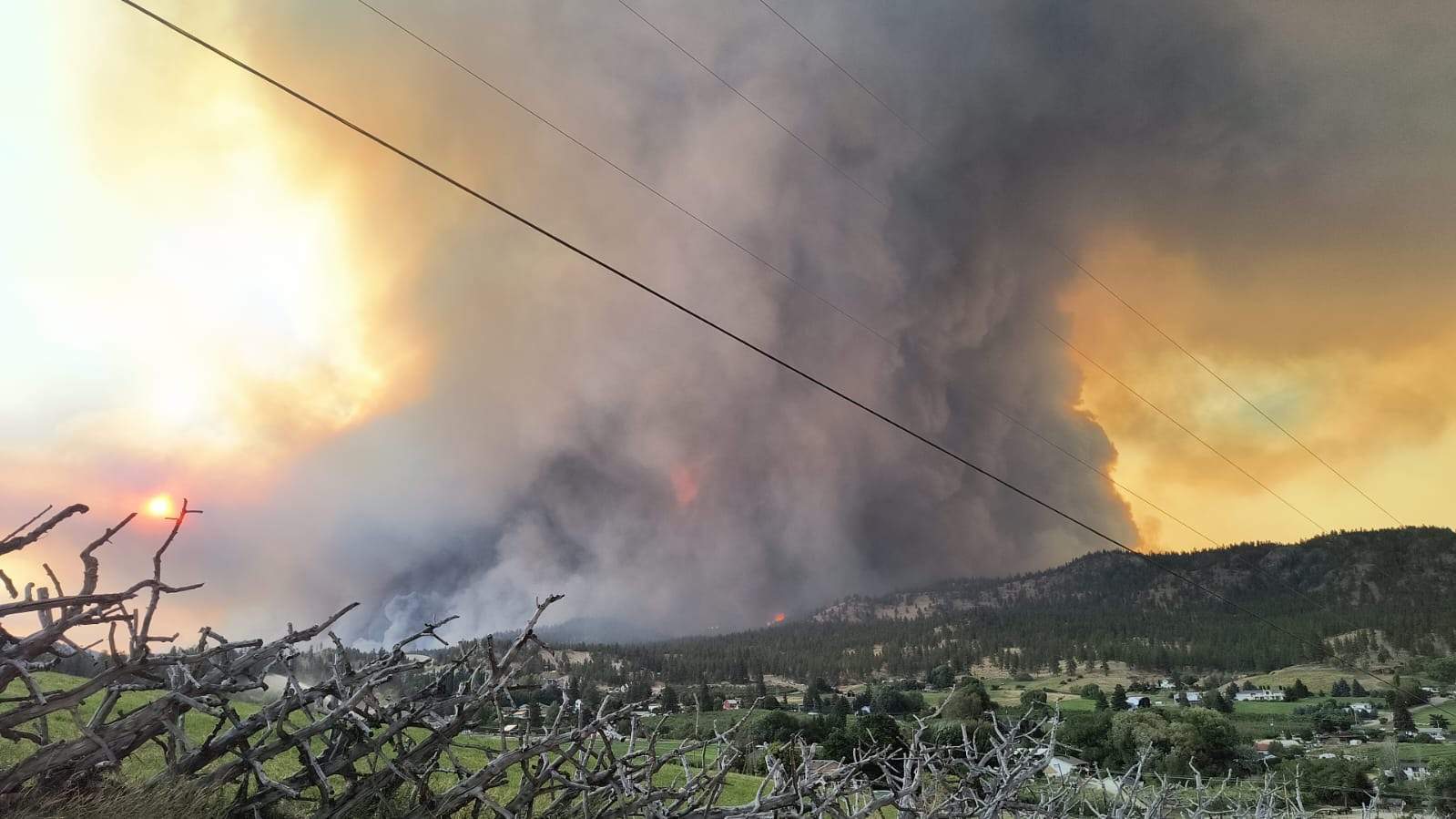
Twenty thousand people on the move. Tail-lights stretching into the dark highway gloom. Emergency alerts blaring on every smartphone within a hundred-mile radius. The media loves this narrative. It plays well on the evening news: the heroic flee, the advancing wall of orange flame, the sheer apocalyptic theatre of a British Columbia summer.
Stop buying the panic.
I have watched emergency management systems burn through massive budgets while relying on twentieth-century reflexes. Every single time a lightning strike hits the dry timber of the interior, the playbook defaults to a single, lazy command: run.
This approach is mathematically broken. Blanket evacuation orders sound cautious, but they multiply chaos, paralyze critical infrastructure, and often place citizens directly into greater physical jeopardy on gridlocked escape routes than staying put behind structured defense perimeters.
The Flawed Logic of Mass Flight
Look at the standard protocol. A fire sparks twenty kilometers outside a municipality. Wind shifts. Officials panic about liability, draw a red circle on a map, and trigger a mass exodus.
This is not risk management. This is risk displacement.
When you force twenty thousand residents onto two-lane mountain highways simultaneously, you create artificial bottlenecks. Vehicles run out of fuel. Accidents block the single exits. Communications drop. You trade a manageable, defensible shelter-in-place scenario for an open-air parking lot surrounded by dry brush.
Forestry experts and emergency logistics professionals who study fire behavior know a dirty secret: most structures do not burn because a wall of flames rolls over them. They burn because wind-borne embers travel a mile ahead of the front, landing on untreated cedar shake roofs, dry pine needles in gutters, and woodpiles stacked against back porches.
Evacuating the people does nothing to stop the embers. In fact, it removes the only inhabitants capable of stamping out small spot fires before they consume entire neighborhoods.
Redefining Defensible Space
We need to stop treating every wildfire like a movie monster that must be outrun. We need to treat it like an engineering challenge.
Real preparation happens months before the first spark flies. It looks like mandatory metal roofing ordinances, aggressive brush clearing within thirty meters of foundations, and localized sprinkler networks tied to private water cisterns.
During an active event, the safest place for a homeowner trained in basic ember watch is often right at home. Communities in Europe and parts of Australia have shifted toward neighborhood defense models. Instead of clogging regional transit arteries, residents stay behind with specialized gear, monitoring roofs and putting out spot fires while professional crews tackle the primary flanks.
Insurance companies and municipal planners hate this because it shifts liability. It requires trusting citizens to take responsibility for their properties rather than treating them like helpless victims waiting for a bus.
Dismantling the Myths of Fire Season
People ask why we cannot simply dump more water from the sky until the fire goes out. The answer exposes a fundamental misunderstanding of thermodynamics.
Aerial firefighting is a tactical delay tactic, not a solution. When relative humidity drops into the teens and winds gust at fifty kilometers an hour, water dropped from a Hercules aircraft evaporates before it even hits the tree canopy. Pours of retardant cost hundreds of thousands of dollars per flight hour and only slow down low-intensity ground fires. Against a crown fire driven by extreme drought, air tankers are expensive water balloons thrown at a freight train.
Another persistent falsehood claims that historic suppression policies caused every current crisis. While decades of total suppression allowed fuel loads to build up in certain ecosystems, blaming past policy ignores climate realities. The fire season is longer because snowpacks melt a month earlier, and spring droughts cure fine fuels into tinder before June even arrives.
Fixing this requires abandoning the illusion of total control. We cannot suppress every fire, and we cannot evacuate every valley every time the sky turns hazy.
The Cost of Overreaction
Every mandatory evacuation order carries a massive economic and psychological toll. Small businesses lose peak-season revenue they can never recover. Livestock are left behind in pastures because transport trailers are scarce. Families rack up thousands of dollars in temporary accommodation bills while waiting for politicians to give an all-clear that gets delayed purely out of an abundance of legal caution.
When you cry wolf with blanket orders too often, citizens stop listening. They ignore the next alert, stay behind anyway without proper preparation, and create a genuine rescue nightmare when conditions turn fatal.
We require a tiered response system that scales protection to individual property readiness. If your home has zero defensible space, you leave. If your property is hardened against embers and you have independent power and water, you stay and fight the sparks.
Stop romanticizing the frantic exodus. Start demanding infrastructure that lets us stand our ground.
Leave the keys in the ignition and the garden hoses turned off, and watch the ashes pile up while you wait for permission to return to a ruin that could have been saved.


/cdn.vox-cdn.com/uploads/chorus_asset/file/22155007/doc_ock.jpg)