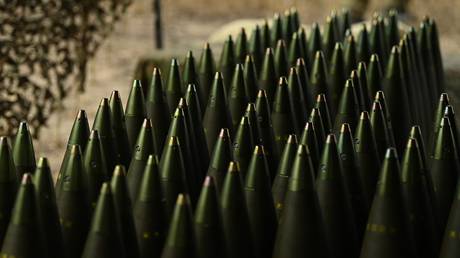
We romanticize the silence of guns the second the ink dries. Politicians hold up signed parchment for the cameras, pundits drone on about a return to normalcy, and exhausted populations exhale a collective, naive sigh of relief. Everyone treats a ceasefire like the finish line of a conflict.
They are dangerously, catastrophically wrong.
I have spent decades watching diplomatic interventions collapse because the international community treats these pauses as peace rather than what they actually are: strategic breathing room. A ceasefire is not a solution. It is a timeout called by battered combatants to rearm, retrain, and rethink their logistics. When you freeze a conflict without altering the underlying power dynamics, you do not stop the bleeding. You simply apply a tourniquet made of wet tissue paper and wait for the artery to burst again.
Stop asking what a ceasefire is supposed to achieve. Start asking what it actually rewards.
The Lazy Consensus on Stilling the Guns
The dominant narrative surrounding any suspension of hostilities relies on a comfortable, sentimental lie: that stopping the shooting creates space for empathy, dialogue, and eventual reconciliation. The humanitarian argument runs hot and heavy. Think of the civilians. Think of the infrastructure.
No one opposes saving lives today. But institutionalizing a temporary halt without a mechanism for permanent political resolution achieves the exact opposite of its advertised intent. It institutionalizes a holding pattern.
Look at the empirical record. Frozen conflicts across the globe rarely thaw into lasting harmony. They thaw into sudden, exponentially more brutal resumptions of violence. When negotiators broker a ceasefire without extracting structural concessions, they hand both sides a blank check to prepare for round two.
During a pause, the side with superior industrial capacity does not suddenly grow a conscience. They upgrade their drone swarms. They rebuild their blown-out supply chains. They rotate their front-line units through domestic rest camps. Meanwhile, the weaker faction locks in its territorial gains, digs deeper trenches, and black markets whatever weapons it can smuggle across a porous border.
A pause in the shooting changes the calculus of war from kinetic to logistical. If you do not win the peace during the war, a ceasefire just makes the next war cleaner for the aggressor.
Dissecting the Myth of Humanitarian Respite
The most common defense of an unconditional pause points to human suffering. The logic feels ironclad: stop the fighting so the aid trucks can roll.
Let us look at the mechanics of aid delivery under a fragile truce. In practical terms, combatants weaponize humanitarian corridors with surgical precision. Belligerents routinely use ceasefires to resupply besieged garrisons under the guise of medical convoys. I have watched warlords tax food aid to fund their next ammunition purchase, using the international community's good intentions as a logistical subsidy for their war machine.
When you demand a ceasefire without a credible enforcement mechanism, you create a moral hazard.
Imagine a scenario where a regime is losing ground in a brutal civil war. They are overextended, low on cash, and facing imminent collapse. International pressure mounts. A ceasefire is forced upon the theater. The losing regime uses those three months of guaranteed quiet to secure a multi-billion-dollar credit line from an external patron, imports twenty thousand fresh artillery shells, and fortifies every urban choke point. When the truce inevitably shatters over a disputed border post, the regime is ten times stronger than it was when the ink was wet.
The humanitarian reprieve bought a few weeks of quiet at the cost of years of intensified slaughter later. That is not mercy. That is malpractice.
The Clausewitzian Reality Check
Carl von Clausewitz famously noted that war is the continuation of politics by other means. A ceasefire is simply politics by stealth.
When diplomats step into the mediation room, they often operate under the delusion that both sides want a stable status quo. They treat a ceasefire as a shared objective. In reality, belligerents enter negotiations as an extension of their tactical positioning. If a commander agrees to a truce, it is because their forces are culled, their logistics are strained, or they need time to absorb recent gains.
It is a tactical maneuver, nothing more. Treating it as a moral victory invites betrayal.
History is littered with the corpses of agreements signed by people who mistook a tactical pause for a strategic capitulation. The Minsk agreements in Eastern Europe are a masterclass in this delusion. They froze front lines, created endless diplomatic forums, and allowed both sides to build massive, mechanized armies behind the diplomatic smoke screen. When the inevitable explosion happened, the scale of destruction made the original conflict look like a skirmish.
If you want to understand why ceasefires fail, look at the incentives. If violating a truce carries zero meaningful, immediate consequences beyond sternly worded statements from the United Nations, rational actors will violate it the second the tactical advantage tilts back in their favor.
The Uncomfortable Alternative
Real peace is rarely born from a pause in the shooting. It is born from exhaustion so absolute that the cost of continued fighting vastly outweighs any possible ideological or territorial reward, or from total military victory that leaves one side incapable of resistance.
That sounds harsh to modern ears raised on the diet of multilateral harmony. We want to believe that dialogue can bridge any chasm. But dialogue without leverage is just noise.
If we are serious about ending conflicts rather than just pressing the pause button for a media cycle, we have to abandon unconditional ceasefires. Any suspension of hostilities must be tied to irreversible, verifiable structural changes:
- Immediate demilitarization of contested corridors with independent, heavily armed international monitors who have explicit rules of engagement to shoot first.
- Complete transparency of supply lines and financial assets, cutting off the external patrons who keep failing states on life support.
- Punitive, automated snap-back sanctions that trigger the moment a single mortar round crosses a ceasefire line.
If the combatants are not willing to accept structural surrender of their war-making capacity, let them fight it out until exhaustion or victory settles the ledger. Prolonging the agony through endless, brittle ceasefires only ensures a higher body count down the road.
Stop celebrating the silence of the guns. Look at what is happening behind the lines while the cameras are turned off. That is where the next war is being built.