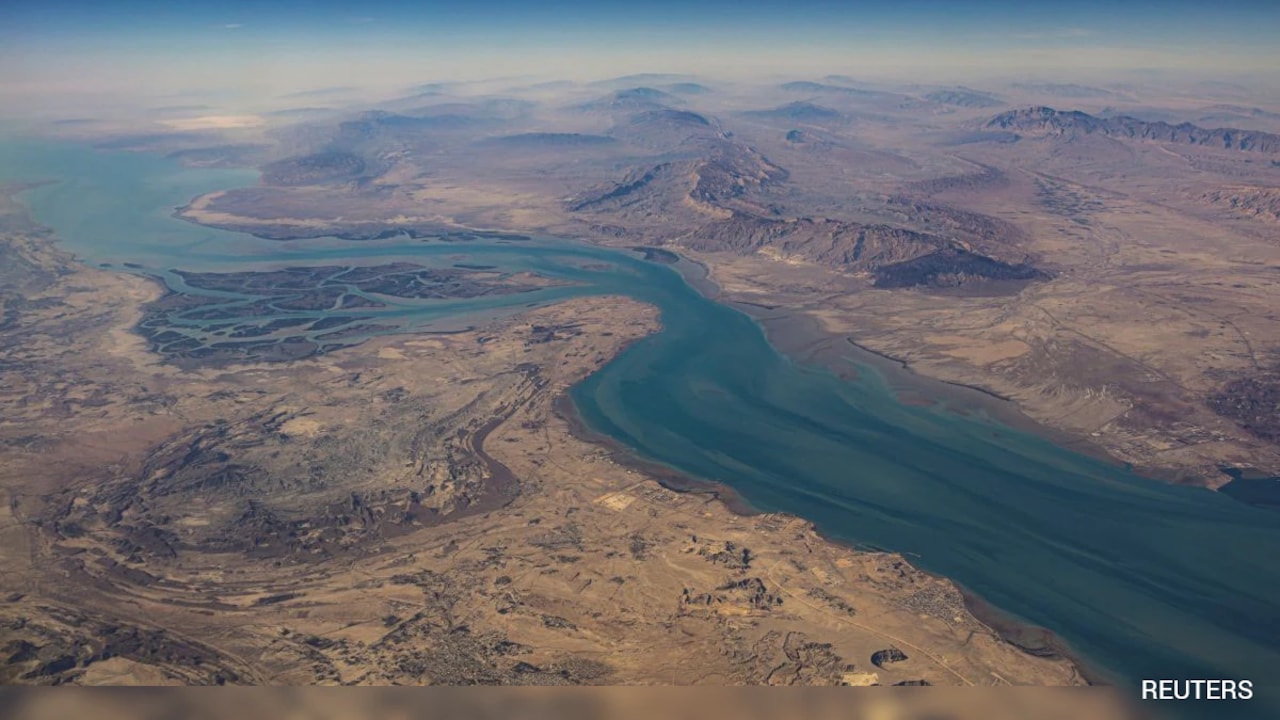
The standard reporting on maritime incidents in the Strait of Hormuz follows a predictable, lazy script. A vessel reports an anomaly, a strike, or a close encounter. Washington immediately points a finger at Tehran. Tehran issues a flat denial or remains strategically ambiguous. Media outlets then run frantic commentary about a looming closure of the world’s most critical energy chokepoint, oil prices spike by two dollars a barrel, and analysts on cable news clutch their pearls about regional stability. Everyone treats these flashpoints as accidental sparks that might accidentally ignite a third world war.
That framing is amateur hour.
I have spent years watching defense contractors, intelligence analysts, and naval strategists misread these specific friction points. The lazy consensus assumes that a kinetic event in the Persian Gulf is either a desperate act of aggression by Iran or a false flag waiting to be unmasked. Both theories miss the actual mechanics of modern gray-zone deterrence. These incidents are neither chaotic accidents nor prelude-to-invasion moments. They are meticulously calibrated pressure valves.
The Real Economics of Chokepoints
Let us look at the physical reality of the Strait of Hormuz. Roughly a fifth of the world’s petroleum passes through a shipping lane that narrows to two miles wide in both inbound and outbound directions. If Iran actually wanted to close the strait permanently, they would not rely on harassing commercial tankers with fast-attack craft or launching ambiguous projectiles. They possess thousands of anti-ship cruise missiles, coastal defense batteries, and an extensive inventory of sea mines that could turn that corridor into a maritime graveyard within forty-eight hours.
They do not do this because a total blockade is a suicide pill. The moment the strait closes completely, China—Iran’s primary economic lifeline and the destination for the vast majority of its sanctioned oil exports—loses its energy supply. Tehran would instantly alienate its only major superpower patron.
Therefore, any narrative suggesting that a localized vessel strike signals an imminent total closure of the gulf demonstrates a fundamental misunderstanding of regional strategy. Iran operates on the margin, not the absolute. They use localized, deniable friction to remind global markets that the cost of maximum pressure campaigns against their economy is regional insecurity. When Washington claims an attack is an unprovoked outrage against international shipping, they are performing their half of the script. They need a perpetual justification for carrier strike group deployments and forward-facing force posture in the CENTCOM area of operations.
Deconstructing the Claims
When an incident is reported, the information flow is immediately corrupted by political expedience.
- The Attack Was Unprovoked: This ignores the invisible economic warfare happening beneath the surface. Sanctions enforcement, asset freezes, and the interdiction of Iranian ghost-fleet tankers by Western navies are acts of economic strangulation. Calling a kinetic response "unprovoked" treats economic warfare as peaceful commerce.
- The Technology Proves Attribution: Defense departments love to release grainy FLIR footage or telemetry data pointing directly to Iranian Revolutionary Guard Corps speedboats. While the hardware identification is often accurate, the strategic intent behind the deployment is routinely misread. A harried warning shot or a targeted limpet mine placement is tactical communication disguised as terrorism.
- Oil Markets React to Danger: Traders price in fear because fear is profitable. Every time an incident occurs, futures contracts surge, transferring billions of dollars to energy conglomerates and hedging desks. The geopolitical theater directly subsidizes financial speculation.
The Danger of Linear Thinking
The primary vulnerability in how Western capitals analyze these events is a reliance on linear escalation models. The assumption goes like this: harassment leads to retaliation, retaliation leads to wider conflict, and wider conflict leads to total war.
Realpolitik does not work that way. Both Washington and Tehran are operating within a well-defined threshold of violence. They dance along the edge of the blade because neither side wants a totalizing, economy-breaking conventional war. Iran’s asymmetric doctrine is designed specifically to inflict maximum psychological and economic drag on the United States without crossing the threshold that triggers a massive, regime-ending retaliation.
When a vessel reports an explosion or a suspicious approach, stop looking at it as a military crisis. Look at it as a diplomatic telegram written in high explosive.
What Actually Happens Next
Stop waiting for a decisive military showdown in the Persian Gulf. There will be no dramatic amphibious invasion, no sudden blockade that starves the global economy, and no sudden peace treaty that resolves decades of ideological animosity.
Instead, expect endless repetition. More ambiguous strikes. More furious denials. More multi-million-dollar interceptor missiles fired at cheap drones. The perpetual crisis is the point. It justifies budgets, keeps oil flowing at acceptable risk premiums, and gives domestic politicians on all sides a convenient external bogeyman to rally populations against.
The next time an alert flashes across your screen about a damaged tanker in the Gulf, remember that you are watching a heavily scripted play where both lead actors desperately need the show to keep running indefinitely.
Don't buy tickets for the finale. There isn't one.