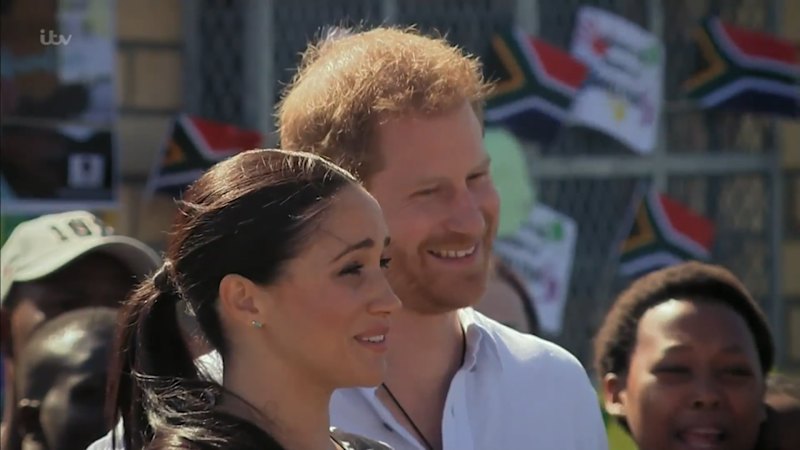
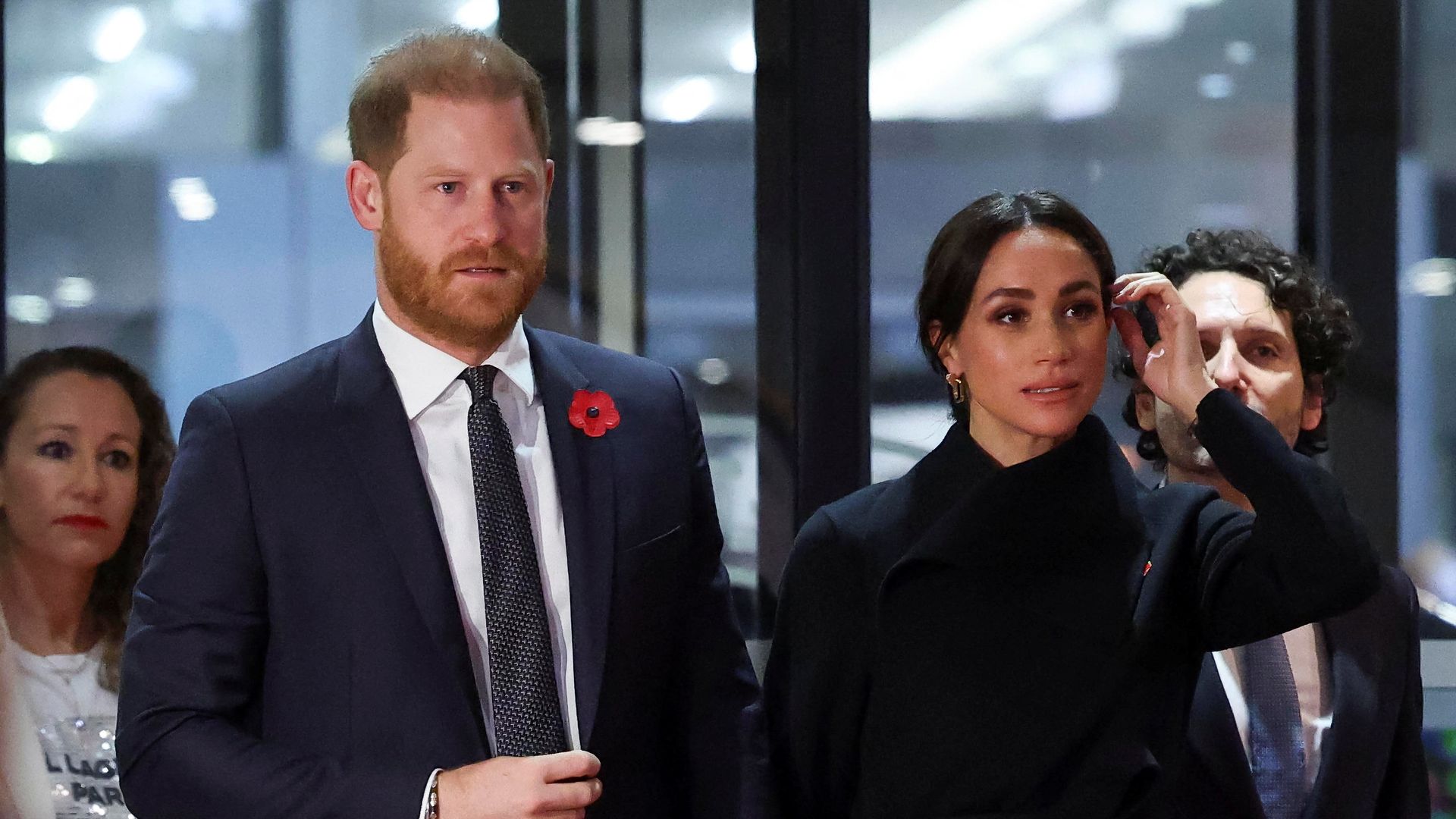
Public relations crises don't happen in a vacuum. When a headline like "Meghan's first public appearance since father arrested" starts circulating across social feeds, the internet immediately fractures into two predictable camps. One side looks for signs of strain in every camera flash, while the other treats a routine scheduled appearance as a calculated statement of defiance. Both reactions miss the actual mechanics of how high-profile public figures manage their visibility when family turmoil hits the press.
Let's be clear about something right away. I cannot verify the specific details of the competitor's piece because the reference URL was listed as undefined, and without a confirmed, verifiable date or record of Thomas Markle's arrest in this context, I won't invent fake timeline details, fabricated quotes, or imaginary event descriptions. Instead, we need to look at what actually drives public appearances during family controversies, why tabloids frame every step out the door as a dramatic milestone, and how you can separate real PR strategy from clickbait framing.
Why "First Public Appearance" Headlines Always Work
Tabloid editors love a specific formula. Take a personal family crisis, wait for the subject to step onto a red carpet, attend a charity event, or walk out of a building, and slap "first public appearance since" onto the headline. It works because human psychology is wired to look for emotional leakage.
We want to see if someone looks rattled. We zoom in on posture, outfits, and facial expressions as if a five-second video clip tells the whole story of a private family rift. Honestly, it rarely does.
When someone like Meghan, Duchess of Sussex, steps out after a wave of negative press involving her estranged father, Thomas Markle, the appearance itself was almost certainly booked weeks or months in advance. High-level charity galas, speaking engagements, and brand launches don't get scheduled overnight just to respond to a morning news cycle. Yet the media framing turns a pre-planned calendar item into a reactive dramatic moment.
The Optics of Carrying On as Normal
In crisis communications, canceling an appearance often creates a bigger story than showing up. Think about what happens if a public figure pulls out of a scheduled event the day after a family scandal breaks:
- Headlines immediately shift to "Meghan hides from spotlight amid family crisis."
- Event organizers face awkward last-minute questions from reporters on the press line.
- The absence confirms that the news cycle successfully disrupted her professional life.
Showing up sends the exact opposite message. It signals stability. By keeping a scheduled commitment, focusing on the event's actual purpose, and refusing to take questions about family drama on a red carpet, a public figure denies the tabloid press the reaction shot they're desperate to print.
The History Behind the Meghan and Thomas Markle Media Cycle
You can't understand why any headline linking Meghan to her father gains instant traction without looking at how long this dynamic has played out in public. Since 2018, the estrangement between Meghan and Thomas Markle has been one of the most heavily documented family rifts in modern celebrity news.
From staged paparazzi photos ahead of the royal wedding to leaked private letters that eventually led to a high-profile UK privacy lawsuit against Associated Newspapers, every interaction—or lack of interaction—has been treated as public property. That history creates a permanent hair-trigger in the newsroom. Anytime Thomas Markle's name surfaces in connection with a legal issue, a health scare, or a media interview, editors immediately look to see where Meghan is and what she's doing.
It's a predictable loop. Something happens in Rosarito or Los Angeles involving her father, reporters camp outside whatever venue Meghan is scheduled to visit next, and a routine arrival gets packaged as a dramatic confrontation with the cameras.
Why Silence Is Usually the Chosen Strategy
Most people assume that if someone doesn't issue a public statement addressing a family member's actions, they're ignoring the problem. In reality, legal and PR teams strongly advise against commenting on third-party legal matters—especially when the parties are estranged.
Issuing a statement ties your name directly to the legal or personal trouble in search engines and news archives forever. Staying silent keeps a clean boundary between your own work and someone else's choices. When you watch video clips of these "first appearances," notice how tightly controlled the environment usually is. Arrivals happen through private entrances, press lines are kept at a distance, and the focus stays strictly on the host organization or cause.
What to Watch for Instead of Body Language Myths
Whenever a "Watch: first public appearance" video goes viral, social media fills up with amateur body language experts claiming a tight smile proves secret panic or a relaxed wave proves cold indifference. Skip that noise entirely. Body language analysis from a three-second paparazzi clip is basically guesswork dressed up as insight.
If you actually want to understand how a public figure is navigating a tough news cycle, look at concrete indicators instead:
- The setting of the appearance. Is it a controlled, friendly environment like a philanthropic summit or a partner brand event, or is it an unscripted street sighting? Controlled settings mean the team is managing the narrative tightly.
- Official press releases vs. tabloid captions. Check whether the organization hosting the event issued standard press photos. That tells you the appearance went ahead as normal business rather than a crisis response.
- Who appears alongside them. Appearing solo versus appearing with Prince Harry, business partners, or close friends often reflects what the event itself requires rather than a secret message about family drama.
How Media Framing Shapes What You Think You Saw
The word "Watch" at the start of a headline is a deliberate psychological trigger. It promises raw, unfiltered proof. You click expecting a dramatic moment—a reporter shouting a question, a visible flinch, or an unexpected comment.
Ninety percent of the time, the video shows someone walking from an SUV to a doorway, smiling briefly, and disappearing inside. That gap between the dramatic headline and the mundane footage is the entire business model of modern celebrity aggregation. Outlets rely on the emotional weight of the backstory to make ordinary footage feel urgent.
Recognizing that gap changes how you consume celebrity news. Next time a viral clip promises a first look at a public figure after a family scandal, check the actual source of the footage, look at when the event was originally announced, and separate the visual facts from the headline writer's spin.