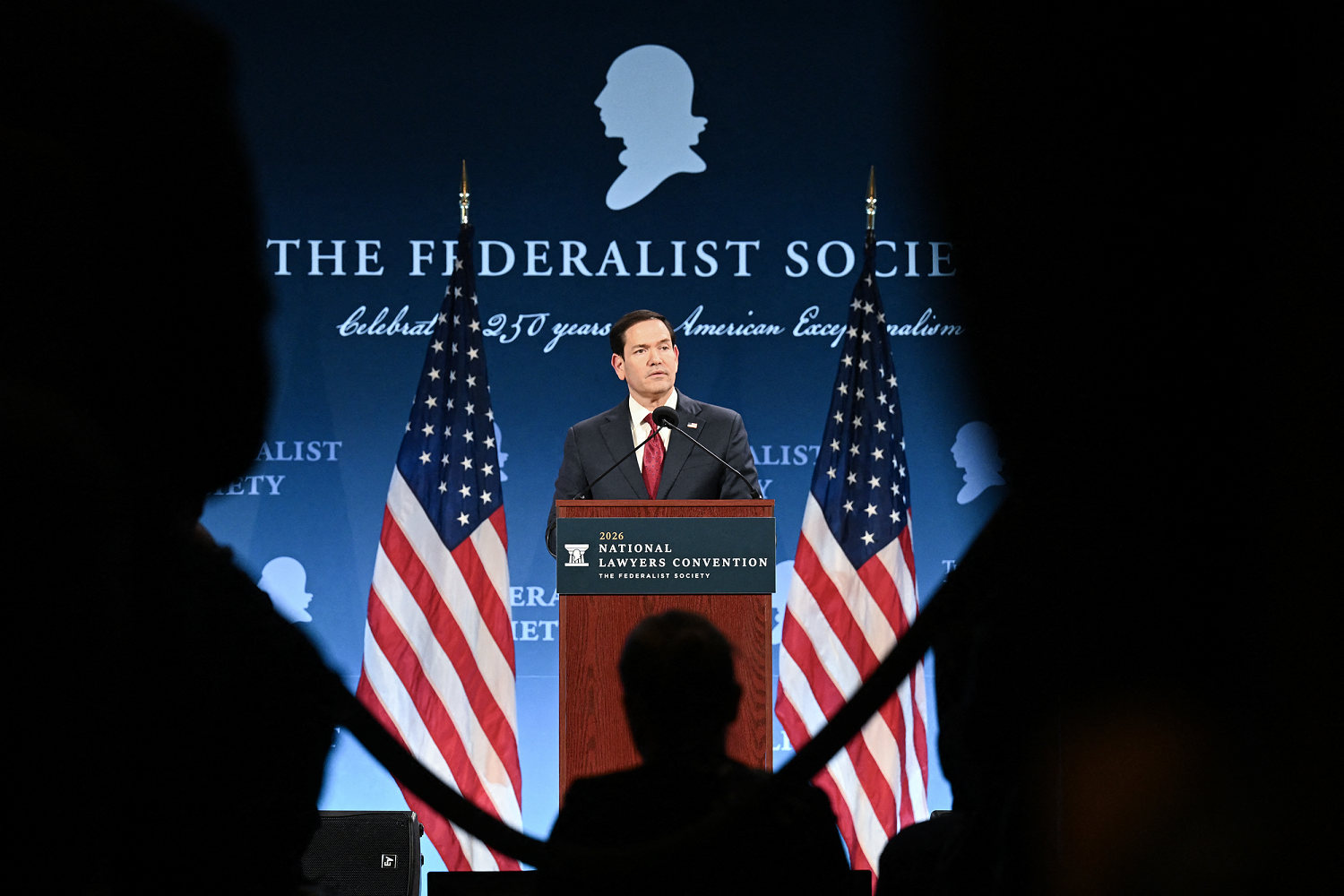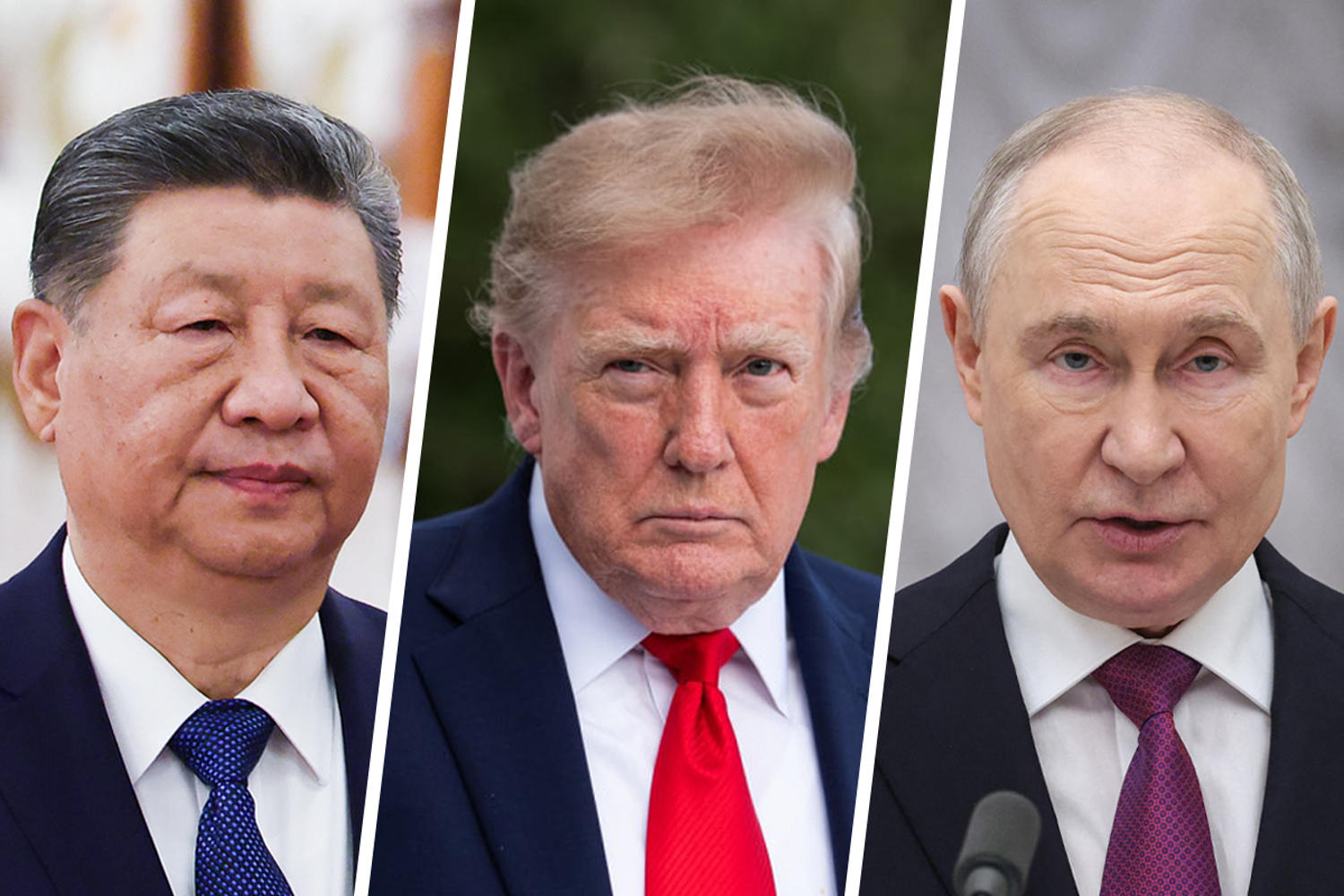
Washington just dropped a diplomatic bombshell, and most cable news panels are already reading the room completely wrong.
U.S. officials confirmed that President Donald Trump is heading to China next week for high-stakes sit-downs with both Chinese President Xi Jinping and Russian President Vladimir Putin. Think about that geometry for a second. Three nuclear superpowers, two authoritarian leaders who've spent years building an anti-Western bloc, and an American president who prefers face-to-face dealmaking over multilateral choreography.
If you're looking at this through the lens of traditional diplomatic summits, you're going to miss the real story. State Department veterans usually spend eighteen months scripting every handshake, communiqué, and seating chart before a president boards Air Force One. That playbook is dead. Next week isn't about signing pre-baked treaties or issuing polite joint statements about "shared global challenges." It's raw transactional power politics playing out in Beijing's backyard.
Why Beijing Is Hosting This Three-Way Showdown
Location matters in diplomacy. Xi Jinping didn't agree to host both Trump and Putin on Chinese soil out of sudden generosity.
For Beijing, bringing the American and Russian presidents to China accomplishes something massive before a single word gets spoken behind closed doors. It visually cements China as the indispensable diplomatic hub of the 21st century. Xi gets to stand in the center of the frame while Washington and Moscow come to him.
Let's look at the leverage sitting on the table right now. China's economy has been wrestling with sluggish domestic consumption, a lingering property slump, and heavy tariff pressure from Washington. Xi needs breathing room on trade and semiconductor restrictions. At the same time, Beijing has quietly absorbed cheap Russian oil and dual-use goods while absorbing Western criticism for propping up Moscow's wartime economy.
Hosting both men puts Xi in the ultimate broker's seat. He can nudge Putin toward a frozen conflict in Ukraine to relieve European secondary sanctions pressure, while dangling trade concessions and rare-earth stability in front of Trump. Honestly, it's a masterclass in diplomatic positioning.
The Trap of Assuming a Formal Trilateral Summit
Hold on. Read the official phrasing from U.S. officials carefully.
Trump is scheduled to meet with Putin and Xi in China next week. Notice what that doesn't automatically mean. It doesn't guarantee a three-way photo op where Trump, Xi, and Putin link arms around a single table. In diplomatic parlance, separate bilateral meetings taking place on the sidelines of a broader hosting arrangement—or sequential sit-downs in the same city—carry vastly different legal and political weight than a formal trilateral summit.
A formal trilateral summit implies equal footing and a shared three-way agenda. Washington knows how toxic a cozy three-man stage looks to European allies in NATO and Indo-Pacific partners like Japan and South Korea. Keeping the meetings structurally distinct—even if they happen within 48 hours in the same Chinese city—gives the White House plausible deniability. Trump can tell Tokyo and Brussels he didn't carve up the world in a smoke-filled room with two autocrats, while still testing what deals can actually be cut.
What Trump Actually Wants From Putin and Xi
Forget the ideological framing you hear from think tanks in D.C. Trump approaches foreign policy like a distressed-asset investor looking at balance sheets, leverage points, and immediate exits.
When he sits across from Vladimir Putin, the obvious headline item is Ukraine. Trump has repeatedly argued that the war drains American resources and pushes Russia deeper into China's orbit. To get a ceasefire, Trump will likely test whether Putin is willing to freeze front lines in exchange for sanctions relief and a halt to NATO expansion talks.
Here's the catch nobody wants to say out loud. Putin thinks time is on his side. Unless Trump brings a credible threat—either flooding Kyiv with unrestricted long-range weaponry or crashing global oil prices through domestic U.S. production surges—Moscow has little reason to settle for half of what it wants.
With Xi Jinping, the math is completely different. Trump cares about three concrete metrics with Beijing:
- The bilateral trade deficit and enforcement of agricultural and energy purchase commitments.
- Fentanyl precursor crackdowns inside Chinese chemical manufacturing hubs.
- Taiwan Strait stability, specifically ensuring Beijing doesn't make a kinetic move while Washington untangles European security commitments.
Notice a pattern? None of those require Trump and Xi to become best friends. They require clear red lines and verifiable numbers.
The Quiet Wedge Between Moscow and Beijing
If you've followed Eurasian geopolitics over the last few years, you've heard endless chatter about the "no-limits" partnership between Russia and China. Take it with a massive grain of salt.
Historians and intelligence analysts who actually track Sino-Russian border dynamics know that partnership is built on convenience, not trust. Russia is rapidly becoming Beijing's junior resource colony. Moscow sells crude oil and natural gas to China at steep discounts because European pipelines are dead, while Chinese automakers and electronics firms have swallowed the Russian consumer market whole. Russian elites privately hate being the little brother in that relationship.
Trump's team knows this. One of the oldest plays in American statecraft—dating back to Richard Nixon and Henry Kissinger's 1972 opening to Mao Zedong—is driving a wedge between Moscow and Beijing. Back then, Washington exploited the Sino-Soviet split to isolate the USSR. Today, the polarity is flipped. China is the rising peer competitor, and Russia is the weakened, heavily sanctioned junior partner.
If Trump offers Putin a path back out of total diplomatic isolation in exchange for ending the war in Ukraine, Moscow suddenly gains leverage against Xi. Putin wouldn't have to rely exclusively on Chinese banks and yuan-denominated trade to keep his economy breathing. Xi knows this risk intimately, which is exactly why Beijing insisted on hosting the meetings itself rather than letting Trump and Putin meet alone in a neutral spot like Vienna, Istanbul, or Riyadh.
Why America's Allies Are Sweating Right Now
Pick up the phone and talk to any European or East Asian diplomat this week, and you'll hear the exact same anxiety beneath the polite talking points.
Allies hate surprises. They hate bilateral superpower deals even more. When U.S. officials announce that Trump will meet Putin and Xi in China next week, capitals from Warsaw to Taipei immediately start gaming out worst-case scenarios.
In Europe, the fear is a modern Yalta—an agreement cooked up over Ukrainian heads that forces Kyiv to cede sovereign territory without ironclad security guarantees. European defense spending has climbed significantly since 2022, yet the continent still lacks the independent intelligence, air defense interceptors, and heavy logistics to deter Russia without the American nuclear umbrella.
In the Indo-Pacific, the nervousness runs just as deep. Taiwan, the Philippines, and Japan have spent the past few years hardening their defenses against Chinese coast guard aggression and gray-zone blockades. If Trump trades softer rhetoric on Taiwan or delays arms deliveries to secure a massive trade deal with Xi, deterrence across the First Island Chain weakens overnight.
Still, allies often overreact to Trump's rhetoric before watching his actual policy execution. During his first term, Trump praised Xi personally while simultaneously slapping hundreds of billions of dollars in tariffs on Chinese goods and approving major F-16 fighter jet sales to Taiwan. Watch what the administration signs, not what gets said during the press availabilities.
Three Signals to Watch When the Cameras Roll
Media coverage next week will obsess over body language, handshake duration, and whatever soundbites leak from the motorcades. Ignore the theatrics. If you want to know whether these meetings actually shift global markets and security, watch three concrete indicators instead.
- Who is sitting in the room. Personnel is policy. If Trump brings hardline national security hawks alongside his trade representatives, it signals he's negotiating from a posture of coercive leverage. If the delegation is stacked purely with business envoys and dealmakers, expect rapid movement toward commercial concessions and tariff pauses.
- The absence or presence of a joint statement on strategic stability. Nuclear arms control treaties between Washington and Moscow have largely collapsed, and Beijing has historically refused three-way nuclear talks because its arsenal is smaller than America's or Russia's. Even a vague agreement to reopen military-to-military crisis hotlines across all three capitals would be a genuine breakthrough.
- Currency and energy market reactions within 24 hours. Algorithms on Wall Street and commodity desks in London don't care about political spin. If Brent crude drops sharply, traders are pricing in a Russia-Ukraine ceasefire framework and sanctions relief. If the offshore yuan strengthens alongside semiconductor stocks, markets believe a U.S.-China tariff truce is imminent.
How to Read the Fallout Without Getting Played
Geopolitical news cycles are designed to keep you reacting to every breathless breaking-news banner. Don't fall for it.
Start by separating public posturing from binding commitments. Leaders walking out of high-stakes summits always claim victory for their domestic audiences. Putin will frame any meeting with an American president on Chinese soil as proof that Western isolation failed. Xi will project calm imperial authority. Trump will call the discussions historic and productive. None of that changes facts on the ground until executive orders get signed, sanctions lists get updated by the Treasury Department, or troop movements shift along contested borders.
Track primary official readouts from the White House, the Kremlin, and China's Ministry of Foreign Affairs side by side rather than relying on cable commentary. The gaps between what each side claims happened in the room tell you everything about where the negotiations actually stalled. Follow the money through Treasury sanctions updates and U.S. Trade Representative tariff schedules over the thirty days following the trip—that's where real policy lives.