Don't let the headlines fool you. The announcement that Israel and Hezbollah agreed to a new ceasefire starting Friday afternoon sounds like a massive breakthrough, but the reality on the ground tells a completely different story. If you think this means peace is finally at hand in the Middle East, you're looking at the wrong map.
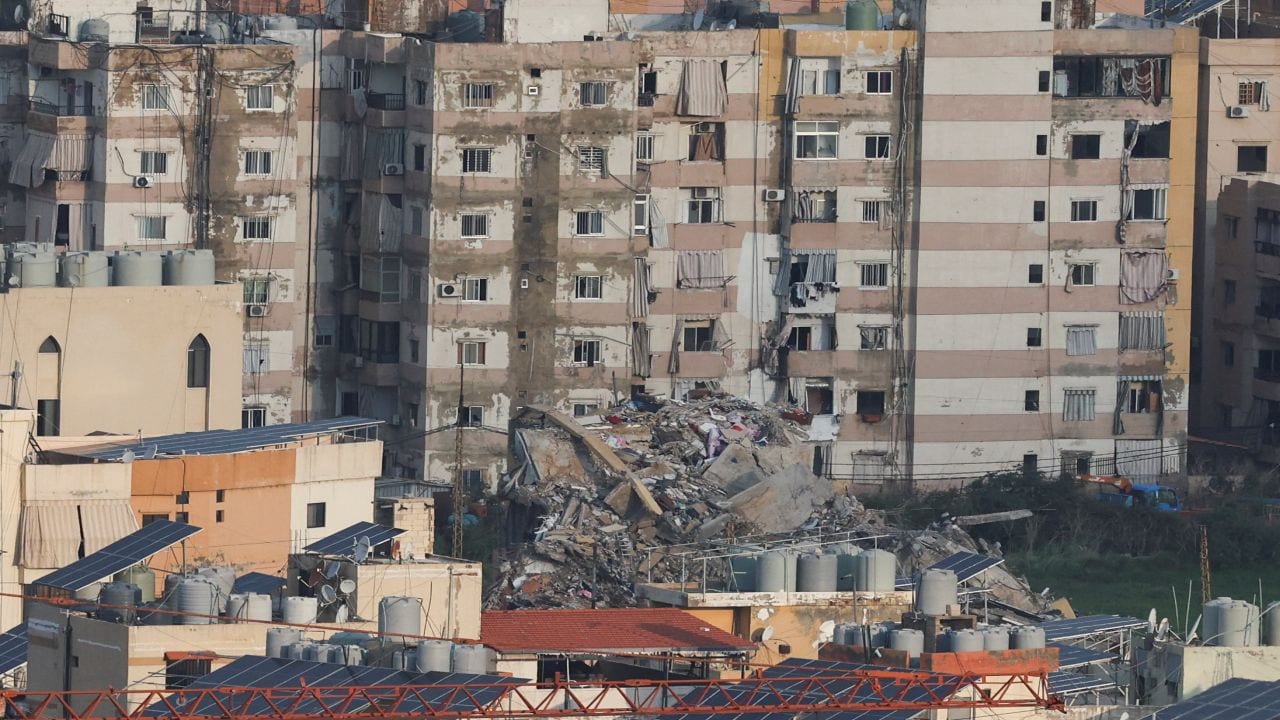
A senior American official confirmed that the truce took effect at 4 p.m. local time on Friday. This deal, quieted down through intense mediation by Qatar, the United States, and Iran, is a desperate attempt to patch up a wider regional peace plan that was literally blowing up hours earlier. Just before the ink could dry, southern Lebanon erupted in a wave of lethal violence that proved how fragile this arrangement actually is. Four Israeli soldiers were killed, and Israeli retaliatory airstrikes slaughtered at least 47 people across southern Lebanon and the Bekaa valley.
The Israel Hezbollah ceasefire wasn't born out of sudden goodwill. It's a high-stakes bandage slapped onto a broader, extremely volatile geopolitical chess game involving Washington and Tehran. The real story isn't just about the guns falling silent along the northern border. It's about what went down behind closed doors in Switzerland and why this deal could shatter before the weekend ends.
The Hidden Engine Driving the Israel Hezbollah Ceasefire
To understand why this truce happened right now, you have to look beyond Lebanon. This entire deal is inextricably linked to a broader memorandum of understanding between the Trump administration and Iran. That wider agreement opened a 60-day window to negotiate a permanent settlement over Iran's nuclear program and get crucial oil traffic moving normally again through the Strait of Hormuz.
Lebanon is the proxy battlefield where that grand bargain is being tested. Donald Trump has been putting massive pressure on all sides for a complete cessation of hostilities on all fronts. He wants a win. He wants the war over. But the fighting in Lebanon almost broke the machine.
A major diplomatic meeting between US and Iranian officials in the Swiss village of Obbürgen was completely derailed by the morning's bloodshed. Vice President J.D. Vance was slated to feature in these critical discussions, but the talks were abruptly cancelled as the bodies piled up in southern Lebanon. Hezbollah lawmakers quickly made it clear that Iran wouldn't move forward with broader negotiations without a halt to the bleeding in Lebanon. Basically, Hezbollah forced the hand of the mediators.
Why the Rules of Engagement Haven't Actually Changed
The terms of this truce look fine on paper, but the actual military leadership on both sides isn't acting like the war is over. Look at what's happening right now along the border.
Israeli military spokesperson Brigadier General Effie Defrin made it explicitly clear that Israeli troops retain full operational freedom. They aren't packing up. Israeli forces are staying right where they are in southern Lebanon, occupying strategic zones along the northern border. Specifically, troops are continuing operations around the Beaufort Castle area and the Ali Taher ridge.
Israel claims it's actively destroying massive Hezbollah tunnel networks that serve as the group's central command infrastructure. From the Israeli perspective, clearing these tunnels isn't a violation of the Israel Hezbollah ceasefire—it's a defensive necessity. They argue that they have unrestricted authority to eliminate threats wherever they see them.
- Israeli troops remain stationed inside Lebanese territory.
- The destruction of underground border infrastructure continues despite the pause in active exchanges.
- Air surveillance and defensive readiness remain at peak levels.
Hezbollah isn't backing down either. Their leadership views the ongoing Israeli presence as a direct occupation and an ongoing provocation. While Iran's chief negotiator, Mohammad Bagher Ghalibaf, warned of a decisive response to any breach of the agreement, the fighters on the ground are notoriously difficult to control when foreign troops are sitting on their hills. It's a powder keg. One nervous soldier pulls a trigger, and the whole thing unravels.
The Massive Regional Stakes Behind the Friday Deadline
Why did Qatar, the US, and Iran work so feverishly to patch this up by Friday afternoon? Because the alternative is economic and geopolitical chaos that nobody wants to handle right now. The wider regional conflict has already killed thousands of people and sent global energy prices through the roof.
The real driver here is the global economy. The Strait of Hormuz is the world's most critical oil chokepoint. If the US-Iran memorandum of understanding collapses because of a border war in Lebanon, oil traffic chokes. Energy markets react instantly to that kind of fear. A sustained war means inflation spikes, shipping lanes freeze, and political fortunes in Washington tank.
That's why you see this weird alignment of interests. Donald Trump needs to show his voters that his aggressive style of diplomacy can deliver stability. Iran needs relief from crushing economic pressures and a pathway to safely move its oil. Qatar wants to cement its status as the indispensable Middle East peace broker. Everyone needed this Friday pause to save face after the Swiss talks fell through.
What Needs to Happen Next for This Truce to Last
If you're tracking whether this agreement will actually survive past the next 48 hours, stop looking at the official statements from politicians. Watch the military movements on the ground instead.
First, look at whether Israel scales back its tunnel-destruction operations around Beaufort Castle. If those operations trigger localized firefights, the ceasefire will dissolve in minutes. Second, watch for the rescheduling of the cancelled diplomatic talks in Switzerland. If US and Iranian officials don't get back to the table quickly, the pressure building up in Lebanon will boil over again. Finally, monitor whether displaced civilians on both sides of the border try to return home. Right now, security officials are warning people to stay put because the situation is simply too unstable.
The coming days will reveal if this Friday agreement is a genuine step toward a lasting regional settlement or just a temporary pause for both sides to rearm and reload. Keep your eyes on the border towns, not the diplomatic halls.