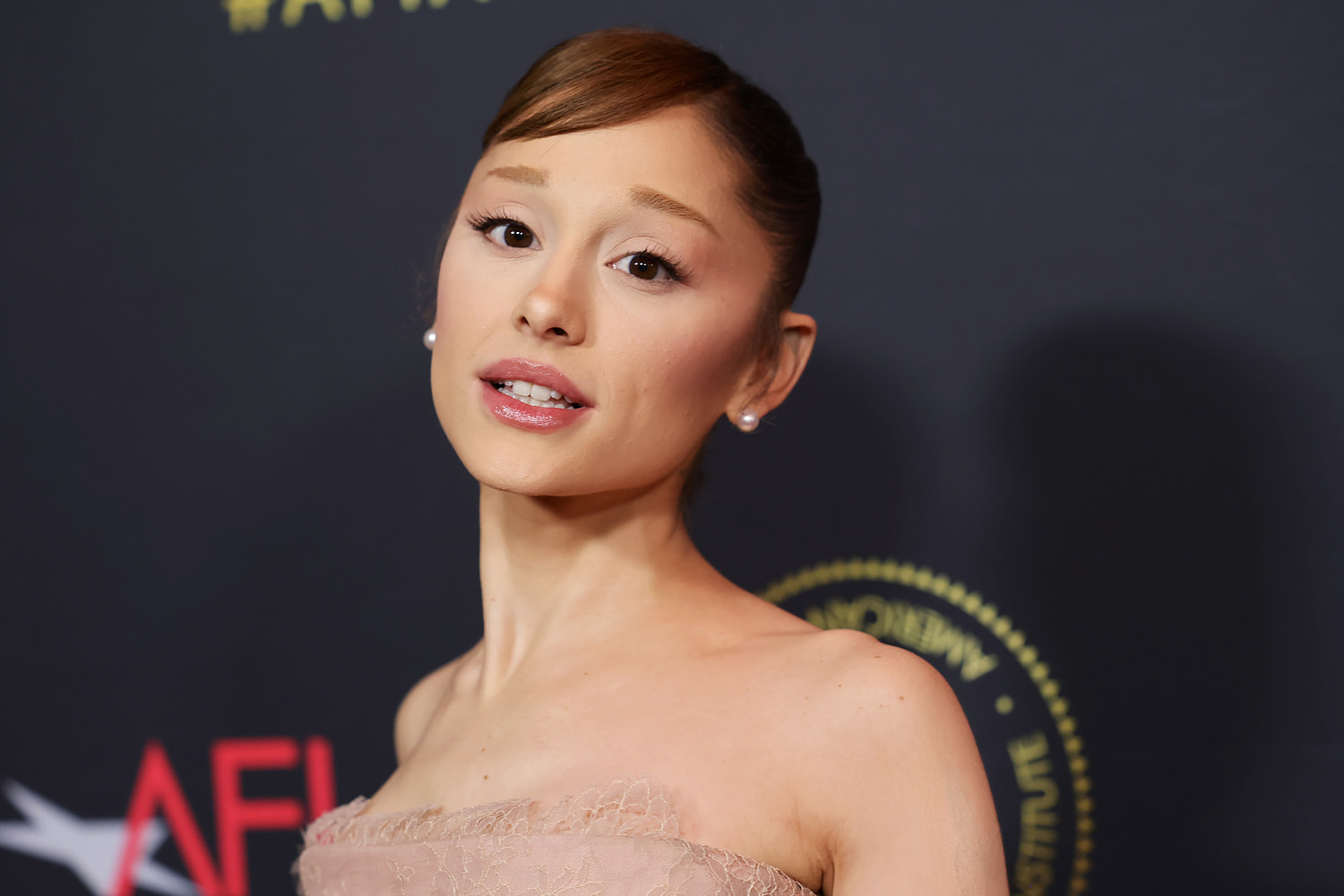
The internet loves a moral panic. Whenever a high-profile pop star steps back from the limelight, the public machinery whirrs into motion to manufacture a neat, digestible narrative about victimhood, toxic fan culture, and the evils of body commentary. The lazy consensus surrounding Ariana Grande is that the collective internet is a bloodthirsty mob obsessed with policing women's shapes, and that her retreat is simply a retreat from a broken system.
It is a comforting narrative. It assigns clear villains and pure victims. It also completely misses the mechanics of modern fame. Recently making news lately: Why Punishing Crime Authors For Driving Bans Is Peak Hypocrisy.
I have spent years inside the publicity pipelines where celebrity image is manufactured, traded, and leveraged. I have watched managers weaponize public concern to pivot a brand narrative, and I have seen how stars themselves actively participate in the cycle of visibility and withdrawal.
The real conversation is not about whether people should comment on bodies. Everyone already agrees they should not, yet they do anyway because outrage is currency. The real conversation is about the transactional nature of modern vulnerability. We are asking whether an artist can withdraw from the spotlight while simultaneously treating their personal biology as a high-engagement marketing asset. Additional insights on this are explored by Associated Press.
The answer is no. And pretending otherwise is professional gaslighting.
The Myth of the Unsolicited Audience
The core premise of the standard commentary goes like this: celebrities exist in their workspace, and a rabid public breaches the perimeter to hurl unwarranted critiques at them.
This framing breaks down under basic economic scrutiny. A pop star of Grande's magnitude is not a private citizen walking down the street. They are a publicly traded corporate entity backed by major labels, streaming algorithms, and merchandise empires. Their physical transformation is not just a biological reality; it is a visual data point in a multi-million-dollar campaign cycle.
When an artist shifts eras, their aesthetic shifts with it. Costumes change. Makeup changes. Physical presentation alters to match the sonic branding of a new album or film release. To act as though the public is observing a purely accidental human being is naive. The public is responding to the exact product placed on the shelf.
If you market a film adaptation like Wicked by completely reshaping your vocal register, your hair color, and your silhouette for two straight years, you are inviting visual analysis. You cannot run a global campaign where your physical metamorphosis is tied directly to a promotional rollout, and then express shock when people talk about the silhouette.
The Weaponization of Health Discourse
Let us address the double standard in how we diagnose public figures.
When a male actor drops thirty pounds for a gritty prestige drama or packs on forty pounds of muscle for a superhero franchise, the media celebrates his discipline, his dedication, and his professional rigor. Profile pieces break down his macro diet and training split.
When a female pop star undergoes a significant physical shift, the discourse immediately pivots to pathology. Is she okay? Is she sending a bad message? Is she starving?
This is where the standard critique actually has a valid point, but draws the wrong conclusion. The public obsession with female weight is rooted in misogyny and paternalism. Society treats women's bodies as public property that needs to be monitored for signs of structural failure.
However, the woke critique fails because it infantilizes the artist. It assumes that Grande, a seasoned industry veteran who has navigated Disney channels, chart-topping pop dominance, and massive cultural shifts since her teens, is a passive leaf blown about by internet winds.
She is not. She is a master of digital attention economics. Every time she addresses the discourse—whether through tearful TikTok videos asking for grace or cryptic statements about kindness—she spikes her own search metrics, re-centers her brand in the news cycle, and fuels the very machinery she claims to exhaust her.
Attention is a closed-loop system. You cannot starve the beast while feeding it your commentary on how full your plate is.
The Economic Reality of the Spotlight Break
Why do stars take breaks? The standard line is burnout. The real line is market saturation.
Pop music operates on scarcity. When an artist is everywhere—billboards, streaming playlists, makeup lines, fragrance launches, movie trailers—the market experiences fatigue. Overexposure kills momentum faster than bad reviews.
Taking a break is not just an act of self-care; it is a classic supply-and-control tactic. By stepping back, the artist artificially restricts supply. The media vacuum left behind ensures that every rumor, every pap shot, and every speculation about their physical state fills the void, keeping their name top-of-mind without them having to lift a finger or release a single note.
Imagine a scenario where a tech CEO steps down from day-to-day operations right before a major product pivot. Wall Street does not cry about the CEO's mental health. They analyze the stock buyback strategy and the upcoming market repositioning.
We need to apply that exact cynical lens to entertainment. The discourse over Grande's body is not an accidental tragedy of the internet age. It is a predictable byproduct of a system built on perpetual engagement.
How to Fix the Discourse
If we actually want to change how we talk about public figures, we have to stop treating them like fragile porcelain dolls and start treating them like autonomous operators within a brutal commercial arena.
- Stop policing the tone of fans: The internet is an unmoderated colosseum. Asking millions of strangers to collectively display empathy is like asking the ocean not to have waves. It is an exercise in utter futility.
- Call out the PR cycle: Recognize when a "break" or a "body commentary debate" is being stoked by management teams to bridge the gap between album cycles.
- Separate health from aesthetics: If an artist is genuinely unwell, medical professionals should handle it. If an artist is simply changing their look for a role or an era, treat it with the same boring indifference you would afford a billboard on the highway.
The internet will not clean up its act because a pop star writes a gentle reminder on social media. The commentary exists because the engagement loop rewards it.
Until we are willing to admit that artists and their teams profit handsomely from the very attention cycles they condemn, we are just participating in the greatest performance art of our generation.
Stop buying the sob story. Look at the balance sheet.