The Lazy Narrative Everybody Buys
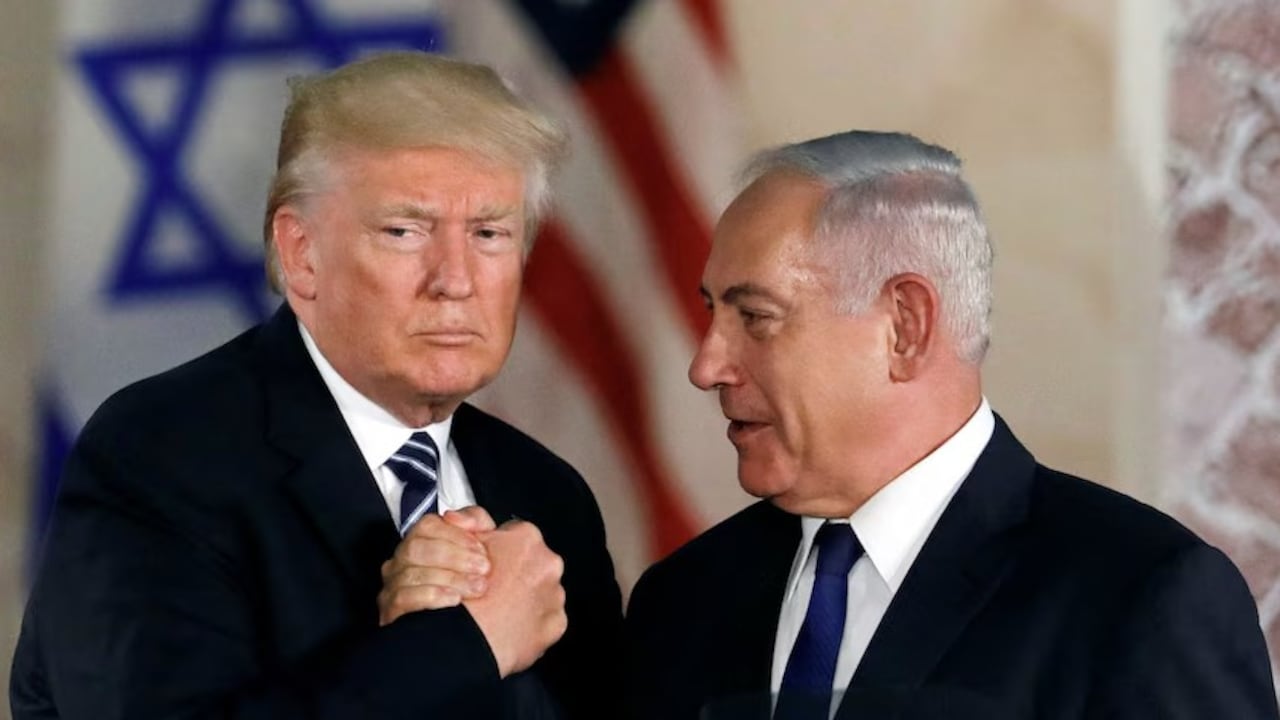
Open any mainstream defense blog and you will find the exact same cookie-cutter panic. The conventional script reads like a tired espionage thriller. Washington and Jerusalem share a quiet handshake, blocking Ankara from acquiring the F-35 Joint Strike Fighter because an adversary cannot be trusted with stealth technology. Add in Donald Trump reacting to past friction with Benjamin Netanyahu, throw in a dash of NATO anxiety, and columnists nod sagely. They treat defense procurement like a high school clique where emotional vetoes dictate billion-dollar hardware deals.
It is lazy. It is superficial. And it ignores how modern military industrial complexes actually function.
The mainstream argument assumes that withholding or granting an export license is a simple moral sorting mechanism. Good allies get the jets; bad actors get cut off. But defense procurement is never about moral rewards. It is about supply chain entanglement, software sovereignty, and industrial lock-in. When commentators obsess over whether Netanyahu successfully blocked Turkey or how Trump responded, they are staring at the marquee while the backstage mechanics dismantle the entire theater.
The Real Leverage Is Not The Jet
Let us define what an F-35 actually is. It is not an airplane with a gun. It is a flying data server powered by millions of lines of proprietary code, tethered permanently to the ODIN logistical system—the Operational Data Integrated Network.
When a nation buys an F-35, they are not buying a finished product off a showroom floor. They are signing a subscription to an ecosystem. The software updates, diagnostic telemetry, and mission data files flow through American-controlled architecture. If Ankara integrates Russian S-400 surface-to-air missile systems alongside Western stealth platforms, the risk is not merely that radar frequencies get compromised. The real danger is that a foreign military gains diagnostic proximity to the most sensitive diagnostic network on earth.
Israel understood this long before Washington admitted it out loud. Netanyahu did not lobby against Turkish procurement purely out of petty regional spite or standard diplomatic posturing. He leveraged absolute structural dependency. Israel maintains a qualitative military edge not because they have better pilots, but because they hold indigenous modification rights and software integration privileges granted by unique regional frameworks.
Turkey did not get booted from the program simply because of a political disagreement. They got ejected because their dual-sourcing strategy violated the cardinal rule of modern defense architecture: you cannot build a proprietary fortress while simultaneously inviting the competition to inspect the blueprints.
The Counter-Intuitive Truth About Sanctions
Here is the part nobody in the comment sections wants to admit. Kicking Turkey out of the F-35 manufacturing consortium was a massive logistical blunder for the Pentagon, even if it was a geopolitical necessity.
Look at the battle scars. I have watched defense bureaucrats pretend that alternate suppliers can be spun up overnight like software microservices. They cannot. Turkey was deeply embedded in the manufacturing of critical airframe components, display systems, and composite materials for the F-35. When Washington expelled Ankara, global supply chains absorbed massive friction. Component costs spiked. Delivery schedules slipped years behind baseline projections.
The conventional wisdom claims that punishing Turkey safeguarded American military secrets. The unvarnished reality is that it forced the Pentagon to scramble for alternative manufacturing hubs at an exorbitant financial cost to American taxpayers.
Netanyahu played his hand well, but Trump’s reactive rhetoric on the matter completely sidesteps the underlying economic gravity. Presidents tweet about deals, sales, and personal friction. Defense contractors care about intellectual property walls and long-term manufacturing moats.
Dismantling The People Also Puzzles
Let us address the questions floating around search engines, stripped of their diplomatic sugar-coating.
Why was Turkey removed from the F-35 program?
The mainstream answer blames the S-400 purchase. That is true, but incomplete. The S-400 radar system operates on frequencies designed to track and target high-performance aircraft. Having that system sitting next to maintenance facilities capable of downloading F-35 diagnostic signatures creates an intelligence leak that NATO cannot patch. It was an operational incompatibility, not just a political punishment.
Can Turkey rejoin the program if relations normalize?
Not without a complete restructuring of the software-sharing architecture. Once a nation breaks the trust threshold and integrates rival defense platforms, re-entry requires dismantling structural dependencies that took decades to build. It is not like updating an app. It requires complete architectural separation.
Did Netanyahu dictate US foreign policy on this sale?
Giving any single foreign leader unilateral veto power over American defense exports is a gross simplification. Netanyahu amplified an existing structural alarm within the Pentagon. Israel simply articulated the risk louder and earlier than anyone else.
The Downside Of Playing Hardball
My contrarian take has a sharp edge, and intellectual honesty demands acknowledging its vulnerabilities. By cutting Turkey out, Washington permanently alienated a critical NATO partner sitting at the geopolitical crossroads of Europe, the Middle East, and Asia. Ankara pivoted, explored alternative regional alliances, and accelerated indigenous defense projects like the KAAN fighter jet.
When you lock a regional power out of the premier Western security ecosystem, you do not neutralize them. You force them to build domestic self-sufficiency. In the long run, pushing Turkey away from American hardware might spawn a brand-new independent competitor in the global arms export market. That is the hidden price of maintaining absolute monopoly control over high-end defense tech.
Stop looking at weapon sales as diplomatic trophies or personal slights between heads of state. Follow the software, trace the supply chain, and watch who controls the maintenance logs. That is where the war is actually won.


