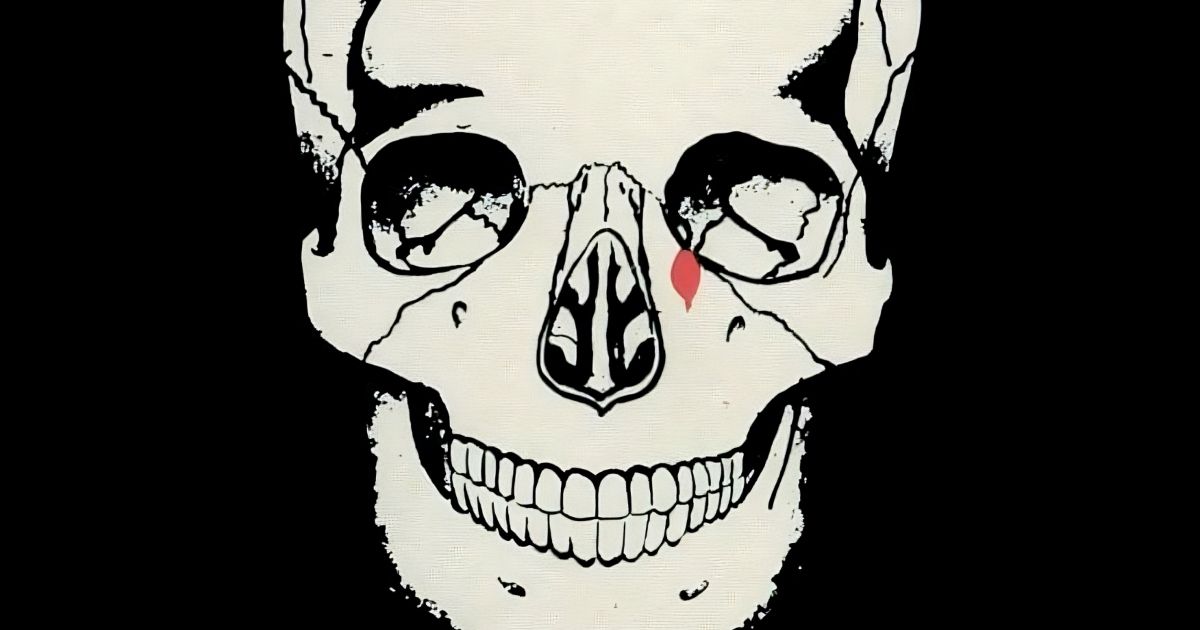
The original 1978 Faces of Death was a greasy, forbidden VHS tape that felt like a crime to own. It was a cultural scar. It traded on the primal, stomach-churning anxiety that what you were seeing might actually be real. It was the ultimate "snuff" hoax, a grimy artifact of the pre-internet era when information was scarce and the line between special effects and a coroner’s report was thin enough to bleed through.
Now comes the remake. The critics are calling it "clever." They are praising its "meta-commentary." They are saying it’s "good" because it tackles the horrors of the digital age.
They are wrong.
The remake is a failure not because it’s poorly shot—it’s actually too well shot—but because it misunderstands the fundamental mechanics of horror. By trying to make Faces of Death "about" something, the filmmakers have castrated the very thing that made the franchise a phenomenon. You don’t watch a car crash for the social commentary. You watch it because you can’t look away.
The Myth of the "Smart" Remake
The lazy consensus among modern film critics is that a remake must justify its existence by being "elevated." We’ve been conditioned to believe that if a horror movie doesn't function as a metaphor for trauma or the toxicity of social media, it’s "basement-tier" cinema.
This is an intellectual trap.
The 2024 Faces of Death attempts to deconstruct the act of watching. It follows a moderator for a YouTube-like platform who stumbles upon a series of violent videos. It wants to be Censor meets The Ring. But in doing so, it replaces the raw, unmediated dread of the original with a polished, moralizing narrative.
When you frame a "death" video within a story about a girl investigating that video, you create a safety buffer. You are no longer the witness; you are watching a witness. That layer of separation is a death knell for the Faces of Death brand. The original worked because it pretended to be a documentary. It looked like shit. It felt like a bootleg. It broke the fourth wall by pretending the wall didn't exist.
Why Technical Competence Kills the Genre
Modern cinematography is too clean for its own good. We are living in an era of "4K horror," where every drop of blood is perfectly lit and every scream is mixed in Dolby Atmos.
In the original film, the graininess was the point. The low resolution allowed your imagination to fill in the gaps. When Dr. Francis B. Gröss stood there in his ill-fitting suit, the amateurish production values suggested a lack of oversight. It felt like something that escaped a lab, not something that was greenlit by a studio.
The remake is "good" in the way a Marvel movie is "good." It has pacing. It has a character arc. It has a third-act climax. But Faces of Death should never have a character arc. It should be a blunt force trauma to the senses. By making the film "watchable," the creators have made it forgettable.
The Digital Content Moderator Fallacy
The "People Also Ask" sections on search engines are currently flooded with questions about whether the new film captures the "reality" of the internet. The premise of the question is flawed.
The internet has already killed Faces of Death. We live in a world where actual atrocities are livestreamed on X and TikTok. We don't need a fictionalized account of a content moderator losing her mind; we can see the real-world effects of that in every investigative report about Meta’s subcontracted labor in Kenya or the Philippines.
The remake tries to compete with the internet by being "meta," but the internet is already more meta than any screenwriter could dream of. A fake video of a fake death in a movie about a fake website is three degrees of separation away from anything that matters.
The original film succeeded because it occupied the "Grey Zone"—the space where you weren't sure if what you were seeing was a special effect or a genuine tragedy. In 2026, there is no Grey Zone. We have deepfakes, and we have high-res bodycam footage. The "mystery" is dead. Instead of leaning into that nihilism, the remake tries to give us a "lesson."
The Death of the Taboo
I’ve spent two decades watching the horror industry sanitize itself while claiming to be "edgy." I saw it with the Texas Chainsaw remakes, and I’m seeing it here.
True "transgressive" cinema doesn't care about your comfort or your growth as a person. It exists to offend. The 1978 film was banned in dozens of countries. It was a genuine pariah. It was a movie you had to hide from your parents.
The remake is available on a major streaming platform. It has a marketing budget. It has a press junket. How can a film called Faces of Death be "safe"? If a movie isn't at risk of being pulled from the shelves, it isn't Faces of Death. It’s just another piece of "content" to be consumed and discarded.
How to Actually Remake a Legend
If you wanted to disrupt this space, you wouldn't make a movie about a content moderator. You would lean into the medium of the era, not the story.
Imagine a scenario where the remake isn't a film at all, but a series of unlisted, contextless videos dropped onto the dark web and Reddit, designed to look like leaked police evidence. No credits. No "Directed by." No PR campaign.
That would be terrifying. That would honor the legacy of the original.
Instead, we got a movie that explains its own jokes. It tells you exactly how to feel about the violence it portrays. It holds your hand through the "scary" parts. It is a roller coaster with extra seatbelts and a safety briefing.
The Problem with "Clever" Horror
We have reached a point where horror is being written for the people who write think-pieces about horror, rather than the people who actually watch it.
The competitor article argues that the remake is "important" because it reflects our desensitization. But here is the counter-intuitive truth: we aren't desensitized. We are hyper-sensitized. We are more obsessed with the "morality" of viewing than ever before.
The original Faces of Death didn't care about your soul. It didn't care about the "impact of violence on society." It was a carny show. It was a freak show. It was honest about its own depravity.
The remake is dishonest. It wants to show you the gore while simultaneously wagging its finger at you for wanting to see it. It wants to be both the pusher and the priest. You can’t have it both ways.
The Final Verdict on the Simulation
The filmmakers used the name Faces of Death for brand recognition, but they were too afraid to use the formula of Faces of Death. They took a title that represents the absolute edge of cinematic acceptability and used it to package a standard, mid-budget psychological thriller.
It’s not "good" because it’s smart. It’s "bad" because it’s cowardly.
It refuses to be the thing it claims to be. It mimics the aesthetic of death without ever actually touching the cold, hard reality of it. It’s a simulation of a simulation, scrubbed clean for a demographic that wants to feel dangerous without ever actually being in danger.
If you want to understand the horror of the modern world, don't watch this movie. Go look at your own search history. Go look at the footage from a drone strike on a news feed. That is the real Faces of Death. This remake is just a ghost in the machine, pretending it still has the power to make you blink.
It doesn’t.
Stop looking for meaning in the "meta." The original film understood something the modern industry has forgotten: death is not a metaphor. It’s just the end.
Don't buy the hype of the "elevated" remake. It’s just a shiny new coat of paint on a house that’s already been demolished.
Go find a grainy, third-generation VHS rip of the original if you want to feel something. Leave the "clever" remakes to the people who are afraid of the dark.


