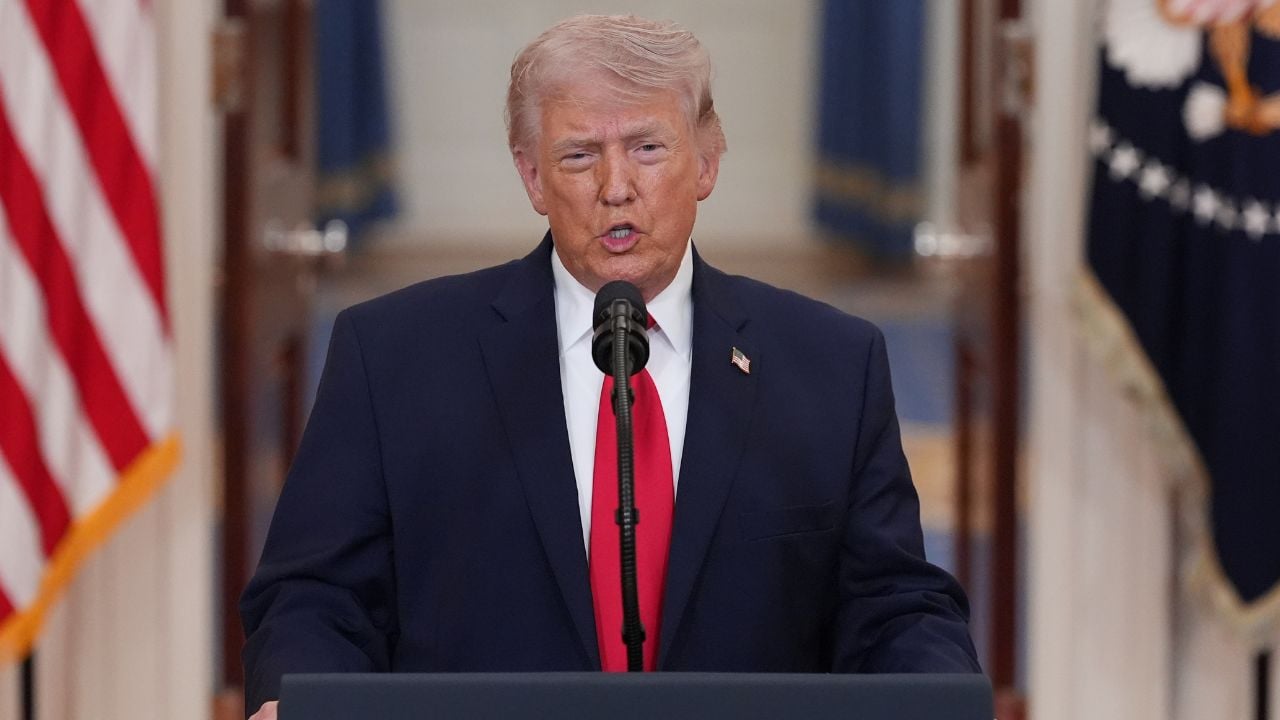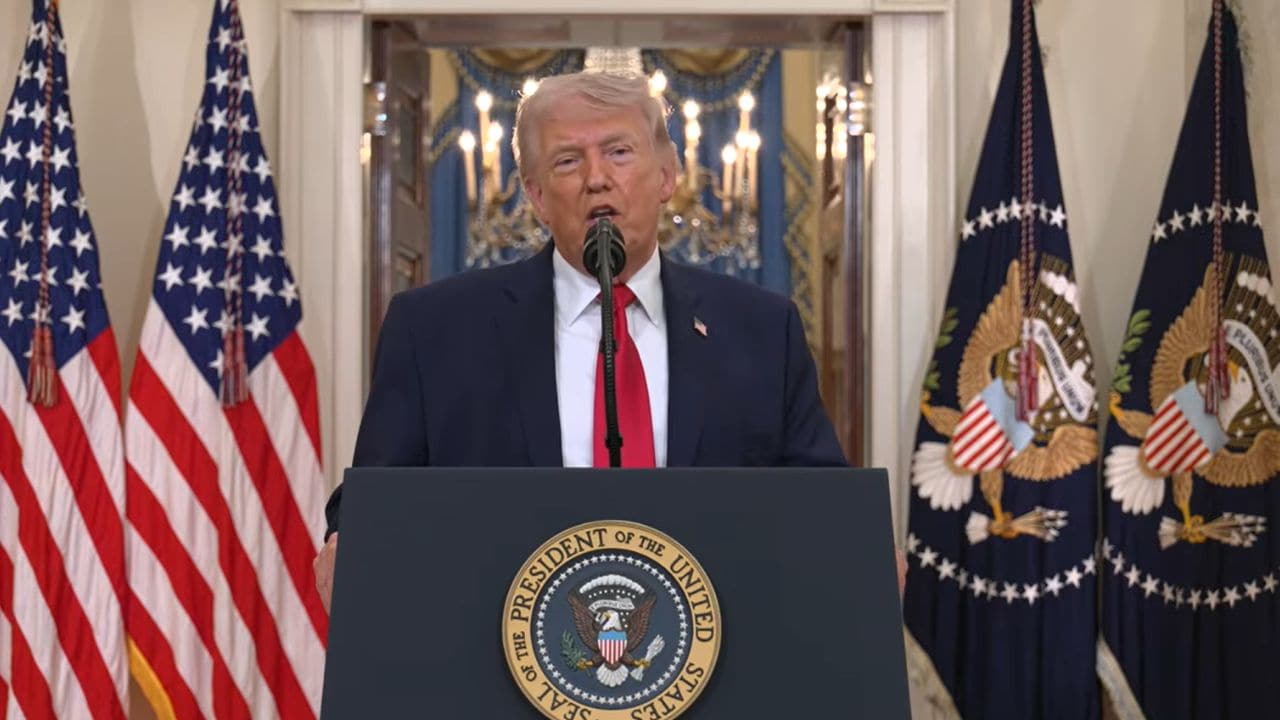
The idea of Britain losing the Falkland Islands usually pops up in the news cycle when someone in Washington gets grumpy. Right now, it's a leaked Pentagon memo causing the stir. This internal email suggests that the US might reassess its support for UK "imperial possessions" because the UK didn't jump into the recent conflict in Iran with enough enthusiasm. It's classic political arm-twisting. But if you’re wondering if the Union Jack is coming down in Port Stanley anytime soon, the answer is a firm no.
A leaked memo isn't a treaty. It's a temper tantrum. While the headlines look scary, the actual mechanics of sovereignty in the South Atlantic haven't shifted an inch. I’ve watched these diplomatic spats for years, and they follow a predictable pattern. Washington threatens to pull back support to force London into a corner on unrelated military goals. It’s messy, sure, but it doesn't change the reality on the ground.
The memo is about Iran not the Islands
You have to look at the context of this leak to understand why it’s actually happening. The US administration is frustrated. They spent 38 days bombing targets in Iran and felt the UK—and NATO in general—didn't provide enough backup. The Pentagon memo wasn't written by experts on South Atlantic history; it was written by strategists looking for a "pressure point" to squeeze the UK government.
By labeling the Falklands an "imperial possession," the memo uses language designed to sting. It’s a direct hit at Sir Keir Starmer’s government, especially following the controversial decision to hand over the Chagos Islands to Mauritius earlier this year. The US knows that the British public is sensitive about territorial integrity right now. Threatening to stay neutral or side with Argentina is the diplomatic equivalent of a "pay up or else" note.
But here’s the thing about US support. Historically, the US has almost always maintained a "neutral" stance on the sovereignty of the islands, even if they provided intelligence and missiles during the 1982 war. They officially recognize the UK’s administration of the islands without formally taking a side on the legal claim. If they "withdraw support," they basically just stop being a quiet ally and start being a loud neutral party. It’s annoying for diplomats, but it doesn't dismantle the British military presence.
Argentina isn't ready for a rematch
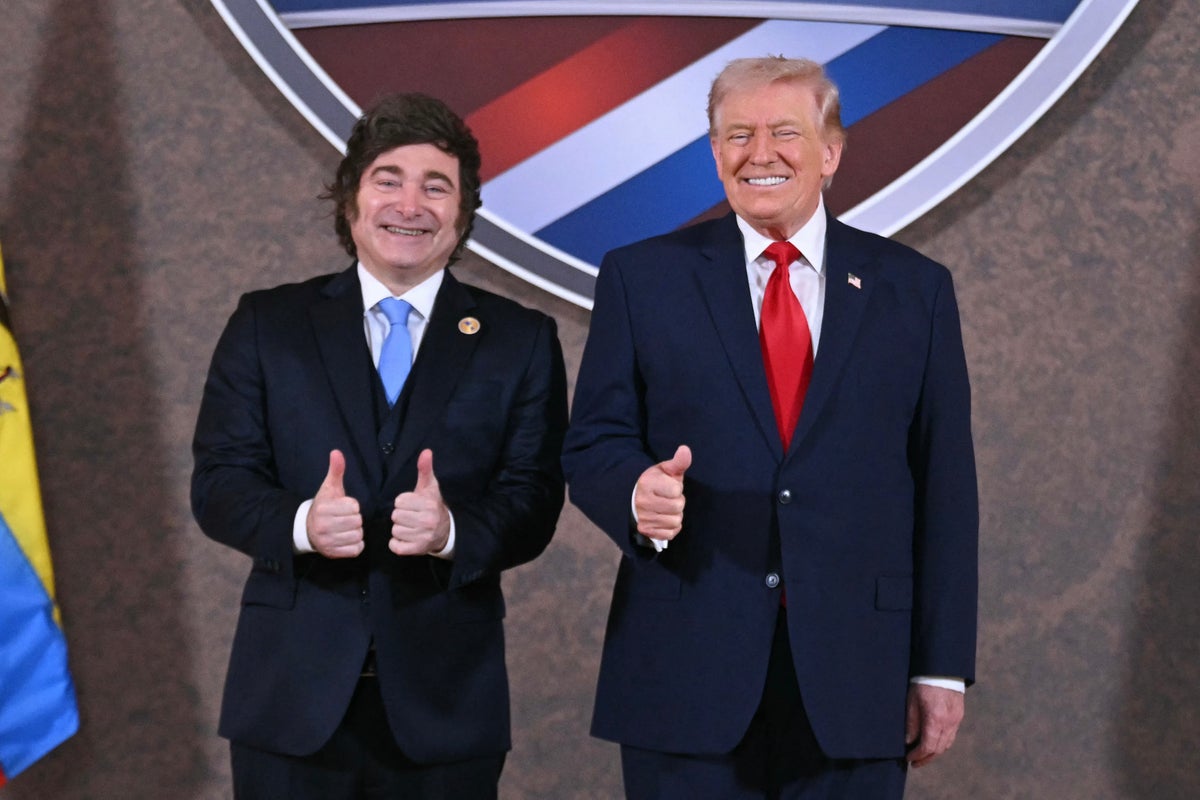
Whenever a story like this breaks, Buenos Aires naturally sits up and takes notice. Argentine Foreign Minister Pablo Quirno has already been on X (formerly Twitter) calling for fresh talks. President Javier Milei has been vocal about wanting the islands back, though he’s usually smarter about it than his predecessors, focusing on a long-term diplomatic "Hong Kong-style" solution rather than a military one.
The military reality is that Argentina simply cannot take the islands back by force. Their air force is a shadow of its former self, and their navy isn't in much better shape. Meanwhile, the UK maintains a permanent garrison at Mount Pleasant. This includes:
- A flight of Typhoon fighter jets.
- A rotating group of infantry.
- High-tech radar and air defense systems.
- A Royal Navy patrol vessel.
Experts like Admiral Lord West have been quick to point out that US diplomatic support doesn't make the islands any more or less secure. The UK’s ability to defend the Falklands is a sovereign capability. We don't need a green light from the White House to keep a destroyer in the South Atlantic or to fly sorties over the islands. The idea that a memo from a disgruntled Pentagon official suddenly opens the door for an invasion is pure fiction.
The Chagos shadow and the 99.8 percent factor
The real reason people are nervous isn't the US memo. It’s the Chagos Islands. Because the UK government agreed to transfer sovereignty of the British Indian Ocean Territory to Mauritius, many people think a precedent has been set. If we gave up Chagos, why not the Falklands?
There’s a massive legal and human difference. The Chagos Islands had their population forcibly removed in the 60s and 70s. The Falklands have a settled, multi-generational population that is fiercely British. In the 2013 referendum, 99.8% of Falklanders voted to remain a British Overseas Territory. Only three people voted "no."
Under international law, the principle of self-determination is what actually matters. The UN charter emphasizes the wishes of the inhabitants. As long as the people living there want to be British, the UK has a rock-solid legal obligation to protect them. You can't compare a populated territory with a clear democratic mandate to an uninhabited military outpost like Diego Garcia.
What happens if the US actually walks away
Let’s play out the worst-case scenario. Say the US decides to officially back Argentina’s claim or pushes for a UN resolution that the UK doesn't like.
It would be a massive blow to the "Special Relationship." It would signal that the US no longer values its closest European ally's security concerns. But would it lead to the UK losing the islands? No. The UK holds a permanent seat on the UN Security Council and has a veto. Any resolution trying to force a handover would be dead on arrival.
Economically, the islands are doing fine on their own. They’re basically self-sufficient, except for the cost of defense. The Falkland Islands Government even contributes to the cost of the garrison. Total trade between the UK and the islands was around £192 million last year. While that’s a tiny fraction of the UK’s overall trade, it’s a stable, functioning economy based on fishing and tourism.
The US memo is a symptom of a broader breakdown in NATO relations, not a specific plan to hand over territory to Argentina. It’s a warning shot fired across the bow of Downing Street.
If you’re worried about the islands, don't watch the Pentagon. Watch the UK’s defense budget. As long as Mount Pleasant is staffed and the Typhoons are in the air, the islands are safe. The real threat isn't a shift in American diplomacy; it's the potential for the UK to neglect its own military capabilities. For now, the garrison is strong enough to deter any realistic threat from the mainland.
Don't let the headlines fool you. Sovereignty isn't something that gets traded away in a leaked email between frustrated staffers. It’s held by the people on the ground and the military force that backs them up.
Check the latest Ministry of Defence updates on the South Atlantic garrison if you want the real story. The hardware tells a much more honest tale than the diplomats do.