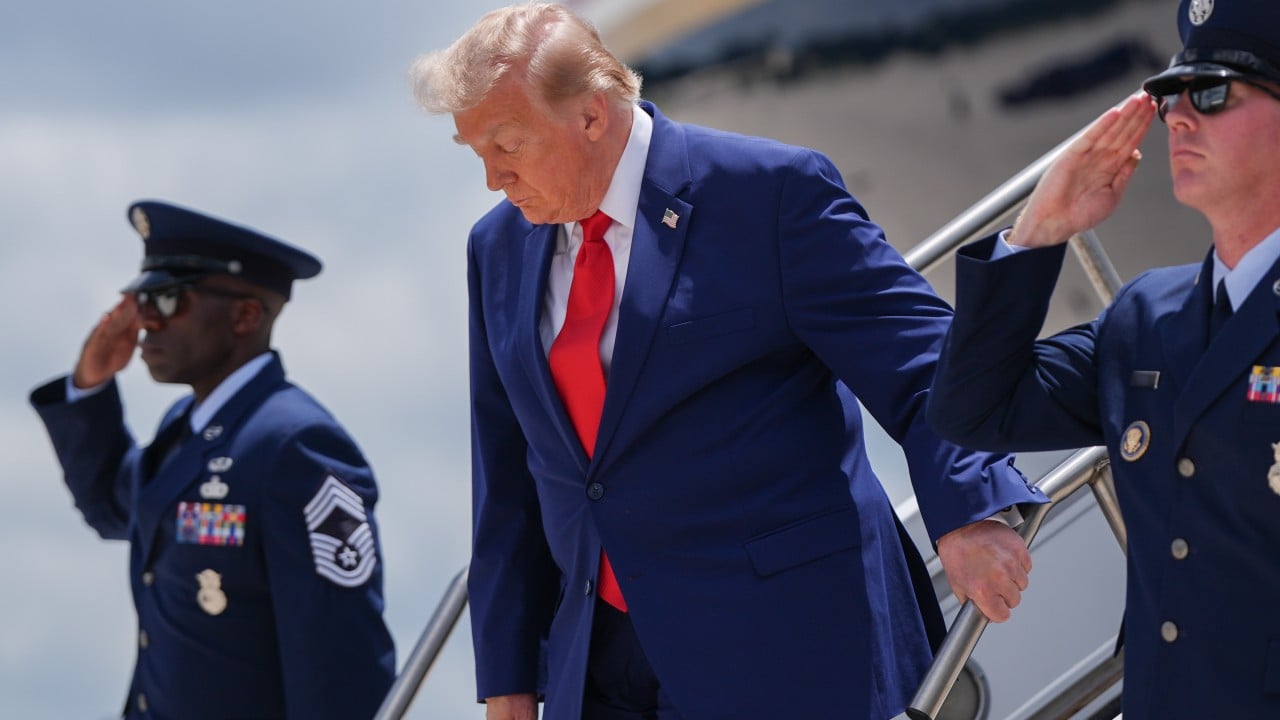
Federal prosecutors just got a harsh reality check in court. On July 23, 2026, the Justice Department abruptly withdrew grand jury subpoenas targeting four New York Times journalists. These demands sought testimony and phone records following articles detailing security vulnerabilities on the presidential aircraft.
If you've been following press freedom cases, you know the government rarely backs down this fast. So why did prosecutors throw in the towel after a single hearing?
It wasn't a sudden burst of goodwill. Prosecutors were forced into a corner by a furious federal judge, glaring procedural blunders, and clear violations of federal guidelines.
What triggered the Air Force One leak investigation
The entire legal brawl traces back to reporting published earlier in July 2026. Reporters Julian E. Barnes, Eric Lipton, Tyler Pager, and Eric Schmitt broke a story explaining why President Trump left a NATO summit in Turkey using an older presidential aircraft instead of a newly converted, Qatari-gifted Boeing 747-8.
According to the reporting, the gifted jet lacked key antimissile countermeasures and defensive equipment necessary for flying near regional conflict zones.
The fallout was instant. Manhattan U.S. Attorney Jay Clayton issued sweeping subpoenas on July 10. Justice Department officials argued the leak revealed sensitive national defense details while the president was traveling abroad during high-stakes military hostilities. They insisted their goal was identifying government leakers, not targeting press freedom.
The Times fired back immediately, asking the court to quash the subpoenas. They labeled the action an attempt to intimidate reporters and force them to burn confidential sources.
How federal prosecutors derailed their own case in court
When U.S. District Judge Arun Subramanian opened the hearing in Manhattan, things went downhill for the government fast.
Under long-standing Justice Department regulations, subpoenas served on news media are supposed to be an absolute last resort. Law enforcement must exhaust all alternative investigative avenues before demanding records from journalists.
Judge Subramanian grilled federal attorneys for nearly ninety minutes on why they skipped basic investigative steps. "Subpoenas are the last step, not the first step," the judge noted, pointing out that prosecutors had turned the rules completely upside down.
The government's procedural missteps didn't end there:
- Invasive third-party demands: Prosecutors requested phone and text records for four reporters, along with data linked to two spouses and one reporter's mother.
- Overbroad timeframes: The government demanded records dating back to January 1, 2026—months before the specific July articles were even written.
- Lack of advance notice: Prosecutors failed to provide required advance notice before attempting to seize third-party communication logs.
During the hearing, prosecutor Sean Buckley admitted that subpoenaing records belonging to family members was an "error" caused by automated database searches.
The tipping point came when Judge Subramanian pulled the prosecutor who signed the court applications out of the gallery and questioned him directly under threat of sanctions. Facing potential contempt rulings or an outright court order throwing out the demands, prosecutors asked for a brief recess and then announced they were unilaterally dropping the subpoenas.
What this means for reporter source protections in 2026
The government's retreat is a major victory for investigative reporting, but the underlying issue isn't going away.
Justice Department officials made it crystal clear in post-hearing statements that their criminal leak probe remains open. They signaled they may re-issue subpoenas later if they complete standard investigative steps first.
This case highlights why journalists and whistleblowers must operate with extreme caution:
- Subpoenas can be re-issued: Dropping a subpoena on procedural grounds doesn't grant reporters immunity from future demands if prosecutors fix their paperwork.
- Metadata remains vulnerable: Third-party phone and internet service providers are often targeted long before a journalist ever receives formal notice.
- Internal policies rely on judicial oversight: Justice Department guidelines protecting the press are only effective when federal judges actively enforce them in court.
For newsrooms handling sensitive national security stories, the immediate takeaway is clear. Always use end-to-end encrypted dropboxes, avoid commercial phone networks for sensitive source communications, and prepare for legal challenges the moment a high-profile leak investigation begins.