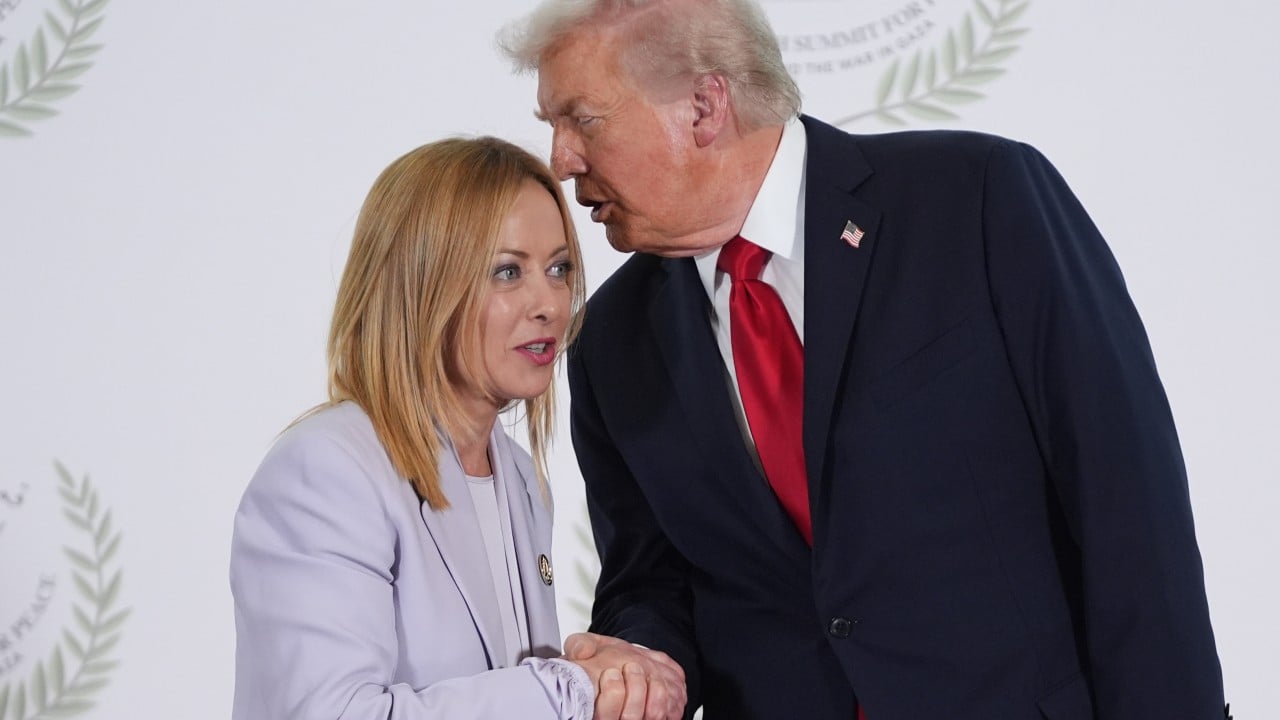
The recent chatter regarding a Trump-appointed envoy pushing to swap Iran for Italy in the World Cup isn't just a diplomatic reach; it’s a fundamental misunderstanding of how global sports ecosystems actually function. The "lazy consensus" suggests this is a moral play—a way to punish a bad actor and reward a traditional powerhouse.
It isn't. It’s a desperate attempt to fix a broken commercial narrative using political duct tape.
The premise is simple: Iran is politically volatile, and Italy is a television ratings goldmine that accidentally tripped over its own feet during qualification. But suggesting that a diplomatic nudge can—or should—rewrite the bracket ignores the structural integrity of international athletics. If you start swapping nations based on geopolitical flavor-of-the-month clubs, you don’t have a tournament. You have an invitation-only gala.
The Myth of the "Deserving" Powerhouse
Italy didn't "miss" the World Cup. They lost it. Twice.
I have watched federations burn through hundreds of millions of euros trying to buy their way out of mediocrity. The Italian FIGC (Federazione Italiana Giuoco Calcio) presided over a collapse that wasn't a fluke; it was a systemic failure of talent integration and tactical stagnation. To suggest they should be "inserted" back into the draw because of their brand equity is an insult to the meritocracy that makes the World Cup the most-watched event on earth.
When pundits argue that a World Cup "needs" Italy for the sake of the "beautiful game," what they really mean is that broadcasters need the ad revenue from the 60 million people living in the loofah-shaped peninsula.
- Fact: Meritocracy is the only currency FIFA has left.
- Reality: Once you trade results for "relevance," the product is dead.
Replacing Iran Is Not A Strategic Masterstroke
The argument for ousting Iran usually centers on human rights or regional stability. These are valid humanitarian concerns, but as a mechanism for tournament management, they are selectively applied and strategically hollow.
If we remove nations based on civil unrest or government overreach, the 32-team bracket would shrink to a 5-a-side tournament held in a neutral park in Switzerland. The "envoy logic" suggests that sports should be a reward for good behavior. In reality, international sports serve as the only remaining friction-point where these regimes are forced to play by a universal set of rules.
Removing Iran doesn't "fix" the Middle East. It removes a rare window of cultural accountability. More importantly, it sets a precedent that the United States—or any world power—can treat the FIFA draw like a menu at a private club.
The Economic Delusion of a Forced Swap
Let’s look at the numbers. People assume replacing a "smaller" market like Iran with a "giant" like Italy is an automatic win for the bottom line.
It’s not.
Modern sports broadcasting thrives on the narrative of the underdog. The "Cinderella story" isn't just a cliché; it’s a specific engagement metric. When Morocco made their run in 2022, the engagement spikes in emerging markets outweighed the lost revenue from traditional European giants who exited early.
By forcing Italy into a spot they didn't earn, you kill the stakes. If the big boys get a safety net, the tension that drives 5 billion people to tune in evaporates. You aren't "saving" the World Cup; you’re turning it into the Super League—a closed circuit where the rich are protected from the consequences of their own failure.
The Problem With Participation via Proxy
Imagine a scenario where this actually happens. Italy is placed in Group B. Every match they play is tainted. Every goal scored is met with an asterisk.
- The Locker Room Factor: Do you think elite athletes want a "pity" spot? High-performance cultures are built on the "us against the world" mentality. Taking a seat vacated by political maneuvering destroys the psychological edge of the squad.
- The Legal Quagmire: FIFA’s own statutes (specifically Articles 13 and 17) regarding government interference are draconian. If a government successfully dictates who plays, FIFA technically has to suspend that member. By trying to force Italy in, you actually risk getting Italy—and potentially the host nation—kicked out.
Stop Treating Sports Like a Diplomatic Lever
The envoy’s reported move is a classic example of "Doing Something" Syndrome. It’s a low-cost way to grab headlines without actually solving a diplomatic crisis.
If the goal is to pressure Iran, there are sanctions, diplomatic freezes, and trade barriers. Using a soccer ball as a weapon of statecraft is amateur hour. It ignores the fact that the Iranian team itself has often been a focal point for internal protest. By banning the team, you silence the players who have used their platform to stand against their own government.
We saw this in 2022 when the Iranian players refused to sing their national anthem. That moment did more to highlight the struggle for freedom in Tehran than any State Department memo ever could. Replacing them with a bunch of Italian superstars who are only there because they got a "wildcard" entry is a net loss for global awareness.
The Brutal Truth About FIFA’s Power Dynamics
FIFA is an organization that thrives on its own sovereignty. They view themselves as a state above states. When a political figure—regardless of the administration—tries to dictate the tournament layout, FIFA’s instinct isn't to comply; it's to dig in.
I’ve seen this play out in smaller confederations. A local strongman tries to fire a coach or install a crony, and FIFA shuts the whole country down. The arrogance of thinking the U.S. can simply "swap" teams shows a massive blind spot regarding the power of the Zurich-based entity.
Gianni Infantino doesn't take orders from envoys. He takes orders from the money, and the money says that a predictable, merit-based tournament is worth more in the long run than a one-time ratings bump from a gifted Italian appearance.
The Actionable Reality
If Italy wants to be in the World Cup, they should try scoring more goals against North Macedonia.
If the international community wants to punish Iran, they should use the tools of international law, not the rules of a game played with a round ball.
The obsession with "fixing" the draw to suit Western television preferences is a relic of 20th-century thinking. We live in a decentralized sporting world where the "traditional powers" no longer hold a monopoly on talent or interest.
The World Cup is the last place on earth where your GDP, your nuclear arsenal, or your "historic prestige" doesn't give you a head start. You start at 0-0. You play 90 minutes. You win or you go home.
Italy went home. Let them stay there.


