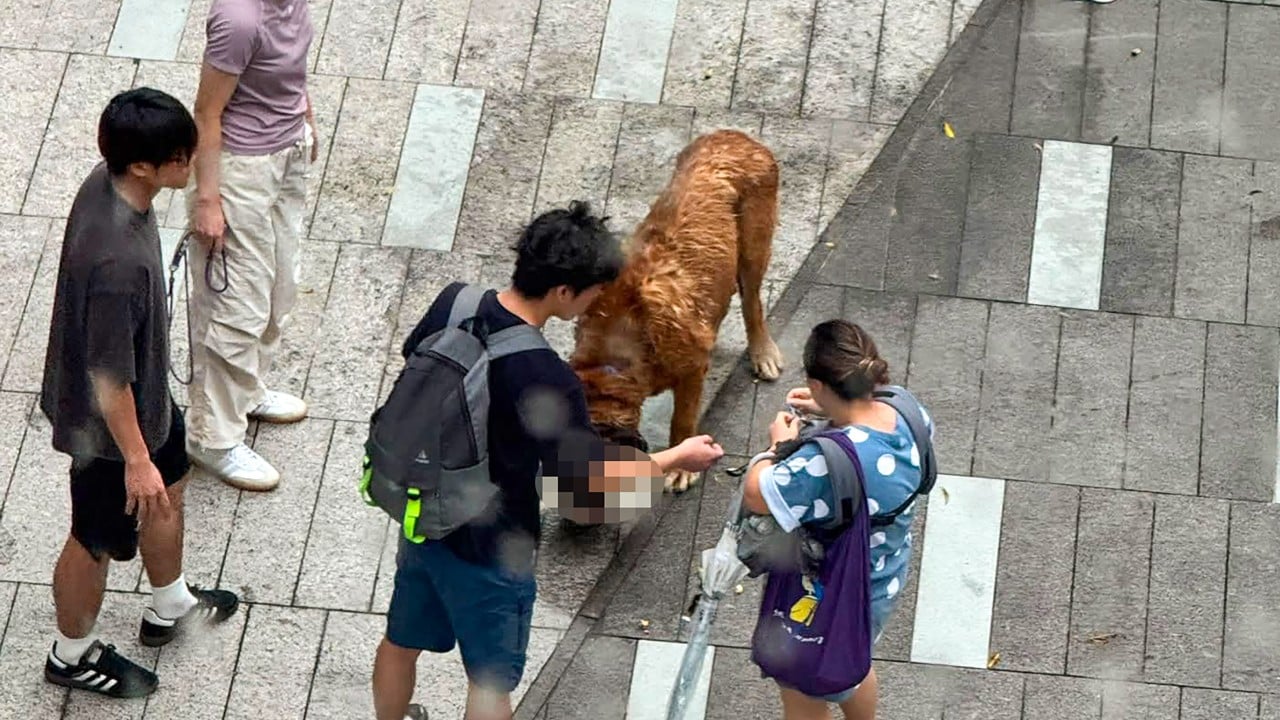
The pen felt too heavy for the paper. Ink stained the valleys of a thumb that had spent a decade scratching behind furry ears, throwing worn tennis balls across manicured grass, and holding tight against the chest during midnight thunderstorms.
Then came the sharp edge of the surrender form.
In the quiet, antiseptic hum of the intake office, the shelter founder watched the hands shake. They always shook. People imagined monsters walking through those metal doors, carrying leashes attached to snarling beasts with red eyes and bared teeth. Reality is far more mundane and infinitely more agonizing. The owner standing on the other side of the counter was ordinary. Tired eyes. Worn-out jacket. A heart fracturing into jagged pieces with every ticking second of the clock overhead.
The signature dried. The leash passed from a familiar, trembling grip to a stranger's heavy-duty nylon loop. And just like that, the dog behind the headlines became a ghost in a chain-link cage, while the human walked back out into a world that suddenly felt entirely too quiet.
Regret is a slow poison.
The Anatomy of a Breaking Point
We talk about dangerous dogs in sweeping, clinical declarations. We demand accountability, policy changes, and immediate action when tragedy strikes the front porch. Statistics arrive in cold percentages—hospitalizations, bite metrics, behavioral red flags. But numbers fail to capture the suffocating weight of the room where a decision is forced.
Imagine living with a creature you love that has suddenly crossed an invisible line.
For months, maybe years, the warning signs arrived in whispers. A stiffening of the spine over a food bowl. A low, vibrating growl when a toddler ran too fast across the living room rug. Owners make excuses because love demands excuses. They buy baby gates. They close doors. They rearrange their lives to accommodate a growing unpredictability, convincing themselves that training, patience, and affection will rewrite the code.
(Note: In this scenario, we observe the common psychological trap of minimization, where caretakers normalize escalating risks out of emotional attachment.)
Then, the threshold breaks. A bite happens. A neighbor is hurt. The emergency room lights buzz overhead, and the illusion shatters. The owner is no longer just a pet parent; they are a liability manager standing on the edge of a cliff.
When surrender happens under these clouds, it is rarely born of malice. It is born of absolute terror and exhaustion.
The Shelter Behind the Headlines
Shelter directors see the aftermath of these private domestic wars every single day. They are the ones who must look past the sensationalized media angles to face the living, breathing consequence.
When the story broke about the fatal pet attacks tied to this specific animal, the digital mob gathered instantly. Comments sections filled with righteous fury, demanding vengeance, pointing fingers, and constructing simple narratives out of complex chaos. They wanted a villain with a black heart.
Instead, the shelter founder found a grieving human being weeping in a quiet corner of the parking lot long after the paperwork was filed.
"People think giving up a dangerous dog is an easy out," the founder explains, reflecting on years of walking this razor's edge. "They think the owner just washes their hands of the problem and walks away whistling. They don't see the months of insomnia. They don't see the chewed-up sleeves of jackets where the owner tried to intervene. They don't see the profound, crushing guilt of knowing that the animal they raised from a puppy is now a public danger."
The shelter environment itself is a crucible. Concrete floors amplify every whimper. The air smells of industrial disinfectant and high-stress adrenaline. For a dog with a history of aggression, this is not rehabilitation; it is sensory overload on a catastrophic scale.
Yet, the law requires due process. Animal control protocols demand holding periods. Evaluators must step into runs with clipboards, testing bite inhibition, assessing trigger thresholds, and trying to separate the sweet, couch-cuddling companion from the animal capable of lethal force.
It is a terrible burden to place on human shoulders.
The Weight of the Unspoken Choice
Consider what happens next in the quiet hours of the night.
The owner goes home to a house that feels haunted. The food bowl is still in the kitchen corner, washed and empty. The indent on the living room sofa remains, slowly springing back into shape. Every sound outside the window triggers a phantom scratching at the door.
The regret is not just about the loss of companionship. It is a haunting cycle of "what ifs."
What if I had hired a different behaviorist?
What if we had moved to a quieter neighborhood?
What if I had seen the warning signs a year earlier before the boundaries dissolved completely?
Society offers little room for this specific brand of grief. When someone loses a pet to old age or illness, the world sends cards, casseroles, and sympathy. Friends gather to share photographs of golden sunsets and goofy puppy antics. But when a pet is surrendered for aggression or involvement in a fatal attack, the silence from the outside world is deafening.
There are no sympathy cards for a mandated surrender. There is only judgment.
Facing the Mirror
We must ask ourselves uncomfortable questions about how we treat the intersection of animal behavior and human responsibility.
When a dog turns dangerous, the failure is rarely isolated to a single moment. It is a slow accumulation of missed signals, genetic lottery tickets, environmental pressures, and cultural myths that tell us every dog can be saved if we just love them hard enough.
That myth is dangerous. It kills animals through chronic stress in shelter systems, and occasionally, it inflicts horrific harm on the humans who try to conquer nature with pure affection.
The owner who signed that surrender form understood that truth, but they learned it too late, paying the price in blood, trauma, and a lifetime of wondering if they could have done something—anything—differently.
The pen rests on the desk. The ink is dry. Somewhere down the hall, a heavy metal door clangs shut, echoing through a concrete hallway where the ghosts of our best intentions linger in the dark.